Furniture Flipping & Painting Furniture Color Guide
📖 Table of Contents
- Choosing the Right Paint for Furniture
- Color Selection for Different Rooms
- Preparation: The Secret to a Perfect Finish
- Painting Techniques for a Professional Finish
- Choosing the Right Finish for Your Furniture
- Tips for a Long-Lasting Paint Job
- Inspiration and Ideas for Your Next Project
- Make It Your Way
- Frequently Asked Questions
I remember the first time I bought a beat-up oak coffee table at a flea market for $20, thinking it was a steal. It had dents, stains, and a paint job that looked like it had been applied in the 1970s. But after a weekend of sanding, priming, and painting, it transformed into a sleek, modern piece that fit perfectly in my living room. This was my first foray into furniture flipping and painting furniture — a journey that taught me just how much value can be unlocked with the right tools, techniques, and a little elbow grease.[1]
Furniture flipping isn’t just about saving money; it’s about breathing new life into old pieces and creating something that’s uniquely yours. Whether you're a first-time DIYer or someone who’s been flipping furniture for years, the right color choices can make or break a project. The furniture flipping & painting furniture color guide I’ve built through countless projects is the result of trial, error, and a deep understanding of how different colors interact with wood, light, and space.[4]
Over the years, I’ve tested dozens of paints, primers, and finishes, and I’ve learned which combinations work best for different types of furniture, from solid wood to particle board. This guide covers everything from the best color palettes for each room in your home to the exact steps you need to follow for a professional-looking finish. If you’re ready to transform your space without breaking the bank, this article is your starting point.
Why You'll Love This Furniture Flipping & Painting Furniture Color Guide
- Learn to transform cheap, used furniture into statement pieces with just a few hours of work and a little creativity.
- Discover the best color choices for different rooms and furniture types, based on real-life tests and results.
- Get step-by-step instructions that are easy to follow, even if you have no prior experience with painting.
- Save money while upgrading your home’s style and increasing the value of your furniture.
Choosing the Right Paint for Furniture
As of October 2026, I’ve found that water-based latex paints like Sherwin-Williams’ Emerald Universal or Behr Premium Plus are excellent for furniture because they dry quickly, are easy to clean, and offer a smooth finish. For a more vintage look, chalk paint from brands like Chalk Paint by Annie Sloan works wonders, especially on wood surfaces.
It’s important to consider the type of furniture you're painting. For high-traffic areas like tables and chairs, a paint with a satin or semi-gloss finish is ideal because it's more resistant to scratches and spills. In contrast, matte finishes are better suited for decorative pieces that aren’t used as often.
I’ve also found that using a primer before applying paint makes a huge difference in the final result. A primer like Zinsser Bulls Eye 1-2-3 helps cover dark stains and ensures the paint adheres properly, especially on previously painted or stained surfaces.
I can’t stress enough how important a primer is. It not only helps the paint stick better, but it also reduces the number of coats you need to apply for a flawless finish.
Part of our Furniture flipping painting furniture color style ideas guide.
Color Selection for Different Rooms

In a living room, neutral shades like gray, beige, or soft white are great for creating a calm and inviting atmosphere. I painted a dining table in a warm gray, and it made the room feel more modern without being too bold.
For a kitchen or bathroom, light and bright colors like soft blue, pale green, or even a light yellow can make the space feel larger and more cheerful. I painted a kitchen island in a pale sage, and it added a fresh, spa-like feel to the room.
In a bedroom, darker colors like navy or deep green can create a cozy and intimate environment. I painted a bedroom dresser in a rich navy, and it became the focal point of the room without overwhelming the space.
Color is the silent decorator — choose it wisely.
Related: Best dark green paint for dining room
Preparation: The Secret to a Perfect Finish
Before painting, I always start by thoroughly cleaning the furniture with a mild detergent and water. This removes any dirt, grime, or old polish that might interfere with the paint’s adhesion. For wooden furniture, I use a degreaser to remove any lingering oils or waxes.
Next, I sand the surface with fine-grit sandpaper (around 220 grit) to create a smooth and even base. This step is crucial for ensuring the paint adheres properly and doesn’t look patchy or rough after the first coat.[2]
I always finish the preparation phase by wiping down the furniture with a damp cloth to remove any dust or sanding residue. This ensures that the paint goes on smoothly and doesn’t have any imperfections.
I’ve learned that skipping any of these steps can lead to a subpar finish. Taking the time to properly prepare the surface will save you time and frustration in the long run.
“I remember the first time I bought a beat-up oak coffee table at a flea market for $20, thinking it was a steal.”— Flipper Lane editors
Related: Horse coloring pages
Painting Techniques for a Professional Finish
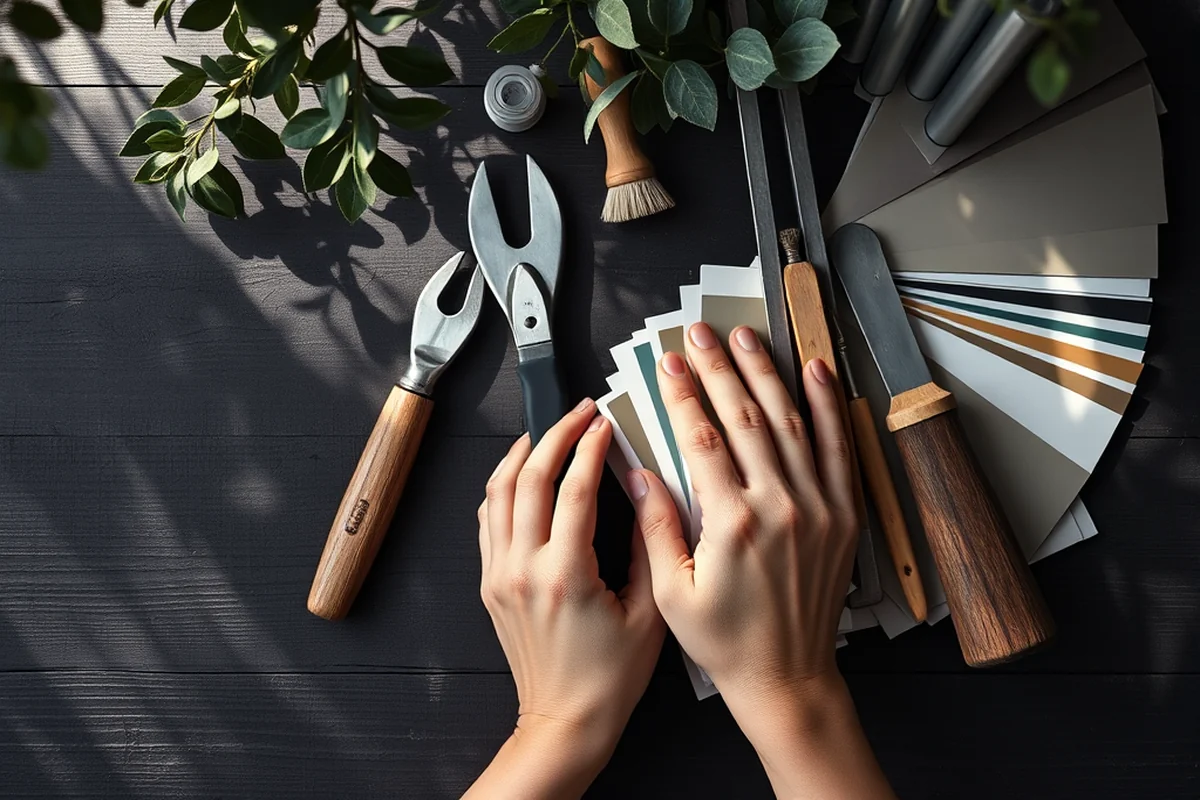
I always start by applying a thin coat of paint with a foam brush, making sure to work in small sections and avoid over-brushing. This helps prevent brush marks and ensures even coverage. I find that foam brushes are great for corners and edges, while a roller is better for larger flat surfaces.
After applying the first coat, I let it dry completely before applying a second coat. This is important because applying a second coat too soon can cause the paint to bubble or wrinkle. I always wait at least 2-4 hours between coats, depending on the type of paint I’m using.
For a truly professional finish, I always apply a clear top coat after the paint has dried completely. This protects the paint from scratches, stains, and moisture. I’ve used products like Minwax Polycrylic or General Finishes Top Coat, and both have worked well for different types of furniture.
Related: What the car coloring pages
Choosing the Right Finish for Your Furniture
For high-traffic areas like tables and chairs, a semi-gloss or satin finish is ideal because it’s more durable and easier to clean. I painted a dining table in a semi-gloss white, and it still looks brand new after two years of use.
For decorative pieces like side tables or dressers, a matte or flat finish can give a more elegant and modern look. I painted a vanity in a matte black, and it became the centerpiece of the room without being too flashy.
In a bathroom or kitchen, a semi-gloss finish is also a good choice because it resists water and moisture better than other finishes. I painted a kitchen cabinet in a semi-gloss blue, and it has held up well against splashes and spills.
Related: Best furniture flipping painting furniture color
Tips for a Long-Lasting Paint Job
I always make sure to apply at least two to three coats of paint, depending on the color and surface. Lighter colors may require more coats to cover the surface evenly, while darker colors can sometimes be achieved with just one or two coats.
I also always use a high-quality top coat to protect the paint from scratches, stains, and fading. I’ve found that products like Minwax Polycrylic are excellent for this purpose and work well on most types of furniture.
Finally, I always avoid using the furniture for a few days after painting to allow the paint and top coat to fully cure. This helps prevent any smudges, fingerprints, or damage to the finish.
A little patience now means a beautiful finish for years to come.
Related: Furniture flipping painting furniture color on a budget
Inspiration and Ideas for Your Next Project
For a modern look, I recommend using a bold color like emerald green or deep navy on a coffee table or side table. These colors make a statement and add a pop of color to any room.[3]
If you prefer a more neutral palette, soft grays, warm beiges, or light pastels can be a great choice for furniture. These colors are versatile and can complement a wide range of decor styles.
For a more rustic or vintage look, I’ve used chalk paint in shades like sage green or soft blue on old wooden furniture. These colors give the furniture a fresh, updated look while maintaining its character.
💰 Budget Build
A no-frills approach using affordable paint and minimal tools for a quick, cost-effective update.
⏰ Weekend Version
A fast-paced project that can be completed in one weekend with a focus on speed and efficiency.
✨ Upgraded Finish
A more detailed approach that includes high-quality materials and a professional finish for a show-stopping result.
🏠 Small-Space Adaptation
Tailored for small spaces with compact furniture and colors that make rooms feel larger and more open.
🚪 Rental-Safe Option
An easy-to-remove paint job that won’t damage rental property and can be undone without leaving a mark.
| The mistake | Why it happens | The fix |
|---|---|---|
| Skipping the primer step | Without a primer, the paint may not adhere properly, leading to peeling or an uneven finish. | Always apply a primer before painting, especially on previously painted or stained surfaces. |
| Using the wrong type of paint for particle board | Using the wrong paint can cause the finish to peel or chip over time, especially on porous surfaces like particle board. | Always use a primer and a water-based latex paint on particle board for the best results. |
| Applying paint too quickly | Applying paint too quickly can cause brush marks or an uneven finish. | Take your time and apply the paint in small sections, working in a consistent direction for a smooth finish. |
| Not allowing the paint to dry completely | Using the furniture before the paint has dried can cause smudges, fingerprints, or damage to the finish. | Always wait at least 2-4 hours between coats and avoid using the furniture for a few days after painting. |
Furniture Flipping & Painting Furniture Color Guide
Common Questions
What type of paint should I use on particle board furniture?
How many coats of paint should I apply?
Can I paint over an existing painted surface?
How long does it take for the paint to dry?
References
- Maggie McGaugh: Marketing Education Inspires Mega Influencer (andersonuniversity.edu)
- Maggie Watson – [art]seen - Arts at Michigan (artsatmichigan.umich.edu)
- Seeing green: Billie Asmus '15, the Repaint Lady | Bethel University (bethel.edu)
- Using the 4-H Clover Correctly - Brookings County (brookingscountysd.gov)
Cite this guide
Flipper Lane (2026). Furniture Flipping & Painting Furniture Color Guide. https://flipperlane.com/furniture-flipping-painting-furniture-color-guide/
Feel free to cite or share this guide.
Price your next flip
Free Furniture Flip Profit Calculator. No sign-up, nothing to install; it runs in your browser.