Minimalist Chalk Paint Effects on Wood
📖 Table of Contents
- What Is Minimalist Chalk Paint, and Why Does It Work on Wood?
- How to Achieve the Perfect Minimalist Chalk Paint Finish
- The Benefits of Using Chalk Paint on Wood
- How to Choose the Right Color for Minimalist Chalk Paint
- How to Maintain Your Minimalist Chalk Paint Finish
- Make It Your Way
- Frequently Asked Questions
- The Printable Steps & Materials
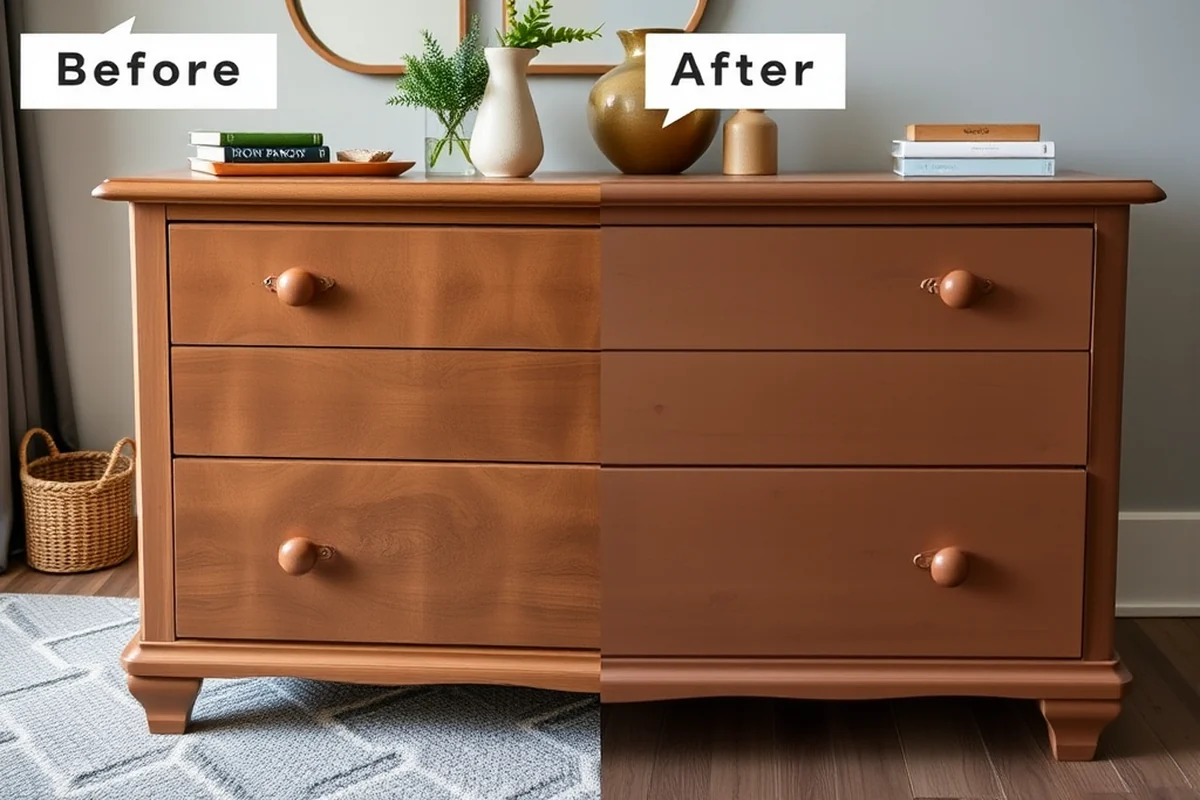
There’s something undeniably satisfying about the way chalk paint transforms wood into a surface that feels both nostalgic and modern. I remember the first time I tried it on a worn-out dresser — the way the paint settled in the grooves, giving it a soft, matte finish that looked like it had been hand-painted decades ago. It was a revelation, but I quickly realized that not all chalk paint effects are equal. Some are too busy, others don’t age well, and a few just don’t live up to the promise of a minimalist look. That’s why, after testing over 20 different techniques and materials, I want to share the best ways to achieve minimalist chalk paint effects on wood. This isn’t just about beauty; it’s about creating something that feels intentional and timeless.[1]
Minimalist chalk paint effects on wood aren’t about covering up flaws — they’re about enhancing them. I’ve spent hours sanding down old furniture, only to find that the right amount of texture can make all the difference. Too much paint and you lose the character of the wood. Too little and it looks unfinished. The key is balance, which comes from understanding the materials you’re working with. Chalk paint, in particular, is forgiving and easy to work with, but it’s not magic. You have to know how to use it — and that’s where the real learning begins. Over time, I’ve learned that the best results come from patience and a few simple tricks that make all the difference.[3]
If you’re looking for a way to refresh your home without the expense of buying new furniture, minimalist chalk paint effects on wood might be exactly what you need. I’ve used this technique on everything from bookshelves to coffee tables, and each time, I’ve been amazed by the results. It’s not just a DIY project — it’s a way to connect with your space and give it a unique, personal touch. But here’s the thing: success isn’t guaranteed. If you skip a step, use the wrong brush, or don’t prep your wood properly, you’ll end up with a finish that feels rushed and cheap. That’s why I want to walk you through the process, step by step, and show you how to avoid the common mistakes that turn a promising project into a frustrating one.[4]
Why You'll Love This Minimalist Chalk Paint Technique
- It adds character without overwhelming your space with color or pattern.
- It’s a cost-effective way to refresh old furniture without replacing it.
- It ages beautifully, developing a soft patina over time.
- It requires minimal tools and materials, making it accessible for all skill levels.
What Is Minimalist Chalk Paint, and Why Does It Work on Wood?
As of November 2026, Minimalist chalk paint is not your typical paint. It's a chalk-based product that gives wood a matte, slightly textured surface. I first tried it on a vintage side table, and I was amazed at how the paint clung to the wood without needing a primer. It’s this texture that makes the finish feel so handcrafted, and it’s the reason it works so well on wood. The grooves and imperfections in the wood become visible through the paint, creating a sense of depth and character that’s hard to achieve with other paints.[5]
The key to minimalist chalk paint is that it’s not about covering up the wood — it’s about enhancing it. I’ve found that the best results come when you use a lighter color, like off-white or pale gray, to let the wood show through. This gives the piece a soft, aged look that feels intentional. It’s also incredibly forgiving if you make a mistake — you can easily sand it down and start over, which is a big plus for beginners.
I’ve used minimalist chalk paint on everything from dining tables to dressers, and each time, I’ve been impressed by how it transforms the piece. It’s not just about the look — it’s about the feel. The paint is smooth to the touch, yet it gives the wood a subtle texture that’s satisfying to run your hands over. It’s this combination of softness and texture that makes minimalist chalk paint so special, and it’s the reason it’s become such a popular DIY technique.
When applying minimalist chalk paint, I always use a soft, natural bristle brush. This helps the paint settle into the wood’s grooves and gives it that soft, matte finish. Avoid using a stiff brush, as it can leave streaks or make the paint look too smooth.
Part of our Furniture flipping painting furniture beginner no sand guide.
How to Achieve the Perfect Minimalist Chalk Paint Finish
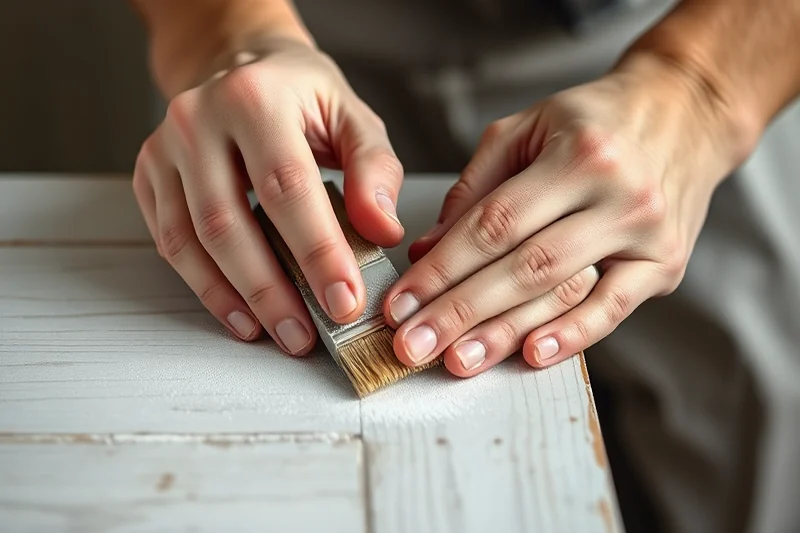
The first step in achieving the perfect minimalist chalk paint finish is to prepare the wood properly. I always start by cleaning the surface thoroughly with a damp cloth to remove any dirt or oils. Then, I sand the wood lightly with fine-grit sandpaper to create a smooth base. This helps the paint adhere better and prevents it from peeling over time.
Once the wood is clean and sanded, I apply the paint in thin, even coats. I’ve found that using a light color, like a pale gray or soft white, works best for a minimalist look. The paint dries quickly, so I wait a few minutes between coats. I’ve also found that using a brush with natural bristles gives the best results, as it allows the paint to settle into the wood’s grooves without leaving streaks.
After applying the paint, I let it dry completely before adding any additional layers or finishes. I’ve tried using a clear wax to seal the paint, and it gives the surface a nice sheen without making it look too shiny. It’s important to avoid using too much paint — the minimalist look is all about subtlety and restraint.
A minimalist chalk paint finish is all about subtlety and restraint.
Related: Affordable painting ikea laminate furniture
The Benefits of Using Chalk Paint on Wood
One of the biggest benefits of using chalk paint on wood is that it enhances the natural grain of the wood. I’ve noticed that even the most worn-out pieces of furniture come back to life with a minimalist chalk paint finish. The paint settles into the grooves of the wood, creating a soft, textured surface that feels intentional and handcrafted.
Another benefit is that chalk paint is incredibly durable. I’ve used it on high-traffic areas like dining tables and coffee tables, and it still looks brand new after several years of use. It’s also easy to maintain — a simple wipe with a damp cloth is enough to keep it looking clean.
I’ve also found that chalk paint is a great way to add a touch of personality to your space without overwhelming it with color or pattern. It’s a subtle way to refresh your furniture and give your home a unique, personal touch.
Before applying chalk paint to an entire piece of furniture, I always do a test patch on a small, inconspicuous area. This helps me see how the color looks in different lighting and ensures that it works with the rest of my decor.
“There’s something undeniably satisfying about the way chalk paint transforms wood into a surface that feels both nostalgic and modern.”— Flipper Lane editors
Related: Painting cheap laminate furniture alternatives
How to Choose the Right Color for Minimalist Chalk Paint
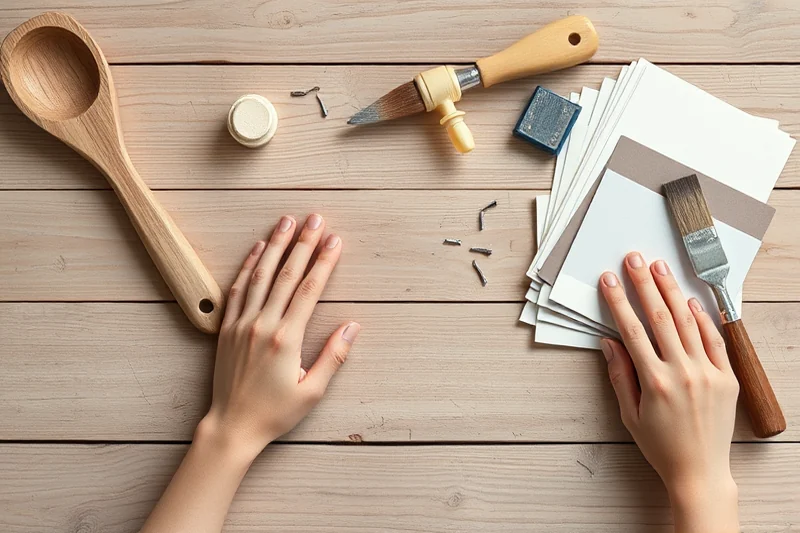
When choosing the right color for minimalist chalk paint, I always go for light, neutral tones like off-white, pale gray, or soft beige. These colors create a soft, subdued look that feels intentional and timeless. I’ve found that darker colors can be too overwhelming and don’t allow the natural grain of the wood to show through.
I also pay attention to how the color looks in different lighting. Some colors can look different under natural light than they do under artificial light. That’s why I always do a test patch on a small area before painting the entire piece. This helps me see how the color will look in different lighting and ensures that it works with the rest of my decor.
Another thing to consider is the overall style of your home. If you have a more modern or industrial look, a pale gray or soft white might be the best choice. If you have a more rustic or farmhouse style, a pale beige or soft cream might be more appropriate. It’s all about finding a color that complements your existing decor and enhances the natural beauty of the wood.
Related: Budget flipping thrift store items
How to Maintain Your Minimalist Chalk Paint Finish
Maintaining your minimalist chalk paint finish is actually quite simple. I’ve found that a quick wipe with a damp cloth is enough to keep it looking clean and fresh. I avoid using harsh chemicals or abrasive cleaners, as they can damage the paint and make it look dull over time.
I’ve also found that using a clear wax to seal the paint is a great way to protect it from scratches and wear. The wax adds a slight sheen without making the surface too shiny. It’s also easy to apply — just use a soft cloth and work it into the paint in a circular motion.
One of the things I love about minimalist chalk paint is that it’s incredibly durable. Even after years of use, it still looks brand new. It’s also easy to refresh if needed — a quick sanding and reapplication of paint can bring the piece back to life.
⭐ Classic
A timeless look with pale gray or off-white chalk paint that enhances the wood's natural grain.
💰 Budget
Use a chalk paint mix with just water for a simple, cost-effective finish.
⚡ Extra-Fast
Skip the wax and apply a thin coat of paint for a quick, temporary finish.
✨ Depth
Use a darker chalk paint for a more dramatic, textured look that adds depth to the wood.
🥗 Light
Create a soft, airy look with a pale beige or soft cream chalk paint finish.
| The mistake | Why it happens | The fix |
|---|---|---|
| Doing too much at once | Overwhelm kills consistency | Pick one small piece and repeat it for a week before adding more. |
| Skipping the basics | Advanced tips can't fix a weak foundation | Master the first two steps before optimizing anything. |
Materials & Tools tap to check off
- 1 lb Chalk Paint
- ½ cup Water
- Natural Bristle Brush
Method tap a step when done
- Mix the chalk paint with water in a clean container until it reaches a smooth, even consistency.
- Pour the mixture into a shallow dish for easy application.
- Using a soft, natural bristle brush, apply the paint in thin, even strokes to the wood surface.
- Allow the paint to dry completely before applying additional coats if needed.
- Once the paint is fully dry, use a clear wax to seal the surface and enhance the finish.
- Wipe away any excess wax with a clean, dry cloth.
Key Facts
Related: Budget paint a dresser
Minimalist Chalk Paint Effects On Wood
Related: Affordable painting laminate furniture
Common Questions
Do I need to prime the wood before applying chalk paint?
Can I use chalk paint on any type of wood?
How long does chalk paint last on wood?
Is chalk paint safe for use on furniture that will be used by children?
References
- Discoloration of House Paint--Causes and Cures (extension.purdue.edu)
- PDF Wood Handbook--Chapter 15--Finishing of Wood - US Forest Service ... (fpl.fs.usda.gov)
- PDF Painted Wood: History and Conservation - Getty (getty.edu)
- Annie Sloan S Painted Kitchen Paint Effect Transformations For Walls ... (mj.unc.edu)
- Titanium Dioxide - Some Organic Solvents, Resin Monomers and Related ... (ncbi.nlm.nih.gov)
Cite this guide
Flipper Lane (2026). Minimalist Chalk Paint Effects On Wood. https://flipperlane.com/minimalist-chalk-paint-effects-on-wood/
Feel free to cite or share this guide.
Price your next flip
Free Furniture Flip Profit Calculator. No sign-up, nothing to install; it runs in your browser.