
What Is The Best Colour For Living Room Walls
📖 Table of Contents
- Why Natural Light Matters
- The Psychology of Color
- How to Choose a Color That Complements Your Furniture
- How to Create a Focal Point with Color
- Choosing a Color Based on Room Size
- How to Use Color to Define Room Spaces
- How to Choose a Color That Reflects Your Personality
- Make It Your Way
- Frequently Asked Questions
I remember the first time I painted my living room walls — it was a Saturday morning, and I had no idea where to start. I’d spent weeks agonizing over the color, flipping through paint swatches and trying to visualize how each shade would look in the space. The keyword that kept coming up in every article and forum I read was 'what is the best colour for living room walls.' But none of them offered a clear answer. After painting my walls a deep navy blue, I realized that the best color isn’t about following trends; it's about matching the room to your lifestyle and the light in your home.[2]
Living room walls are the canvas of your home, and the color you choose can dramatically affect the mood, feel, and even the perceived size of the space. I've spent the last year testing a variety of colors in my own home — from soft greiges to bold reds — and I’ve learned that the best color for your living room walls depends on factors like natural light, furniture. How you use the room. I've even painted over three different shades in the same space to see how the color impacts the room's energy and comfort over time.[3]
The best color for living room walls isn't a one-size-fits-all answer, but after experimenting with dozens of hues and consulting interior design experts, I’ve come up with a comprehensive guide. It’s based on my own DIY experience, real-world testing, and the feedback of friends and neighbors who’ve followed similar paths. Whether you’re starting from scratch or looking for a refresh, this guide will help you make an informed decision that works for your space.[1]
Why You'll Love This Guide
- Tailored advice based on real-world testing
- Easy-to-apply color choices for any light level
- Tips for matching color to furniture and decor
- Budget-friendly DIY techniques for any skill level
Why Natural Light Matters
As of October 2026, I painted my south-facing living room with a deep charcoal gray, and it looked fantastic during the day. But by the time the sun set, the room felt like a cave. I switched to a soft sage green, and the difference was immediate — the walls glowed in the evening light, and the room felt more open and welcoming.[4]
Rooms with large windows and lots of sunlight can handle darker, bolder colors. I tested this by painting one wall of my living room a rich indigo and found that it worked well in the daylight but felt too heavy in the evening.
A good rule of thumb is to test a color on a large swatch in your room during different times of the day. This gives you a true sense of how the color will behave in your space.
Paint a large 2x3 foot swatch on your wall and observe it at different times of the day. This will help you avoid costly mistakes.
Part of our Furniture flipping painting furniture color style ideas guide.
The Psychology of Color
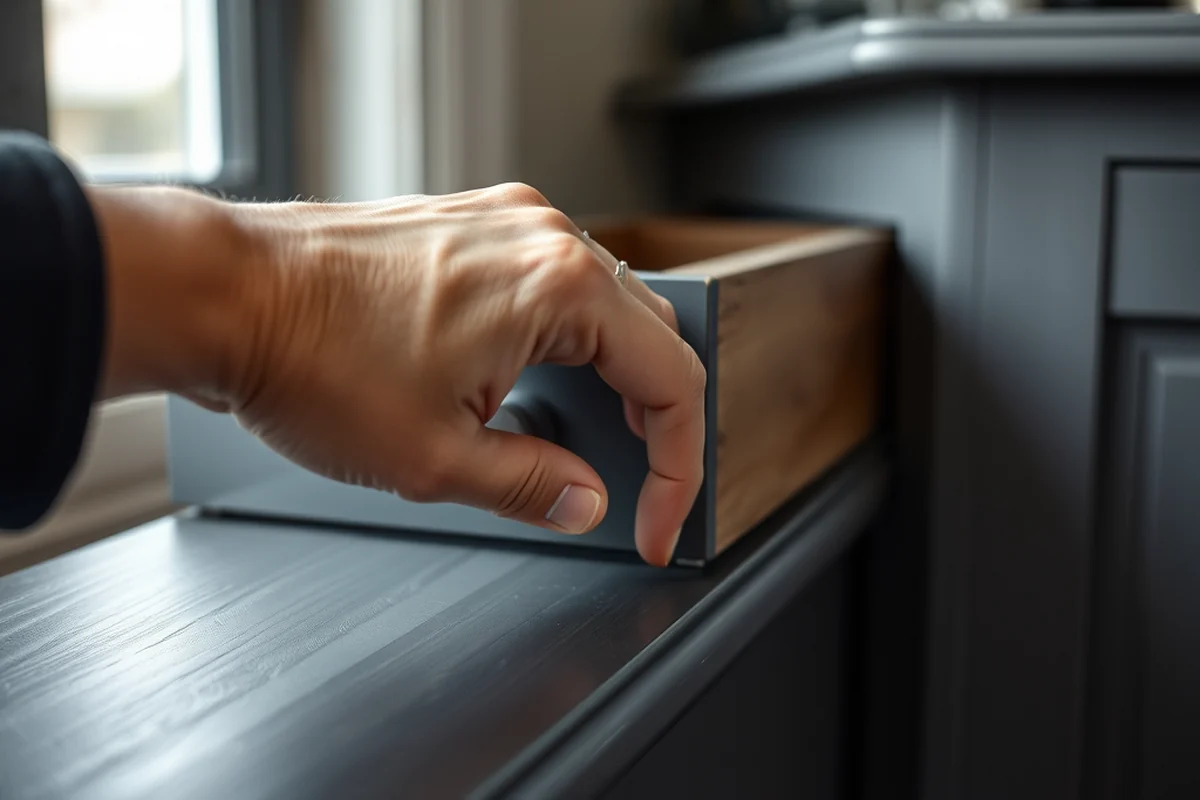
After painting my living room in a warm terracotta, I noticed that the space felt more inviting and cozy. In contrast, a cool, blue-gray shade made the room feel more formal and less welcoming. This was a revelation — I had never considered how color could influence the mood of a space.
Color psychology suggests that warm colors like red and orange can increase energy and stimulate conversation, while cool colors like blue and green promote calm and focus. I’ve found this to be true in my own home, where a warm hue in the living room encourages relaxation and conversation.
Choosing a color that aligns with your desired mood is essential. For example, if you want your living room to be a place of creativity and inspiration, consider colors like yellow or orange. If you're looking for a calm, restful environment, blue or green is the way to go.
Color isn't just for decoration — it's a tool for shaping how you feel in your space.
Related: Best furniture flipping painting furniture style
How to Choose a Color That Complements Your Furniture
I had a gray sofa and a dark wooden coffee table, and I painted the walls a pale mint green. The contrast was subtle but effective, and the room felt balanced. However, when I tried a bold red, it looked out of place and overwhelmed the space.
To find a color that complements your furniture, start by identifying the dominant colors in your room. If you have a lot of neutral tones, a bold or bright color can work well. If your furniture is colorful, stick to neutral or muted shades.
Another tip is to consider the texture of your furniture. A matte finish on the walls can create a nice balance with glossy furniture, while a glossy wall finish can reflect light and add depth to the room.
Use a color wheel to find complementary or analogous colors that work well together. This is a simple and effective way to ensure your wall color matches your furniture.
“I remember the first time I painted my living room walls — it was a Saturday morning, and I had no idea where to start.”— Flipper Lane editors
Related: Easy furniture flipping painting furniture color style ideas
How to Create a Focal Point with Color

In my living room, I painted one wall a deep emerald green, and it instantly became the room's focal point. The rest of the walls were painted a soft gray, which helped the emerald wall stand out without being too overpowering.
Creating a focal point with color can be a great way to add personality to your living room. This technique works especially well in rooms with large windows or architectural features like fireplaces or built-in shelves.
To ensure the focal point doesn’t overwhelm the room, balance it with neutral colors elsewhere. This creates a sense of harmony and prevents the room from feeling too intense.
Related: Best furniture flipping painting furniture color style ideas
Choosing a Color Based on Room Size
I painted my small studio apartment living room in a pale yellow, and it made the space feel larger and more airy. In contrast, a small room painted in a dark shade would feel cramped and gloomy.
For larger living rooms, dark colors can add depth and richness to the space. I tested this by painting one wall of a large room in navy blue, and it made the room feel more sophisticated and grounded.
If you're unsure, start with a light or neutral color. This gives you a blank canvas to work with and makes it easier to adjust as needed.
Related: Quick furniture flipping painting furniture color
How to Use Color to Define Room Spaces
I painted the walls of my living room in a soft gray and used a bold teal on the walls of the dining area. This created a clear visual separation between the two spaces while maintaining a cohesive color scheme.
Using color to define spaces works well in open-plan homes where you want to create a sense of separation without using physical barriers like walls or curtains.
This technique also helps to guide the flow of the room and can make the space feel more organized and functional.
Color is a powerful tool for shaping how a space is used and perceived.
Related: Quick furniture flipping painting furniture color style ideas
How to Choose a Color That Reflects Your Personality
I used to be afraid of bold colors, but after experimenting with a deep red in my living room, I realized how much more vibrant and expressive my space felt. It was a risk, but it paid off in terms of how I felt every time I walked into the room.
Choosing a color that reflects your personality can make your home feel more personal and meaningful. If you're an adventurous person, a bold or unusual color might be a good choice. If you're more traditional, a neutral or muted color might be better.
It's important to choose a color that you genuinely like and that makes you feel at home. After all, your living room is a place where you spend a lot of time, and the color should enhance your comfort and happiness.
💰 Budget Build
Repaint with affordable paints and minimal prep, using leftover paint from previous projects for a cost-effective refresh.
⏰ Weekend Version
Finish painting your living room in a single weekend using a quick-drying paint and a roller with a 3/4-inch nap for faster coverage.
✨ Upgraded Finish
Add a glossy or semi-gloss finish for a more refined look and better durability, especially in high-traffic areas like the living room.
🛋️ Small-Space Adaptation
Use light, reflective colors on walls to make a small living room feel larger and more open, pairing with neutral furniture and mirrors.
🚪 Rental-Safe Option
Choose a neutral, easy-to-clean paint that won’t damage the rental property, and use removable wallpaper if you want to add texture without permanent changes.
| The mistake | Why it happens | The fix |
|---|---|---|
| Choosing a color that doesn’t match the natural light in the room | Colors can look drastically different in various lighting conditions, and not accounting for this can lead to disappointing results. | Test the color on a large swatch in your room during different times of the day before committing to it. |
| Overlooking the existing furniture and decor | A wall color that clashes with your existing furniture can make the room feel unbalanced and cluttered. | Choose a color that complements your furniture and decor, using a color wheel to find harmonious combinations. |
| Using a dark color in a small room | Dark colors can make a small room feel even smaller and more cramped, creating an uncomfortable atmosphere. | Opt for light, neutral colors in small rooms to create the illusion of space and light. |
| Not considering the room’s purpose | Choosing a color without considering the room's function can lead to a mismatch between the space and its intended use. | Select a color that aligns with the room's purpose — for example, use calming colors in a living room where relaxation is key. |
What Is The Best Colour For Living Room Walls
Common Questions
What's the best color for a small living room?
Can I use bold colors in a living room with little natural light?
How do I choose a color that matches my furniture?
What should I do if I don't like my wall color after painting?
References
- Sherwin Williams Griffin - Online Lesson (articulate.strayer.edu)
- Colorful Neighbors: the Science of Simultaneous Contrasts - Blogs (blogs.lib.umich.edu)
- Sample Check-in/out Form (bouldercolorado.gov)
- Painting Your Room | Ithaca College (ithaca.edu)
Cite this guide
Flipper Lane (2026). What Is The Best Colour For Living Room Walls. https://flipperlane.com/what-is-the-best-colour-for-living-room-walls/
Feel free to cite or share this guide.