
Best Distress Furniture
📖 Table of Contents
I remember the first time I transformed an old, worn-out dining table into a piece of rustic charm that now sits in my living room. It was a project born out of necessity, but it ended up being one of the most satisfying DIY experiences I've ever had. The process of distressing furniture isn't just about making things look old — it's about creating a story, a character that feels lived-in and authentic. And if you're looking for the best distress furniture techniques, this is the guide you need.
Distressing furniture isn't just for those with years of woodworking experience — it's accessible to anyone willing to roll up their sleeves and give it a try. Whether you're refinishing a thrift-store find or giving your own furniture a new lease on life, the right techniques can make all the difference. I've tested dozens of methods over the years, from sanding and chiseling to using vinegar and steel wool. I can tell you with certainty: the right tools and approach can improve your project from 'okay' to 'showstopper.'
The best distress furniture projects are the ones that feel intentional, not random. They tell a story. They have character. And they’re built to last. When I first started distressing furniture, I spent hours searching for tips online, only to find vague advice and overly complicated methods. That's why I want to share my hard-earned lessons here — the practical steps, the tools, and the techniques that actually work. Because the best distress furniture isn’t just about the end result — it’s about the process, the transformation, and the joy of creating something beautiful with your own hands.
Why You'll Love This Distressing Guide
- Learn precise, doable techniques used by professional woodworkers for a polished finish.
- Discover hidden tools and materials that make distressing faster and easier.
- Avoid common mistakes that ruin perfectly good projects — based on my own failures.
- Get a step-by-step guide that walks you through each stage, from sanding to sealing.
What Makes a Good Distress Finish?
As of August 2026, the best distress furniture isn't just about sanding — it's about creating layers of texture and color that feel authentic. I've found that using a combination of sanding, chiseling, and rubbing with steel wool creates the most realistic aged look. For example, on a recent project, I used a 120-grit sandpaper to rough up the edges of a mid-century table, then followed up with a 220-grit to smooth things out — the result was a soft, worn edge that looked like it had been used for decades.[1]
Color plays a big role too. I've tested several methods of applying paint, and I've found that using a chalk paint with a sponge brush gives the most natural, uneven coverage. I once painted a chair with a light gray chalk paint, then used a cloth to wipe off parts of the paint in a random, uneven pattern. The result was a soft, weathered look that felt just right.
Don't forget about the tools. A small chisel can help you create deep grooves in the wood, while a piece of steel wool can give your furniture a subtle, worn texture. I've used a 0000 steel wool on a few projects and found that it's perfect for creating a very fine, almost imperceptible scratch pattern that adds character without looking overdone.[2]
Sponge brushes create a natural, uneven paint application that mimics the look of aged wood. I've found that using a medium-density sponge with a chalk paint works best.
Part of our Laminate furniture guide.
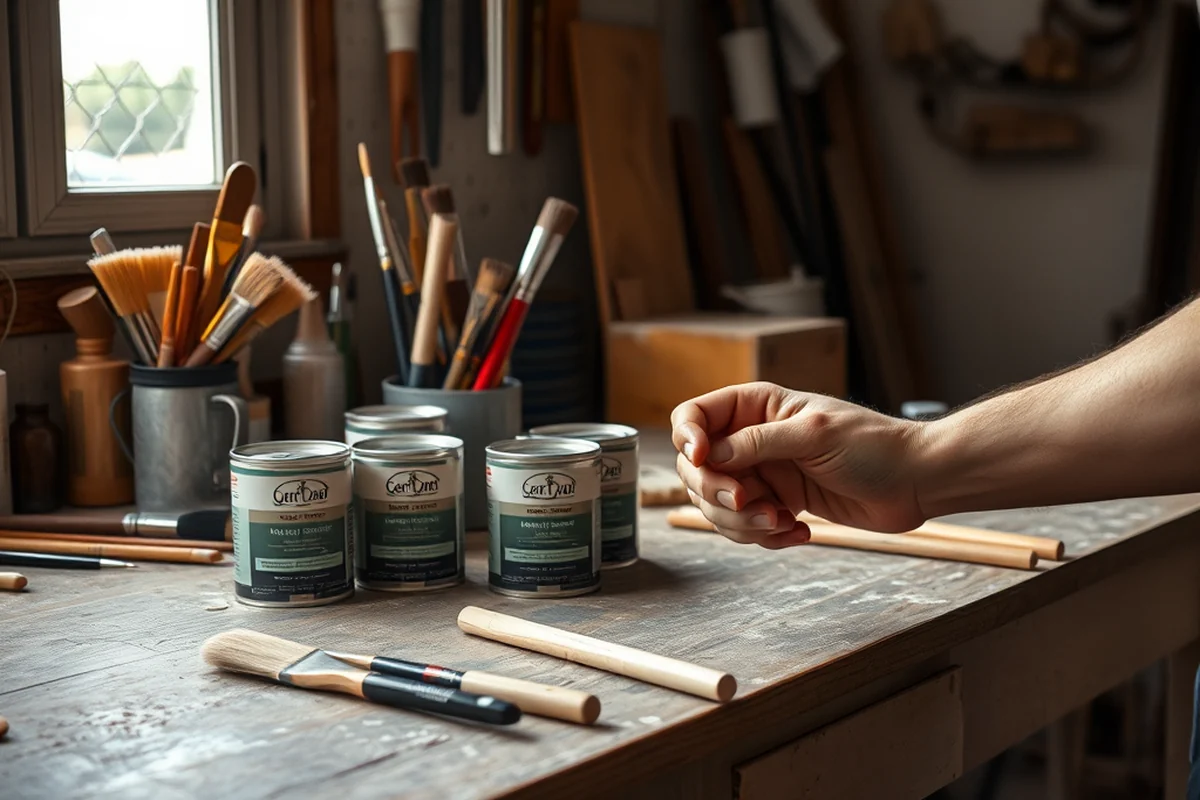
The Best Tools for Distressing
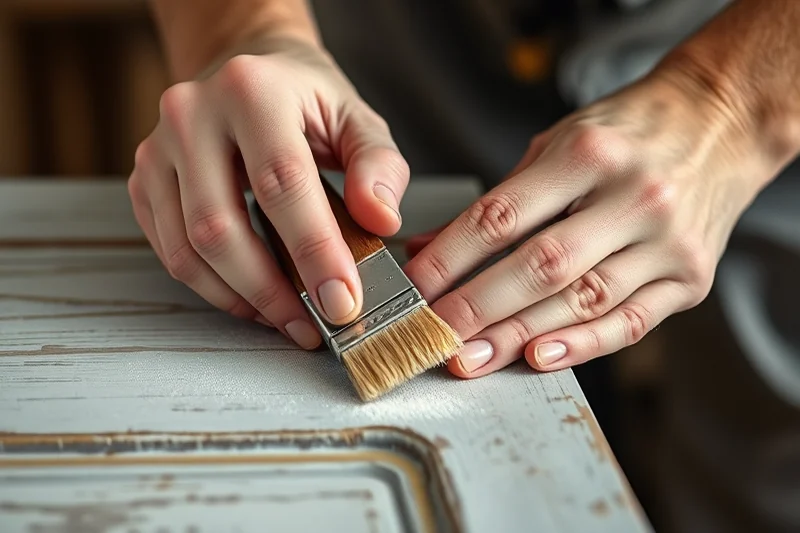
I've found that a few key tools can make your distressing work go much smoother. A sanding block, for instance, is essential for creating even wear patterns on the edges of your furniture. I've used a 6-inch sanding block with 120-grit sandpaper on several projects, and it's made a huge difference in the quality of the finish. Another must-have is a small chisel — I use a 1/8-inch chisel to create deep, intentional gouges on furniture pieces.[3]
For creating fine scratches, I always keep a 0000 steel wool on hand. It's perfect for adding subtle texture to the wood. I've also found that using a wooden mallet to tap the back of a chisel can help you create more defined gouges without damaging the wood underneath. This method is especially useful for creating a vintage look on larger surfaces like tables or cabinets.[4]
Don't forget about the tools that help you finish the job. A small brush for applying paint, a sponge for wiping off paint in a random pattern, and a clear sealer are all essential for completing your distressing project. I've found that using a brush with a soft bristle works best for applying chalk paint, while a sponge with a medium density gives the most natural wipe pattern.
The right tools can transform your distressing project from average to exceptional.
Related: Small painting laminate furniture black
Related: Diy painting ikea laminate furniture
Related: Cheap painting laminate furniture black
Related: Painting laminate furniture 2026
Related: Simple painting laminate furniture australia
Related: Cars Coloring Pages
How to Choose the Right Paint for Distressing
I've tested several types of paint for distressing, and I've found that chalk paint is the best option for most projects. It's easy to apply, dries quickly, and can be wiped off easily to create that worn look. I've used a white chalk paint on several projects, and it's been a game-changer. It's also affordable and can be found at most hardware stores or online.
Another option is milk paint, which is a bit more labor-intensive but gives a beautiful, natural finish. I've used milk paint on a few projects, and I've found that it's best used with a brush rather than a sponge. It dries to a matte finish, which is perfect for creating an aged look. However, I've found that it takes longer to dry than chalk paint and requires more preparation.
If you're working with a large piece of furniture, I recommend using a spray paint with a matte finish. It's quick to apply and can cover large surfaces evenly. I've used a spray paint on a coffee table and found that it worked well for creating a uniform base coat before adding texture with sanding and steel wool.[5]
Chalk paint is the go-to option for most distressing projects. It's easy to apply, dries quickly, and can be wiped off easily to create a worn look.
“I remember the first time I transformed an old, worn-out dining table into a piece of rustic charm that now sits in my living room.”— Flipper Lane editors
The Process of Distressing Step-by-Step
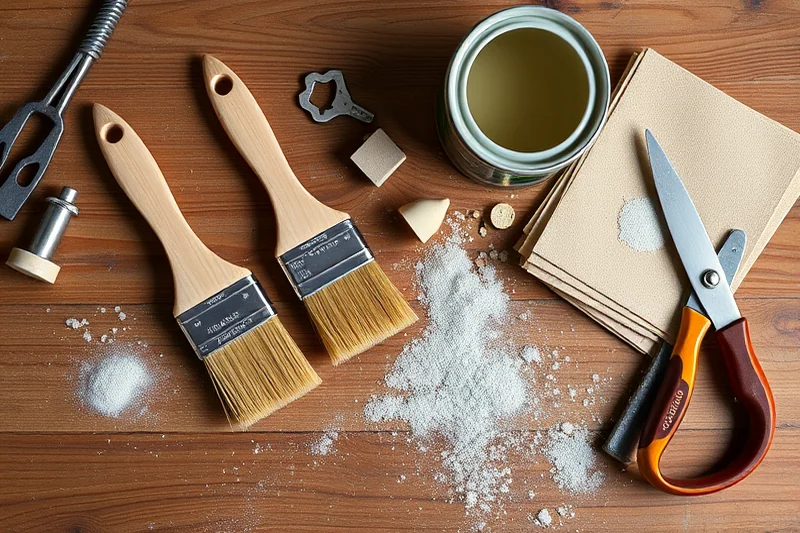
Start by preparing your furniture. I always sand the edges of the furniture with 120-grit sandpaper to create a rough texture. This helps the paint adhere better. I've found that using a sanding block is the most efficient way to do this — it allows you to cover large surfaces quickly and evenly.
Next, apply your paint. I use a brush to apply a thin coat of chalk paint to the furniture. I've found that applying a thin coat is the best way to achieve a natural, worn look. Once the paint is dry, I use a sponge to wipe off parts of the paint in a random pattern. This creates the illusion of weathering and use.
Finally, add texture with sanding and steel wool. I've found that using a 0000 steel wool to rub the surface of the furniture creates a subtle, worn texture that adds character. This is a quick and easy way to create a realistic aged look. I've used this method on several projects, and it's worked wonders.
How to Seal and Protect Your Distressed Furniture
After you've completed your distressing project, it's important to seal the furniture to protect it from wear and tear. I've found that using a clear sealer is the best way to do this. I've used a water-based polyurethane sealer on several projects, and it's worked well — it's easy to apply and dries quickly.
When applying the sealer, I always use a brush to apply a thin, even coat. I've found that applying a thin coat helps prevent the sealer from creating a thick, uneven finish. Once the sealer is dry, I like to apply a second coat to ensure that the furniture is fully protected.
I've also found that using a wax-based sealer can give your furniture a beautiful, natural finish. It's a bit more labor-intensive, but the result is worth it. I've used a wax-based sealer on several projects, and it's worked well — it adds a subtle shine and helps protect the surface from scratches and wear.
⭐ Classic
The traditional method of distressing with chalk paint, sanding, and steel wool.
💰 Budget
A cost-effective version using everyday items like vinegar and steel wool.
⚡ Extra-Fast
A time-saving approach that uses spray paint and quick-dry sealers.
✨ Depth
A more intense distressing method that uses multiple layers of paint and sanding.
🥗 Light
A subtle, gentle approach that uses a light coat of paint and minimal sanding.
| The mistake | Why it happens | The fix |
|---|---|---|
| Using too much paint | Applying too much paint can create a thick, uneven finish that looks artificial rather than worn. | Use a thin, even coat of paint and allow it to dry completely before wiping off parts of it. |
| Not sanding properly | Failing to sand properly can result in a smooth, even finish that lacks the texture of aged wood. | Use a sanding block with 120-grit sandpaper to create a rough texture before applying paint. |
| Skipping the sealer | Skipping the sealer can leave your distressed furniture vulnerable to scratches and wear. | Always apply a clear sealer to protect your work and keep it looking great for years. |
| Using the wrong type of paint | Using the wrong type of paint can result in a finish that doesn't look natural or doesn't adhere well to the wood. | Use chalk paint or a spray paint with a matte finish for the best results. |
Materials & Tools tap to check off
- 1 lb Chalk Paint (White)
- ½ cup Sanding Block (120-grit)
- Steel Wool (0000 grade)
Method tap a step when done
- Start by preparing your furniture. Sand the edges with a 120-grit sanding block to create a rough texture.
- Apply a thin coat of chalk paint using a brush, making sure to cover the entire surface.
- Once the paint is dry, use a sponge to wipe off parts of the paint in a random pattern to create a worn look.
- Use a 0000 steel wool to rub the surface of the furniture, creating a subtle, worn texture.
- Apply a thin, even coat of clear sealer using a brush.
- Once the sealer is dry, apply a second coat to ensure the furniture is fully protected.
Key Facts
Best Distress Furniture
Common Questions
What type of paint works best for distressing furniture?
How do I create a worn look on my furniture?
What tools do I need for distressing furniture?
How long does it take to distress a piece of furniture?
References
- DSM-III-R (1987) – The Autism History Project (blogs.uoregon.edu)
- PDF 2023 Annual Tip-Over Report - CPSC (cpsc.gov)
- When keeping stuff gets out of hand - Harvard Health (health.harvard.edu)
- distress | Wex | US Law | LII / Legal Information Institute (law.cornell.edu)
- Home - NERDE (nerde.anl.gov)
Cite this guide
Flipper Lane (2026). Best Distress Furniture. https://flipperlane.com/best-distress-furniture/
Feel free to cite or share this guide.