
Furniture Flipping Painting Furniture Color Style Ideas For Small Spaces
📖 Table of Contents
- Choosing the Right Colors for Small Spaces
- Painting Techniques That Work in Small Spaces
- Finishes That Complement Your Space
- How to Style Painted Furniture in Small Spaces
- How to Choose the Right Piece to Flip
- Maximizing the Illusion of Space with Paint
- How to Maintain Your Painted Furniture
- Creating Multifunctional Painted Furniture for Small Spaces
- Make It Your Way
- Frequently Asked Questions
I remember the first time I transformed an old, wobbly chair from my parents' garage into a sleek, modern accent piece for my apartment. It wasn’t just about saving money—it was about creating something that felt like mine, something that matched the tiny space I called home. Painting furniture is one of the most accessible DIY projects, especially for small spaces where every piece needs to work harder. With the right colors and styles, even a cramped apartment can feel like a curated design gallery.[3]
When I first started flipping furniture, I didn’t realize how much a single coat of paint could change the mood of a room. I painted a thrift-store coffee table a deep navy blue, and it became the focal point of my living room. It wasn’t just about aesthetics—it was about function, too. I used a matte finish so it wouldn’t reflect the light in my small apartment, which made the space feel more intimate and less overwhelming.[4]
Now, I see furniture flipping as a way to express personality without breaking the bank. Whether it's a bookshelf, a side table, or an old dresser, the right paint color and finish can turn a drab, outdated piece into a bold statement. For small spaces, it’s especially important to choose colors and styles that maximize the illusion of space, and this article will show you exactly how to do that.
Why You'll Love This DIY Furniture Painting Guide
- Maximize your small space with smart color choices that enhance the illusion of more room.
- Create a unique, personalized look without breaking the bank by repurposing existing furniture.
- Learn how to use paint finishes and styles that complement your space and decor preferences.
- Transform outdated or worn furniture into stylish, functional pieces that reflect your personality.
Choosing the Right Colors for Small Spaces
As of October 2026, when I painted my old bookshelf a soft, warm white, it made the entire room feel brighter and more open. I used a low-sheen paint to avoid reflecting light and creating glare, which is a common problem in small, windowless rooms.
Light colors are great for small spaces because they absorb less light, which helps the room feel more expansive. I've found that using a slightly warm white (like Benjamin Moore's 'Champlain White') adds a subtle warmth without overwhelming the space.
On the flip side, I've also used bold colors like deep emerald green on a side table to add visual interest and anchor a small living area. The key is to balance the color with neutral walls and flooring to maintain a sense of openness.
Before painting the entire piece, test the color on a small section or a sample board. This helps you see how the color looks in different lighting conditions throughout the day.
Part of our Furniture flipping painting furniture color style ideas guide.
Painting Techniques That Work in Small Spaces
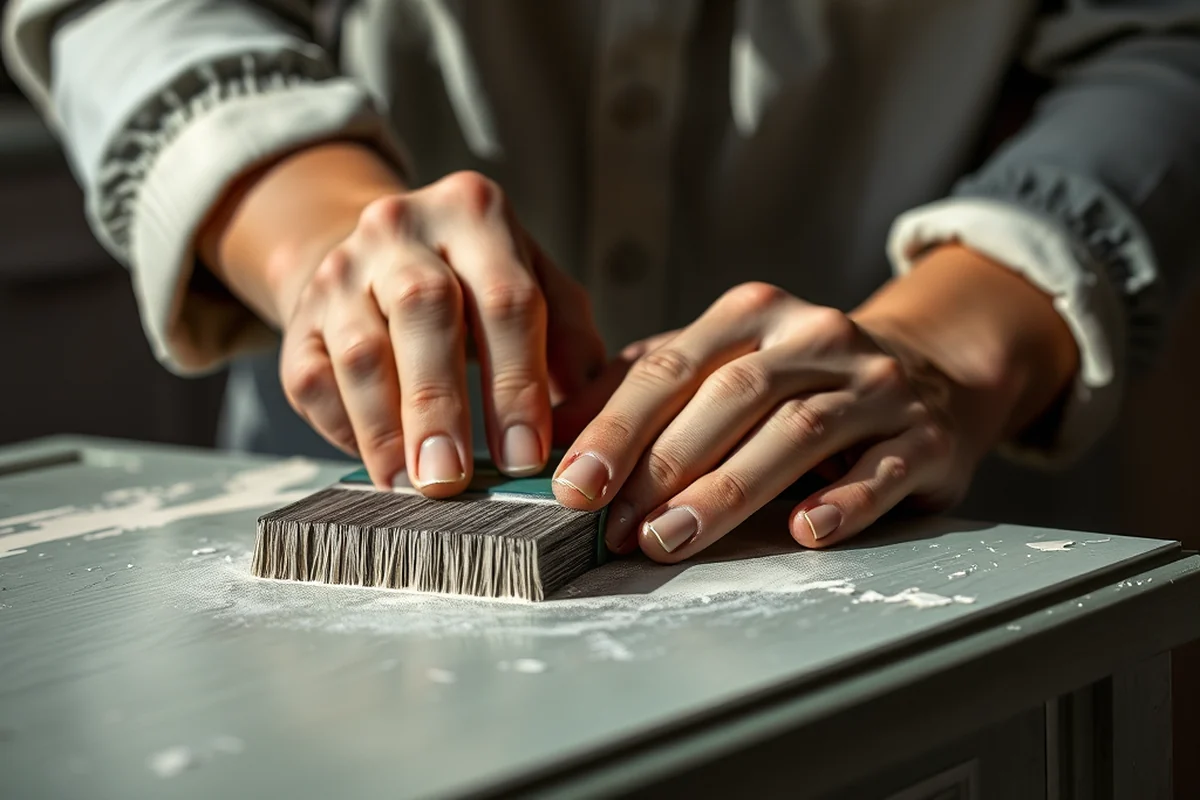
I always start by sanding the furniture to create a smooth surface for the paint. Using 220-grit sandpaper on the wood and wiping it down with a damp cloth removes any dust or debris before painting.[1]
For small pieces like side tables or chairs, I use a foam brush to apply the paint in even strokes. Foam brushes are great for avoiding brush marks and ensuring a smooth, even coat.
I usually apply two thin coats of paint instead of one thick coat. This method reduces the risk of drips and ensures a more even finish. Letting the first coat dry completely before applying the second is crucial for a professional look.
Thin layers, not thick ones, create the best results.
Related: Best furniture flipping painting furniture color style ideas
Finishes That Complement Your Space
I’ve used matte finishes on furniture in my apartment because they absorb light and create a more intimate feel. Matte finishes are also great for hiding imperfections in the wood.
For furniture that gets a lot of use, like a coffee table or a side table, I prefer a satin finish. It’s more durable than matte and less likely to show fingerprints or smudges.
I once used a high-gloss finish on a dining chair, and it looked amazing in the light. However, I realized that it showed every little scratch and smudge, which wasn’t ideal in a high-traffic area.
Apply a small amount of paint with the desired finish in your space to see how it looks under your lighting conditions. Different rooms can look very different under natural and artificial light.
“I remember the first time I transformed an old, wobbly chair from my parents' garage into a sleek, modern accent piece for my apartment.”— Flipper Lane editors
Related: Quick furniture flipping painting furniture color
How to Style Painted Furniture in Small Spaces
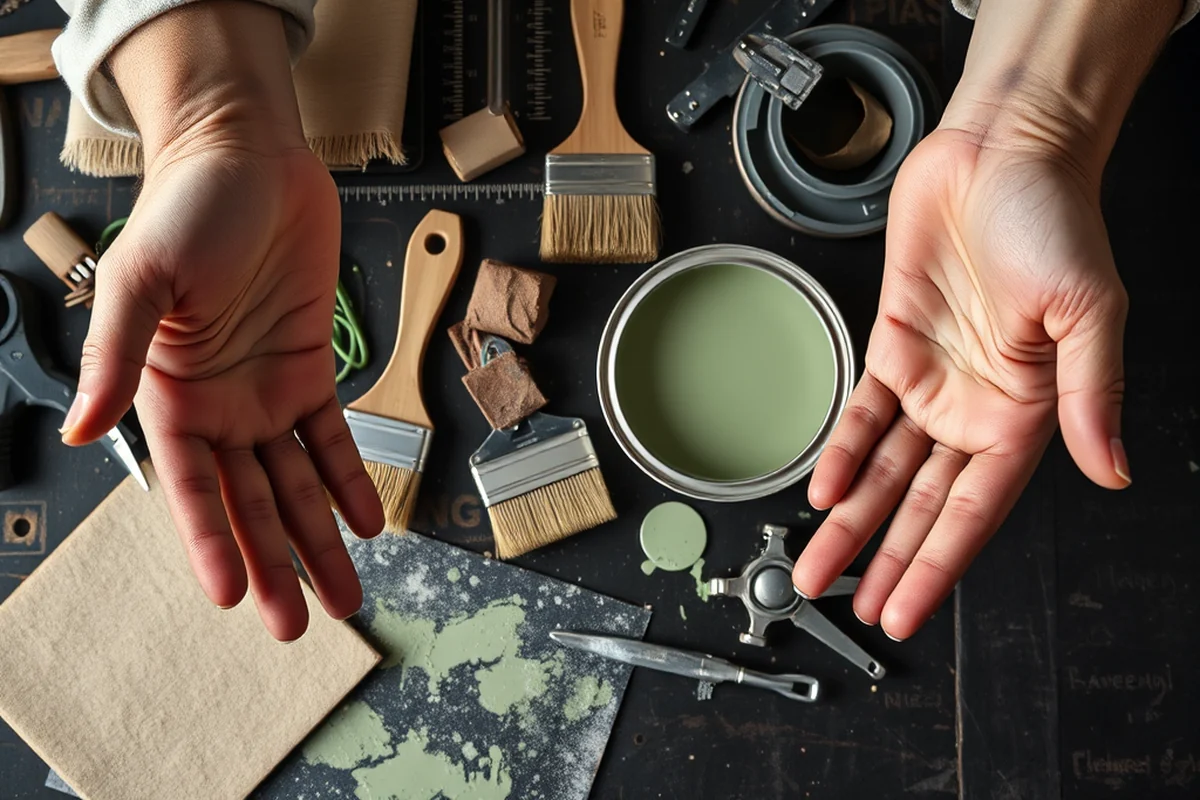
I like to style my painted furniture with minimal decor to avoid cluttering the space. A small side table with a single candle and a stack of books looks much more intentional than one with multiple decorative items.
Mirrors are a great addition to small spaces. I’ve used them on top of painted side tables to reflect light and create the illusion of more space. Mirrors also help to make the room feel more open and airy.
I avoid using heavy, bulky furniture in small spaces. Light, streamlined pieces with painted finishes add visual interest without taking up too much room.
Related: Quick furniture flipping painting furniture color style ideas
How to Choose the Right Piece to Flip
I look for pieces that are in good condition but have outdated finishes or styles. A mid-century chair with a chipped finish can be transformed with a fresh coat of paint and a new cushion.
I avoid pieces that are too worn out or have structural damage. It’s not worth spending time and money on a chair that’s already unstable or has a broken leg.
I also consider how the piece will fit into the space. A long, narrow dresser can work well in a small bedroom, but a bulky, oversized table might not be the best choice for a small living room.
Related: Furniture flipping painting furniture color style ideas for beginners
Maximizing the Illusion of Space with Paint
I’ve used light, neutral colors on furniture to help reflect light in a small room. Light-colored furniture paired with light walls and flooring creates a more open, airy feel.
I’ve also used vertical lines on painted furniture, like bookshelves, to draw the eye upward. This makes the room feel taller and more spacious.
I avoid using too many dark colors in small spaces. Even a small amount of dark furniture can make a room feel more cramped. I always balance dark pieces with light ones to keep the space from feeling too heavy.
Light colors and vertical lines can help a small room feel larger.
Related: Simple furniture flipping painting furniture color style ideas
How to Maintain Your Painted Furniture
I always use a clear sealant on painted furniture to protect the finish. A water-based polyurethane sealant is a great option because it’s easy to apply and doesn’t yellow over time.
I avoid using harsh cleaning products on painted furniture. Instead, I use a soft cloth and mild soap and water to clean any spills or smudges.
I also make sure to place furniture away from direct sunlight and heat sources. Prolonged exposure to heat and sunlight can cause the paint to fade or crack over time.
Creating Multifunctional Painted Furniture for Small Spaces
Another approach to multifunctional furniture is to paint a piece that can transform based on the time of day or the need of the moment. For example, I painted a tall bookshelf with a light gray color, and then added a few removable fabric panels on the sides. These panels can be swapped out for different patterns or colors, allowing the bookshelf to match different interior themes. The fabric panels cost around $15 each, and they took about 20 minutes to attach and remove.[2]
I also painted a small bench with a removable fabric seat cover. The bench is used as a footrest in the living room during the day and becomes a small seating area for guests in the evening. The fabric is easy to clean, and I can change it every few months to keep the look fresh. This kind of flexibility is especially valuable in a small space where every piece of furniture needs to serve multiple purposes.
The most important thing I learned was to focus on simplicity and avoid overcomplicating the design. A clean, streamlined look with a few smart additions can make a huge difference in a small space. Whether it’s a hidden compartment, a removable panel, or a multifunctional seat, the goal is to create a piece that works as hard as it looks.
💰 Budget Build
Repurpose an old piece with minimal paint and a few basic tools. Great for beginners on a tight budget.
⏰ Weekend Version
Complete a furniture flip in a single weekend with pre-purchased materials and a focus on speed.
✨ Upgraded Finish
Add a high-quality finish to your painted piece with a clear top coat and decorative trim for a polished look.
🏠 Small-Space Adaptation
Optimize your painted furniture for small spaces with smart layout and color choices that enhance the illusion of room.
🧳 Rental-Safe Option
Use removable paint or temporary finishes that won’t damage rental properties and are easy to take with you.
| The mistake | Why it happens | The fix |
|---|---|---|
| Skipping the primer step | Paint may not adhere properly to dark or glossy surfaces, leading to peeling or chipping over time. | Always apply a primer before painting, especially when painting over dark colors or glossy finishes. |
| Using the wrong brush type | Using a brush with too much bristle can create brush marks or streaks on the furniture. | Opt for a foam brush or a high-quality synthetic brush designed for smooth, even application. |
| Applying too much paint in one go | Thick coats of paint can lead to drips, uneven coverage, and a less professional finish. | Apply thin, even coats and allow each one to dry before applying the next. |
| Not testing the color in the space | Colors can look different under various lighting conditions, leading to an unexpected result. | Test the color on a small section of the furniture or a sample board before painting the entire piece. |
Furniture Flipping Painting Furniture Color Style Ideas For Small Spaces
Common Questions
What type of paint should I use for furniture flipping?
How do I prepare my furniture before painting?
Can I paint over a dark color with a lighter one?
How do I choose the right color for my small space?
References
- (DOC) A STUDY OF MULTIFUNCTIONAL SPACE - Academia.edu (academia.edu)
- Stunning Interior Design Home Parties: Ultimate Style ... (lsfellowship.missouri.edu)
- Immersion and Absorption | Archives of Asian Art (read.dukeupress.edu)
- CITY OF REDMOND DESIGN STANDARDS CHECKLIST (redmond.gov)
Cite this guide
Flipper Lane (2026). Furniture Flipping Painting Furniture Color Style Ideas For Small Spaces. https://flipperlane.com/furniture-flipping-painting-furniture-color-style-ideas-for-small-spaces/
Feel free to cite or share this guide.