Easy Furniture Flipping & Painting Furniture Mistakes
📖 Table of Contents
I still remember the first time I picked up a paintbrush to revamp an old chair from my parent's garage. It was a hand-me-down piece that had seen better days — the paint was peeling, the legs were wobbly, and the cushion was sagging. What started as an impulse decision became one of the most rewarding DIY projects I've ever done. By the time I was done, the chair looked brand new, and the transformation didn't cost me more than $40. That experience taught me the power of furniture flipping, and also the cost of skipping key steps that can lead to disaster.[1]
Furniture flipping isn't just about sprucing up old pieces; it's a smart way to update your home without breaking the bank. Whether you're a seasoned DIYer or someone who's never held a screwdriver before, this guide is designed for you. You’ll find tips on how to approach painting furniture the right way — and just as importantly, what to avoid. I've made plenty of mistakes myself, and I'm here to help you avoid them.
The goal of this article is to walk you through the entire process of furniture flipping, from assessing what you have to the final coat of paint. You’ll learn specific techniques that I’ve tested in my own projects, including how to sand without sanding too much, how to choose the right primer. How to avoid the common mistakes that can ruin a perfectly good piece of furniture. Let’s make your old furniture shine — without the headaches.
Why You'll Love This Furniture Flipping & Painting Guide
- Save hundreds of dollars by flipping your own furniture instead of buying new.
- Learn the exact steps to paint furniture like a pro, avoiding expensive mistakes.
- Turn outdated pieces into stylish, custom furniture with minimal tools and time.
- Enjoy the satisfaction of a DIY project that looks like it was done by a professional.
What to Expect When You Start Painting Furniture
As of November 2026, the first step in any furniture flipping project is assessing the piece you're working on. I once tried to paint a piece that was still damp from the humidity in my basement, and it ruined the paint job. Always make sure the furniture is completely dry and in a stable environment before you start.
Next, you’ll need to prepare the surface. This means cleaning the furniture thoroughly, sanding it down, and applying primer. I’ve found that using a fine-grit sandpaper, like 120-grit, works best for most pieces. It removes old paint without damaging the wood underneath.[2]
Once the surface is ready, you can start painting. I recommend using a high-quality primer first to ensure the paint adheres properly. I once skipped the primer on a kitchen table, and the paint chipped within a week. Always take the time to prime.[3]
Use a sanding block to maintain even pressure while sanding. Always sand in the direction of the wood grain to avoid scratches. After sanding, wipe the surface clean with a damp cloth to remove any dust before painting.
Part of our Furniture flipping painting furniture mistakes fixes guide.
Choosing the Right Paint and Tools
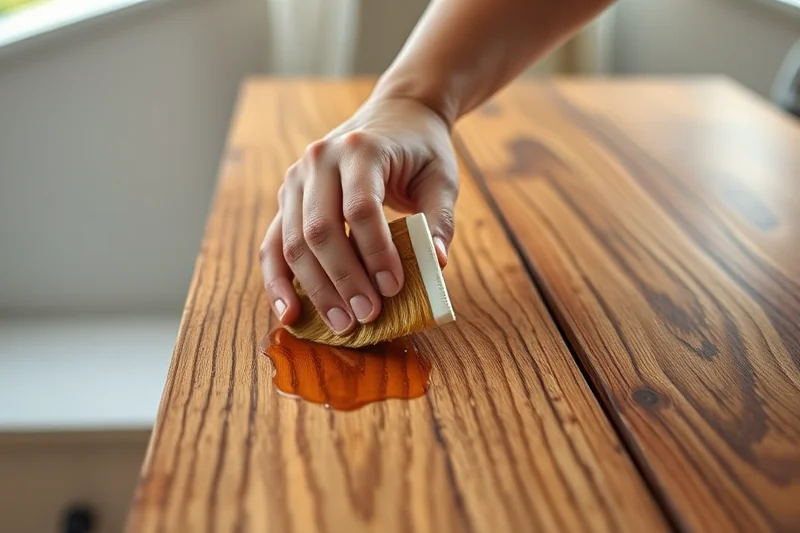
I’ve tried different types of paint, and I’ve found that chalk paint and latex paint are the best options for furniture flipping. Chalk paint is easy to apply and gives a matte finish, while latex paint is more durable and suitable for high-traffic areas. I once used a cheap acrylic paint on a dining chair, and it looked dull after just a few days.
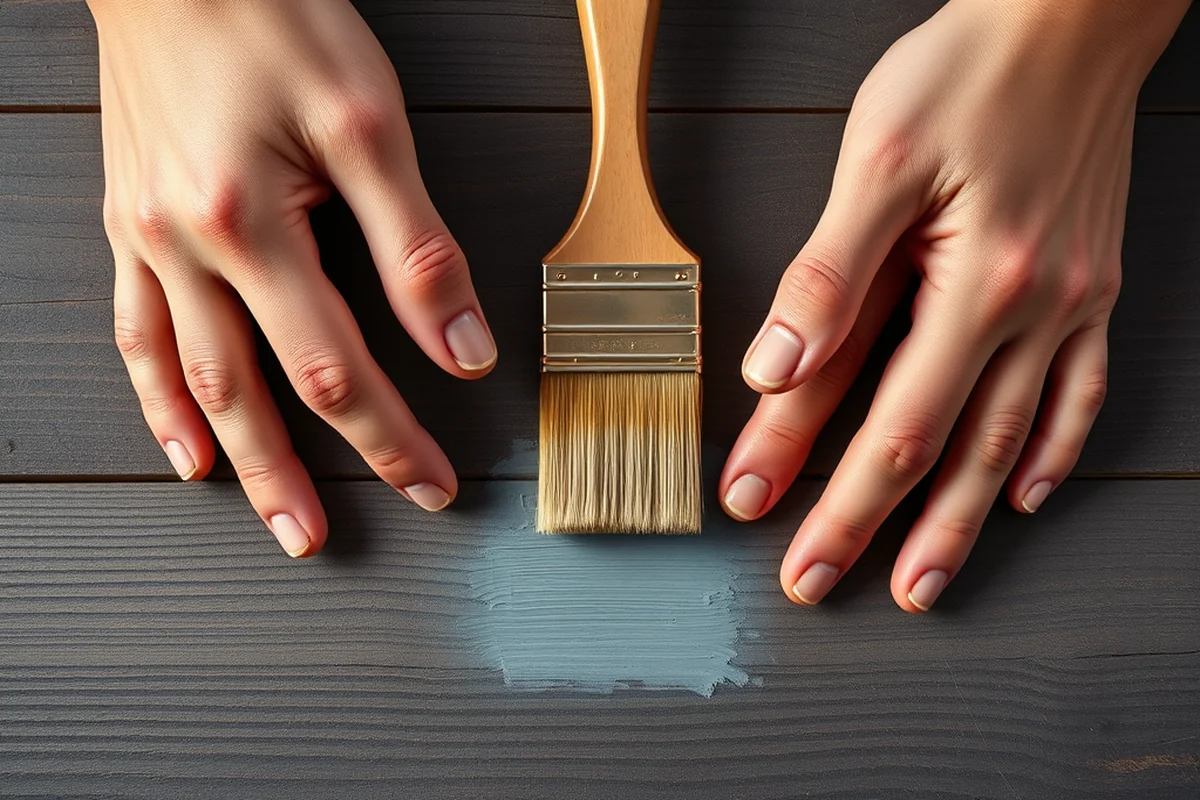
With brushes, I recommend using a small, angled brush for edges and a larger flat brush for the main areas. A foam brush can be useful for applying primer evenly. I’ve found that using a brush with good bristles makes a big difference in the final result.[4]
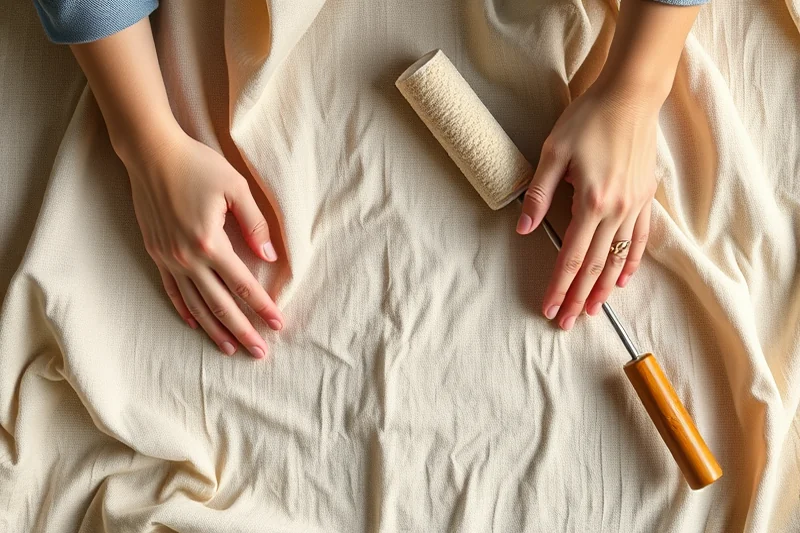
Don’t forget about the tools you’ll need. I’ve used a paint tray, drop cloth, and painter’s tape in my projects. These tools help you apply paint evenly and protect other surfaces from accidental spills.
The right tools make all the difference — don’t skip the essentials.
Related: Furniture flipping painting furniture mistakes fixes ideas
Common Painting Mistakes and How to Avoid Them
One of the most common mistakes I’ve made is painting too soon after sanding. I once painted a cabinet the same day I sanded it, and the paint didn’t stick well. Always let the surface sit for at least a few hours or overnight to allow the wood to stabilize.
Another mistake is not sealing the paint properly. I once painted a coffee table and forgot to apply a clear coat, and within a month, the paint was already fading. A clear sealant is crucial for protecting your work and ensuring it lasts.
I also made the mistake of not using the right type of paint for the furniture’s purpose. I painted a kitchen table with chalk paint, and it chipped after just a few weeks of use. Always choose a paint that’s suitable for the furniture’s location and usage.
Apply a clear sealant after painting to protect your work. I recommend using a water-based polyurethane or a clear wax. This step is especially important for pieces that will be used regularly or exposed to moisture.
“I still remember the first time I picked up a paintbrush to revamp an old chair from my parent's garage.”— Flipper Lane editors
Related: Furniture flipping painting furniture fixes tips
How to Paint Furniture Like a Pro
Start by cleaning the furniture thoroughly. I’ve found that using a degreaser or a mild soap and water works best. This step ensures that the paint adheres properly and doesn’t peel later on.
Next, sand the surface to remove any old paint or imperfections. I’ve used a sanding block for the best results. After sanding, wipe the furniture down with a damp cloth to remove any dust.
Apply a primer to the surface to create a smooth base for the paint. I recommend using a high-quality primer that’s designed for wood. Once the primer is dry, you can start painting with your chosen paint color.
Related: Affordable furniture flipping painting furniture mistakes
Final Touches and Maintenance
Once the paint is dry, apply a clear sealant to protect the surface. I’ve used a water-based polyurethane, and it’s worked well for me. This step ensures that your furniture looks great for years to come.
After sealing, you can add decorative touches like trim or hardware to give your furniture a custom look. I once added new knobs to a cabinet, and it completely transformed the piece.
To maintain your furniture, avoid exposing it to excessive moisture or direct sunlight. I’ve found that regular dusting and occasional cleaning with a mild soap helps keep it looking new.
💰 Budget Build
Flip a chair or table with minimal investment, using affordable materials and simple techniques.
⏰ Weekend Version
Complete a furniture project in one day with fast-drying paint and minimal prep work.
✨ Upgraded Finish
Add a professional-level finish with multiple paint coats and a high-quality sealant.
🛋️ Small-Space Adaptation
Repurpose a piece of furniture for small spaces with creative storage solutions and paint.
🏠 Rental-Safe Option
Paint furniture with removable paint that won’t damage rental properties or walls.
| The mistake | Why it happens | The fix |
|---|---|---|
| Painting without sanding | The paint doesn’t adhere properly to the surface, leading to peeling or chipping. | Always sand the furniture before painting to create a smooth and even surface. |
| Skipping the primer | The paint may not stick well and can chip or fade quickly. | Apply a high-quality primer before painting to ensure a long-lasting finish. |
| Using the wrong type of paint | The paint may not be suitable for the furniture’s location or usage, leading to damage over time. | Choose a paint that’s appropriate for the furniture’s purpose, such as chalk paint for decorative pieces or latex paint for high-traffic areas. |
| Not sealing the paint | The paint can fade, chip, or become damaged from moisture or wear. | Always apply a clear sealant after painting to protect the surface and ensure it lasts. |
Related: Easy furniture flipping painting furniture mistakes fixes
Easy Furniture Flipping & Painting Furniture Mistakes
Related: Easy furniture flipping painting furniture fixes
The Hidden Cost of Skipping Sanding and Prep Work
I once painted an old oak table without sanding, thinking the paint would cover the imperfections. The result was a patchy, uneven finish that looked rushed and unprofessional. Sanding not only smooths the surface but also helps the paint adhere better. I now always start with 120-grit sandpaper, followed by a light dusting with a microfiber cloth to remove all debris. This step alone can save hours of frustration later.
Skipping prep work can also lead to peeling paint in the long run. I tried to skip priming on a lacquered dresser, assuming the paint would stick. Within a few months, the paint started peeling in large chunks. Priming with a bonding primer, especially on glossy or slick surfaces, is a non-negotiable step. It creates a better base for the paint to grip and lasts significantly longer.
The cost of skipping these steps is more than just time—it's also money. I had to repaint an entire chest of drawers because I didn’t properly clean and sand the surface beforehand. The paint didn’t stick evenly, and I had to start over, wasting paint, time, and effort. Proper preparation may take extra time upfront, but it ensures a durable, professional result that lasts for years.
The Surprising Role of Humidity in Furniture Painting
I once painted a set of cabinets during a particularly humid summer, thinking the high heat would make the paint dry faster. Instead, the paint took nearly twice as long to dry, and the finish was sticky and dull. Humidity affects the evaporation rate of the paint’s solvents, which can lead to uneven drying and poor adhesion. I now always check the humidity level in my workspace, aiming for around 40-60% for optimal results.
High humidity can also cause the paint to trap moisture, leading to bubbles, peeling, or even mold growth over time. I painted a dining room table in a basement with poor ventilation and ended up with a surface that had visible bubbles and a soft, uneven texture. Ventilation is key—using fans or opening windows can help speed up drying and reduce the risk of these issues.
In some cases, I’ve found it helpful to use a dehumidifier or paint in a climate-controlled space, especially when working with oil-based paints, which are more sensitive to humidity. I painted a set of chairs in my garage during winter, and the low humidity allowed the paint to dry evenly and quickly. Understanding how humidity affects your project can make the difference between a flawless finish and a costly redo.
Common Questions
Can I paint over old paint without sanding?
What type of paint is best for furniture flipping?
How many coats of paint should I apply?
Can I paint furniture without using primer?
References
- Oral history interview with William Keyser, Jr, 2003 April 25-May 2 (aaa.si.edu)
- McGaugh's Furniture Flips Gain National, International Attention (andersonuniversity.edu)
- Top 5 Highlights of Winterizing the Chateau de Morès (blog.statemuseum.nd.gov)
- Reconsidering the Sunflowers - Center for Literary Publishing (coloradoreview.colostate.edu)
Cite this guide
Flipper Lane (2026). Easy Furniture Flipping & Painting Furniture Mistakes. https://flipperlane.com/easy-furniture-flipping-painting-furniture-mistakes/
Feel free to cite or share this guide.
Price your next flip
Free Furniture Flip Profit Calculator. No sign-up, nothing to install; it runs in your browser.