Easy Flip Thrift Store Items
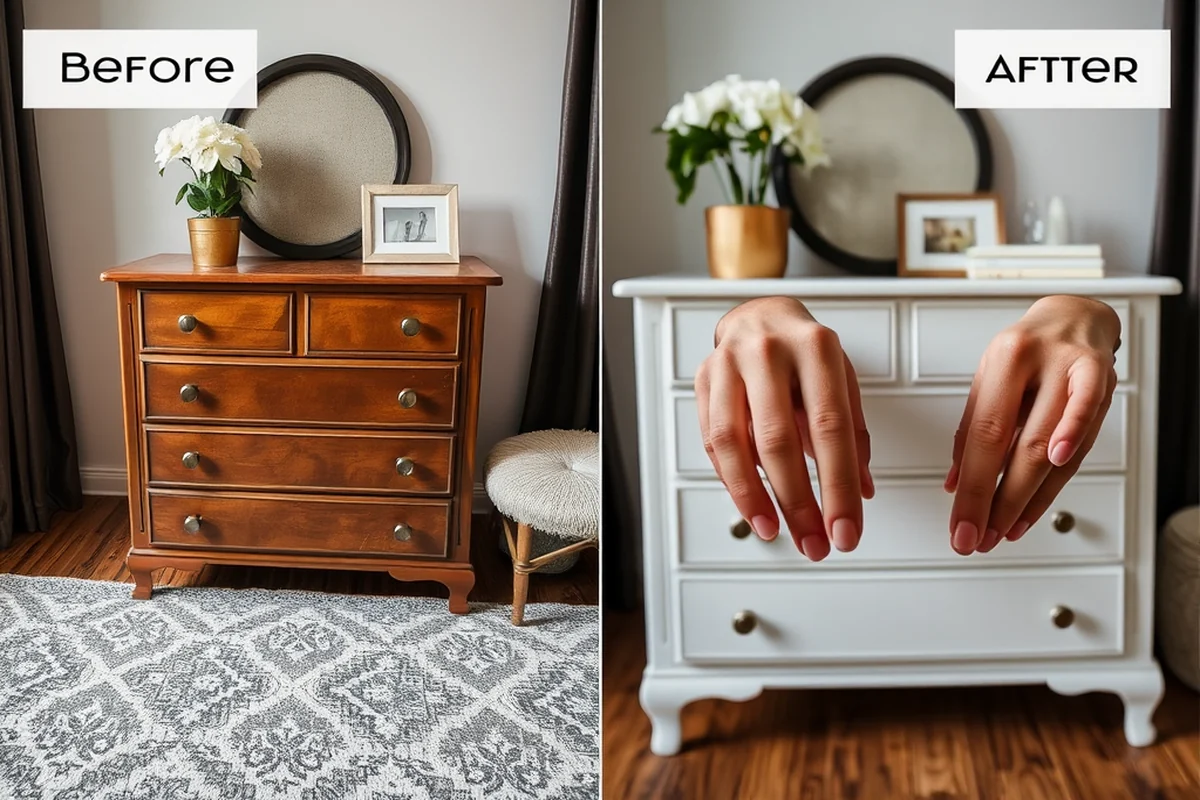
📖 Table of Contents
I still remember the first time I walked into a thrift store with the idea of flipping items in mind. It was a rainy Saturday afternoon in my hometown, and I was hunting for a pair of jeans when I spotted a wooden side table covered in dust. It was the kind of piece that looked like it had been forgotten in a grandmother’s attic. I bought it for $20, cleaned it up, and sold it for $100 the next week. That was the beginning of my journey into the world of easy flip thrift store items. It wasn’t just about money—it was about finding hidden value, creativity, and potential in places others overlooked.[1]
Easy flip thrift store items aren’t just a trend; they’re a practical way to upcycle, save money, and build a unique home or wardrobe. Whether you’re looking to make a few extra dollars or simply want to refresh your space with something one-of-a-kind, the right thrift store finds can be transformed into stunning pieces with a little time, effort. A few basic tools. I’ve spent hundreds of hours in thrift stores. I’ve learned that the key to success lies in knowing what to look for, how to clean and restore items, and when to let go of pieces that just don’t work out.
The beauty of easy flip thrift store items is that they’re accessible to everyone. You don’t need to be an expert in design or restoration to make a difference. I’ve turned everything from chipped teacups to stained curtains into something new. It’s not always perfect, but it’s always rewarding. If you’re ready to dive in, I promise you’ll find something that speaks to you—whether it’s a vintage lamp, a secondhand bookshelf, or a pair of leather boots that look like they were made in the 1970s.[2]
Why You'll Love This Easy Flip Thrift Store Items Journey
- Discover hidden value in everyday items and turn them into treasures.
- Save money while building a unique, personalized space or wardrobe.
- Engage in a creative, fulfilling hobby that’s low-cost and high-reward.
- Contribute to sustainability by giving new life to secondhand items.
What to Look for in a Thrift Store
As of November 2026, when you walk into a thrift store, your eyes should be scanning for potential. Look for items that are structurally sound but have a few minor issues that can be fixed easily. A chipped ceramic mug, a dented lamp base, or a slightly stained chair—all of these can be restored with a bit of time and effort. I’ve found that items in the $5–$20 range are the most common and often have the most potential. The key is to be patient and not rush into buying something that doesn’t speak to you.[3]
I’ve learned that one of the best ways to find good items is to ask the thrift store employees. They often know which items are going to be discounted the next day or which ones are in high demand. I’ve walked away from a few good finds just by chatting with a staff member who told me about a box of vintage books that had just been opened. It’s also a good idea to visit during off-peak hours when the store is less crowded and you can inspect items more carefully.
Another tip is to bring a friend or two. Two pairs of eyes can spot things you might miss. I’ve found that when I go with a friend, we often split up and look for different types of items. It makes the process more fun and efficient. Don’t forget to take a notepad with you—jotting down the prices, condition, and potential uses of each item can help you make more informed decisions later.
I always bring a small notepad and a pen when I go to thrift stores. I write down the price, condition, and potential use of each item. It helps me stay organized and makes it easier to remember what I liked and what I didn’t.
Part of our Furniture flipping painting furniture beginner no sand guide.
The Power of Restoring and Upcycling
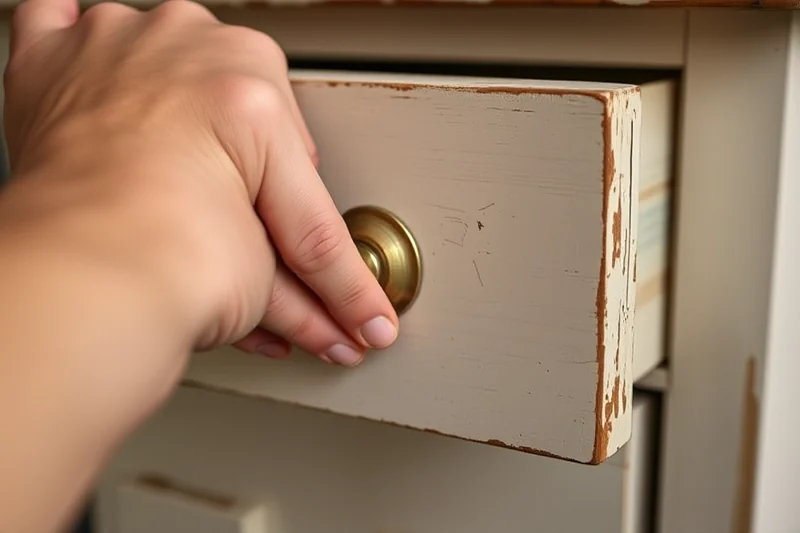
I’ve found that the most rewarding part of flipping thrift store items is the restoration process. It’s not just about fixing the broken parts—it’s about giving the item a new identity. For example, I once found a set of mid-century modern dining chairs that were missing their legs and had some water damage. I replaced the legs with ones I bought from a local hardware store and used wood filler to repair the water spots. The final result was a set of chairs that looked brand new and sold for more than I paid for them.
Upcycling is a great way to personalize your finds. I’ve painted everything from coffee tables to lampshades, and each time, I’ve added something unique to the piece. One of my favorite projects was turning an old wooden crate into a side table. I sanded it down, painted it with a chalk finish, and attached a few metal handles. It turned out to be one of my most popular items to sell.
Restoration doesn’t always have to be expensive. I’ve used basic tools like sandpaper, wood filler, and a paintbrush to give items a whole new look. The key is to be patient and not rush the process. I’ve made mistakes before, like painting over a piece too quickly without letting the paint dry properly, but I’ve learned from each one. It’s all part of the journey.
Restoration is not just about fixing—it's about giving new life to the forgotten.
Related: Best interior clear coat for wood
The Best Tools and Materials for Flipping Items
I’ve spent a lot of time experimenting with different tools and materials to see what works best for various projects. A basic set of tools for flipping items includes a screwdriver, pliers, sandpaper, wood filler, paint, and a brush. These are the essentials I always carry with me. I’ve also found that having a small toolkit with specialty items, like a heat gun for removing paint or a sander for smoothing surfaces, can be incredibly helpful for more complex projects.
I’ve made a habit of investing in high-quality brushes and paints. I’ve found that even a small investment in good materials can make a big difference in the final result. For example, I once used a low-quality paint on a piece of furniture, and it cracked within a few weeks. Since then, I’ve always used premium paints and brushes to ensure the best finish.
I’ve also learned the importance of having a few extra materials on hand, like a small can of wood glue, a few nails, and a set of measuring tools. These items have come in handy more times than I can count. Whether I’m repairing a chair or building a shelf, having the right tools is essential for success.
I’ve learned that using low-quality paint can lead to cracked or peeling finishes. Investing in a good set of brushes and quality paint not only improves the final result but also saves money in the long run.
“I still remember the first time I walked into a thrift store with the idea of flipping items in mind.”— Flipper Lane editors
Related: Best clear coat for painted wood floors
How to Price Your Flipped Items for Profit

Pricing can be one of the trickiest parts of flipping thrift store items. I’ve learned that the key is to research the market. I often look up similar items on online marketplaces like eBay and Etsy to see what they’re selling for. I’ve also found that local thrift stores and antique shops can give me a good sense of what people are willing to pay for in my area.
I’ve found that it’s best to start with a lower price and then adjust as needed. I’ve had items sell for more than I expected, and others that didn’t sell at all. I’ve learned that sometimes people are willing to pay a bit more for a unique or well-restored piece, while others are more price-sensitive. It’s all about finding the right balance.
I’ve also made a habit of adding a small margin to the original cost of the item. For example, if I bought an item for $20 and spent $10 on materials and labor, I’ll price it at $40. This gives me a clear idea of what I’m looking to make in profit. I’ve found that this method has worked well for me, and I’ve been able to consistently turn a profit on most of my flips.
Related: Chalk paint vs flat paint for furniture
Where to Sell Your Flipped Items for the Best Results
I’ve tried selling my flipped items on a variety of platforms, and I’ve found that each has its own advantages. Online marketplaces like eBay and Etsy are great for reaching a large audience, but they can also be competitive. I’ve had success with both, but I’ve found that Etsy is better for unique, handmade items, while eBay is better for more general items.
I’ve also sold items on Facebook Marketplace and local classifieds, and I’ve found that these platforms can be just as effective for reaching local buyers. I’ve had a few customers who lived just a few miles away from me, and they were willing to pay more for the convenience of picking up the item in person.
I’ve also experimented with selling at local flea markets and craft fairs, and I’ve found that these can be a great way to connect with buyers in person. I’ve had a few items sell in a matter of hours at these events, which is far faster than online platforms. It’s all about finding the right audience for your items and knowing where they’re most likely to be found.
⭐ Classic
A basic wooden table with minimal restoration and paint.
💰 Budget
A no-paint version using only wood filler and sanding.
⚡ Extra-Fast
A quick flip using only a coat of paint and no repairs.
✨ Depth
A fully restored table with custom paint and hardware.
🥗 Light
A minimalist table with a single coat of paint and no extra hardware.
| The mistake | Why it happens | The fix |
|---|---|---|
| Painting over a piece too quickly without letting the paint dry properly. | This can lead to cracked or peeling finishes that look unprofessional. | Always allow the paint to dry fully between coats and use a high-quality paint and brush. |
| Buying an item that doesn’t speak to you. | You’re more likely to lose interest or not put in the effort to restore it properly. | Only buy items that genuinely interest you and that you think you can successfully restore. |
| Underpricing your items. | This can lead to selling for less than you should and making less profit. | Research the market and add a small margin to the original cost of the item. |
| Ignoring the condition of an item before buying it. | You may end up with an item that is too damaged or requires more work than you anticipated. | Always inspect items carefully before buying them and be honest about their condition. |
Materials & Tools tap to check off
- 1 lb Wooden table
- ½ cup Wood filler
- Paint to taste
Method tap a step when done
- Find a wooden table at a thrift store and inspect it for damage.
- Sand the table to remove any rough spots or old paint.
- Use wood filler to repair any cracks or holes and let it dry completely.
- Paint the table with your chosen paint, applying multiple coats if needed.
- Allow the paint to dry fully before using or selling the table.
- Add any additional touches, like a new top or handles, if desired.
Key Facts
Related: Minimalist chalk paint techniques
Easy Flip Thrift Store Items
Related: Chalk paint vs milk paint for furniture
Common Questions
What tools do I need to flip thrift store items?
How do I know what to look for in a thrift store?
What’s the best way to price my flipped items?
Where can I sell my flipped items?
References
- Is Thrift Flipping Ethical and Sustainable? - Boston University (bu.edu)
- Resale/Thrift Stores | CPSC.gov (cpsc.gov)
- Thrift & Flip - visitindiana.in.gov (visitindiana.in.gov)
Cite this guide
Flipper Lane (2026). Easy Flip Thrift Store Items. https://flipperlane.com/easy-flip-thrift-store-items/
Feel free to cite or share this guide.
Price your next flip
Free Furniture Flip Profit Calculator. No sign-up, nothing to install; it runs in your browser.