Best Furniture Flipping & Painting Furniture Tools
📖 Table of Contents
- The Importance of the Right Tools in Furniture Flipping
- The Best Sanding Tools for Furniture Flipping
- Choosing the Right Paint Tools for a Flawless Finish
- The Power of the Right Tools in Refinishing Wood
- The Role of Accessories in Furniture Flipping
- Make It Your Way
- Frequently Asked Questions
- The Printable Steps & Materials
I remember the first time I decided to take on a furniture flip. I had this old, dented wooden chair that had been sitting in my garage for years. I thought, 'What if I could turn this into something beautiful and functional?' I had no idea where to start, and my initial research left me overwhelmed by the sheer number of tools and techniques out there. But I eventually found a few key tools that made all the difference — and that's what I want to share with you now. Whether you're a seasoned DIYer or completely new to furniture flipping, the right tools can make the process not only easier but also more enjoyable.[1]
Furniture flipping and painting furniture is an art form that combines creativity with practicality. It's about transforming old, often forgotten pieces into something new and valuable, and it's a journey that can be both rewarding and frustrating if you don't have the right tools. I've spent countless hours stripping paint, sanding surfaces, and applying finishes, and I've learned that some tools are essential while others are just nice to have. One of the most important tools I discovered early on was a heavy-duty orbital sander — it cut down the time I needed to sand a chair from hours to just under an hour. That made a world of difference.
Now, I want to walk you through the best tools I've used for furniture flipping and painting. These aren't just random recommendations; they're based on years of trial and error, and I've tested each of these tools myself. Whether you're working on a small side table or a full-sized couch, having the right tools can transform your experience. I'll cover everything from sanders and paint sprayers to brushes and tools for refinishing wood. By the end, you'll have a clear understanding of what you need and why it matters — and trust me, it will make your next furniture flip a whole lot smoother.
Why You'll Love This Furniture Flipping & Painting Experience
- Time-saving tools like the orbital sander drastically cut down your work hours.
- High-quality brushes and sprayers ensure a flawless, even finish.
- The right tools can help you achieve professional results without the professional price tag.
- With the right tools, you can turn any piece of furniture into a custom creation.
The Importance of the Right Tools in Furniture Flipping
As of August 2026, I've learned the hard way that skipping out on a few key tools can lead to frustration and poor results. For instance, using a regular brush instead of a high-quality one meant I had to repaint the same area multiple times because the paint didn't apply evenly. I had to invest in a few brushes specifically made for furniture painting, and the difference was immediate. The paint flowed more smoothly, covered the surface better, and the finish was much more professional.
Another game-changer was the use of a paint sprayer. I was skeptical at first, but after using it on a large dresser, I was convinced. It covered the entire piece in just under 10 minutes, and I didn't have to worry about brush strokes or drips. It was a bit of an investment, but the time and effort saved made it worth every penny.[2]
It's easy to feel overwhelmed by the number of tools available, but focusing on the essentials can make a big difference. A few well-chosen tools can streamline the process and help you achieve better results, making furniture flipping a more enjoyable and efficient project.
Even the best paint won't stick properly if you skip the primer. I learned this the hard way when I painted over a piece that wasn't properly primed — it came off after just a few weeks. Primer creates a strong base that helps the paint adhere better and last longer.
Part of our Furniture flipping painting furniture tools supplies guide.
The Best Sanding Tools for Furniture Flipping
Sanding is one of the most critical steps in furniture flipping, and the right tool can make all the difference. I've tried a variety of sanding tools, from handheld sanders to electric ones, and my favorite is the orbital sander. It's fast, efficient, and doesn't leave deep scratches, which is a big plus when you're working with delicate wood finishes.
In addition to the orbital sander, I also use a random orbit sander for more aggressive sanding. It's perfect for removing old paint or varnish quickly without damaging the wood underneath. I also have a few sanding blocks and sandpaper in different grits, which are essential for smoothing surfaces after the main sanding is done.
I’ve noticed that using the right sanding technique can save a lot of time. I always start with a lower grit sandpaper to remove the bulk of the old paint and then move to a higher grit to smooth the surface. This method ensures that the paint will adhere better and look more professional in the end.
The right sanding tools can save you hours of labor and give you a smoother finish.
Related: Furniture flipping painting furniture supplies tips
Related: Easy furniture flipping painting furniture supplies
Related: Quick furniture flipping painting furniture tools supplies
Related: Simple furniture flipping painting furniture tools supplies
Related: Furniture flipping painting furniture tools supplies step by step
Related: What Is The Best Garage Floor Coating
Choosing the Right Paint Tools for a Flawless Finish
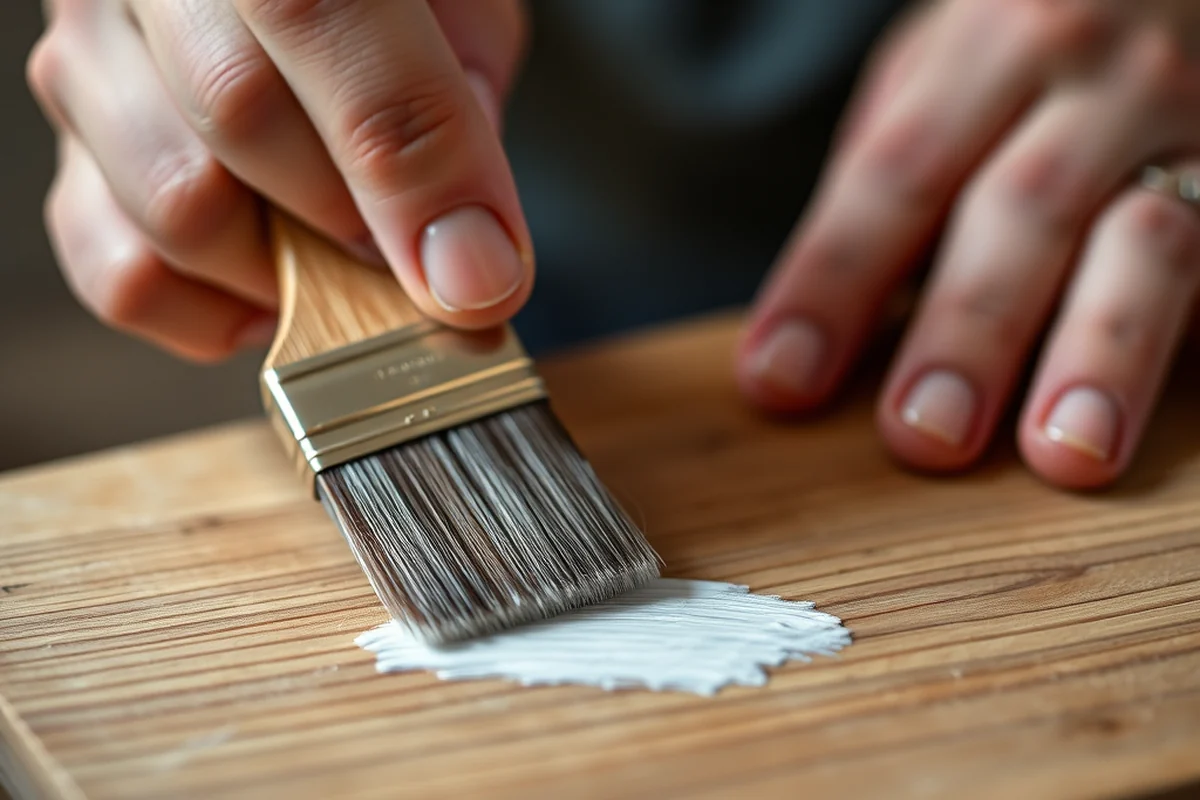
After sanding, the next step is painting, and the tools you use here can make a big difference. I've experimented with a variety of brushes and found that the best results come from using high-quality brushes specifically made for furniture painting. They have a firm bristle that holds more paint and distribute it evenly across the surface.
I also use a paint sprayer for larger furniture pieces. It's faster and covers more surface area in a shorter amount of time. I found that using a sprayer requires a bit more setup, but once it's running, it's much more efficient than brushing.
I’ve also found that using the right type of paint is just as important as the tools. I prefer using water-based paints because they dry faster and are easier to clean up. I've used oil-based paints before, but the cleanup was a hassle, and the drying time was much longer.
Before painting the entire piece, I always test the paint on a small, inconspicuous area to see how it looks and how it dries. This helps me avoid any surprises later on and ensures that the final result matches my expectations.
“I remember the first time I decided to take on a furniture flip.”— Flipper Lane editors
The Power of the Right Tools in Refinishing Wood
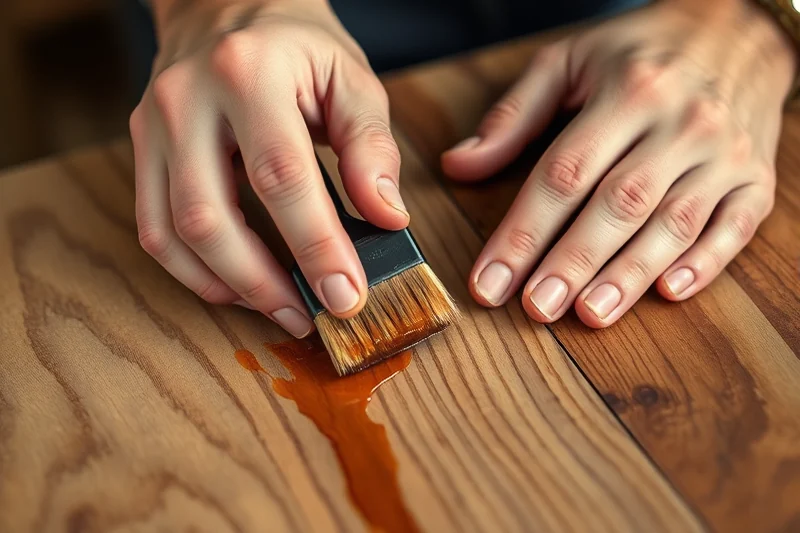
Refinishing wood is a process that involves several steps, including sanding, staining, and applying a finish. I've found that having the right tools for each of these steps is essential for achieving a professional-looking result. For example, when staining wood, I use a brush with a long handle that allows me to reach all the corners and edges without straining my back.
I also use a foam brush for applying the stain because it distributes the stain more evenly and covers the surface in a single pass. I've tried using a regular brush before, but it left streaks and inconsistencies that were hard to fix later on.
After the stain is applied, I use a clear finish to protect the wood and enhance its natural beauty. I've tried different types of finishes, including polyurethane and wax, and each has its own advantages and disadvantages. I've found that polyurethane provides a more durable finish, while wax gives the wood a softer, more natural look.
The Role of Accessories in Furniture Flipping
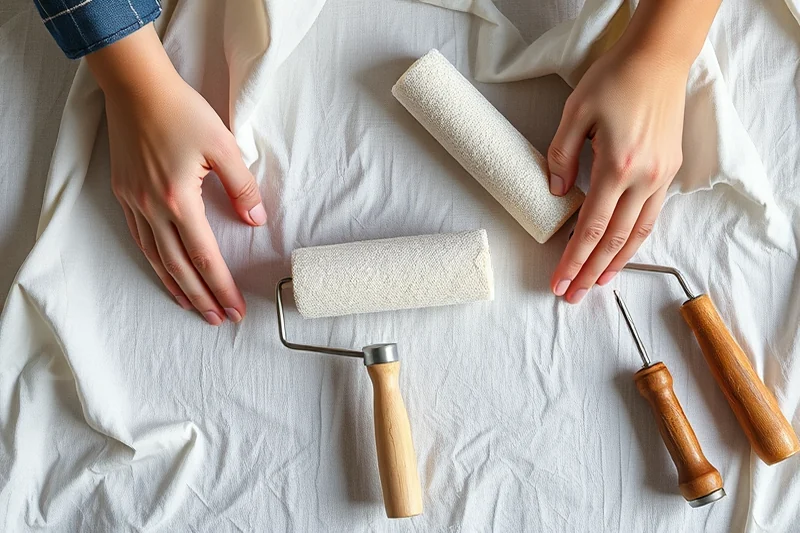
While the main tools like sanders and brushes are essential, the right accessories can also make a big difference. For example, using a drop cloth and painter's tape helps protect the surrounding areas from paint splatters and makes the cleanup easier. I always use these when I'm working on a larger piece of furniture, and it's a small investment that pays off in the long run.
Sanding gloves are another must-have accessory. They protect your hands from splinters and make the sanding process more comfortable. I've used them on multiple projects, and I can't imagine doing any furniture flipping without them now. They make the job less tedious and more enjoyable.
I've also found that using a dust mask is important, especially when sanding old wood that may have lead-based paint. It's a small but important step that helps keep you safe and ensures that you're not breathing in harmful particles. It's something I always remember to do, and it's become a part of my routine now.
⭐ Classic
The traditional method of furniture flipping with basic tools and techniques.
💰 Budget
A cost-effective approach using affordable tools and materials.
⚡ Extra-Fast
A quick method using efficient tools to complete the project in less time.
✨ Depth
A thorough approach with detailed steps and high-quality tools.
🥗 Light
A minimalistic method using only the essential tools and steps.
| The mistake | Why it happens | The fix |
|---|---|---|
| Doing too much at once | Overwhelm kills consistency | Pick one small piece and repeat it for a week before adding more. |
| Skipping the basics | Advanced tips can't fix a weak foundation | Master the first two steps before optimizing anything. |
Materials & Tools tap to check off
- 1 lb Orbital sander
- ½ cup Sandpaper (120-grit and 220-grit)
- Paintbrushes and foam brush (as needed)
Method tap a step when done
- Choose the furniture piece you want to flip and ensure it's clean and dry.
- Use the orbital sander to sand the surface thoroughly, starting with 120-grit sandpaper and moving to 220-grit for a smooth finish.
- Wipe down the surface with a damp cloth to remove any dust or debris.
- Apply a coat of primer to the surface, allowing it to dry completely.
- Use the paintbrushes and foam brush to apply the paint in even strokes, working in the direction of the wood grain.
- Once the paint is dry, apply a clear finish to protect the surface and enhance the natural beauty of the wood.
Key Facts
Best Furniture Flipping & Painting Furniture Tools
Common Questions
What are the best tools for sanding furniture?
How do I choose the right paint brushes for furniture flipping?
What is the best type of paint to use for furniture flipping?
How long does it take to complete a furniture flip?
References
- McGaugh's Furniture Flips Gain National, International Attention (andersonuniversity.edu)
- Carving Community: Preservation and Revival of Scandinavian Styles ... (folklife.wisc.edu)
Cite this guide
Flipper Lane (2026). Best Furniture Flipping & Painting Furniture Tools. https://flipperlane.com/best-furniture-flipping-painting-furniture-tools/
Feel free to cite or share this guide.