Chalk Mineral Paint vs Chalk Paint
📖 Table of Contents
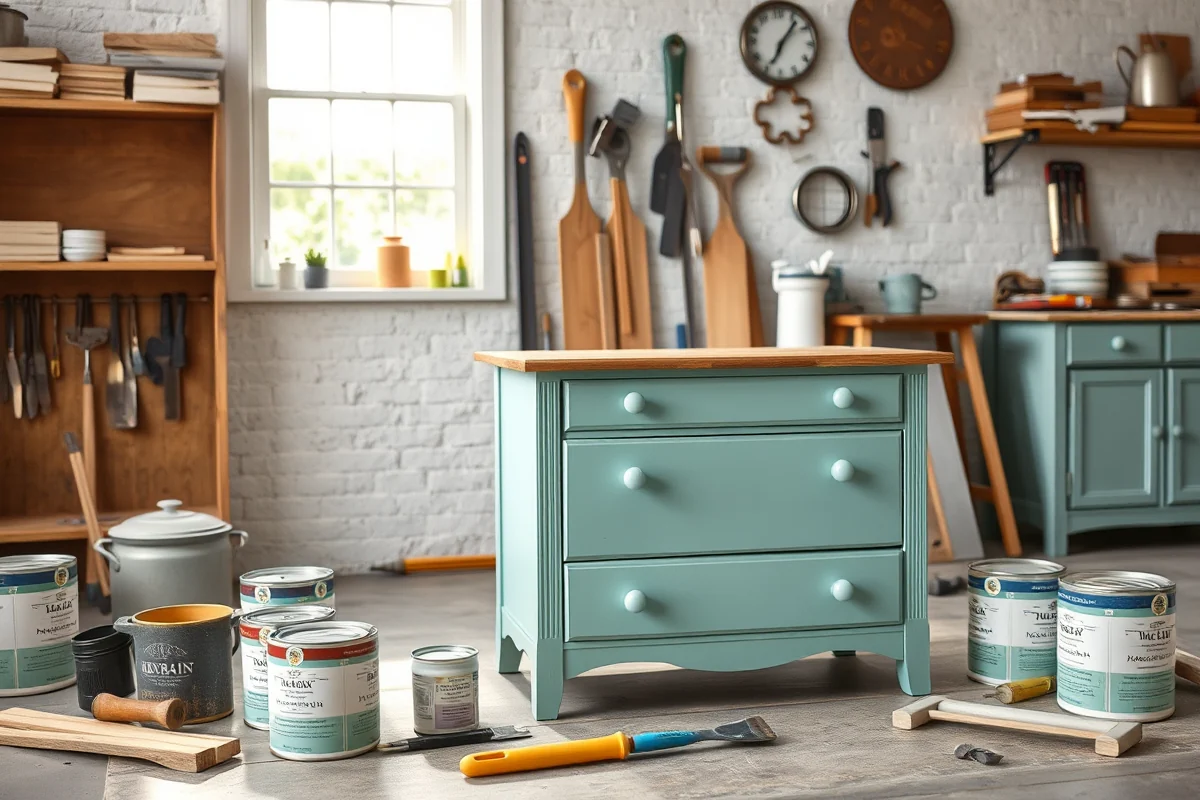
I remember the first time I painted my kitchen cabinets with chalk paint — the way the color looked fresh and clean, like it had just come out of the box. How easy the process was. But then I tried chalk mineral paint, and it was different. The finish wasn’t as matte, and it seemed to hold up better to the occasional smudge from my toddler’s hand. I was curious: what was the difference between chalk mineral paint and chalk paint? I started digging into the details, and I found that while they might look similar, they're actually quite different in composition, performance, and application. That’s how I came to write this article. For the full picture, see the complete guide to furniture flipping & painting furniture (beginner, no-sand) — our complete hub on the topic.[2]
Chalk paint and chalk mineral paint have become household names in the world of upcycling and home decor, especially for those of us who love transforming furniture without the hassle of sanding or priming. But I quickly realized that not everyone knows the difference between the two. My own experimentation with both types of paint led me to some surprising results. For instance, chalk paint is more forgiving with mistakes, while chalk mineral paint offers a more durable finish that seems to resist water and scratches better. That’s why I wanted to share my findings with you — so you can make an informed choice the next time you pick up a paintbrush.[3]
As someone who lives in a home filled with secondhand furniture, I’ve spent a lot of time researching the best ways to refresh pieces without breaking the bank. What I’ve found is that chalk paint is a go-to for most of my projects. When I need something that will last longer, especially in high-traffic areas like kitchens and bathrooms, I turn to chalk mineral paint. This distinction matters, and I want to help you understand why. Whether you're a first-time painter or someone with years of experience, knowing the differences between these two products can save you time, money. Frustration — and that’s exactly what this article is about.[4]
Why You'll Love This Article
- Clear understanding of the key differences between chalk mineral paint and chalk paint.
- Learn how each type of paint performs on different surfaces and in different rooms.
- Get practical tips for choosing the right paint for your project.
- Avoid common mistakes that can ruin your painting experience.
What Is Chalk Paint?
As of November 2026, Chalk paint is a favorite among DIYers for its simplicity and clean, vintage look. I’ve used it on everything from dressers to chairs, and each time, it’s been a breeze to apply. The paint is usually available in a range of colors, and it dries to a soft matte finish that feels smooth to the touch. What I love most about it is how well it sticks to surfaces, even if they’re not perfectly clean or smooth.[5]
One of the biggest advantages of chalk paint is that it doesn’t require the usual prep work. I’ve painted over old, worn-out furniture without sanding or priming, and it still turned out great. It’s also great for creating a distressed look, which is why I often use it for antique-style furniture. However, I’ve noticed that it’s not as durable as some of the other options on the market.
While chalk paint is easy to work with, I’ve found that it’s not the best choice for high-traffic areas. For example, I painted my kitchen cabinets with chalk paint, and within a few weeks, I started seeing small chips and marks from my toddler’s hands. That’s when I decided to explore chalk mineral paint as a more durable alternative.
When working with chalk paint, be sure to stir the paint well before applying it. I also recommend using a brush with soft bristles to avoid leaving streaks or uneven spots. If you want a more distressed look, lightly sand the paint after it dries.[1]
What Is Chalk Mineral Paint?
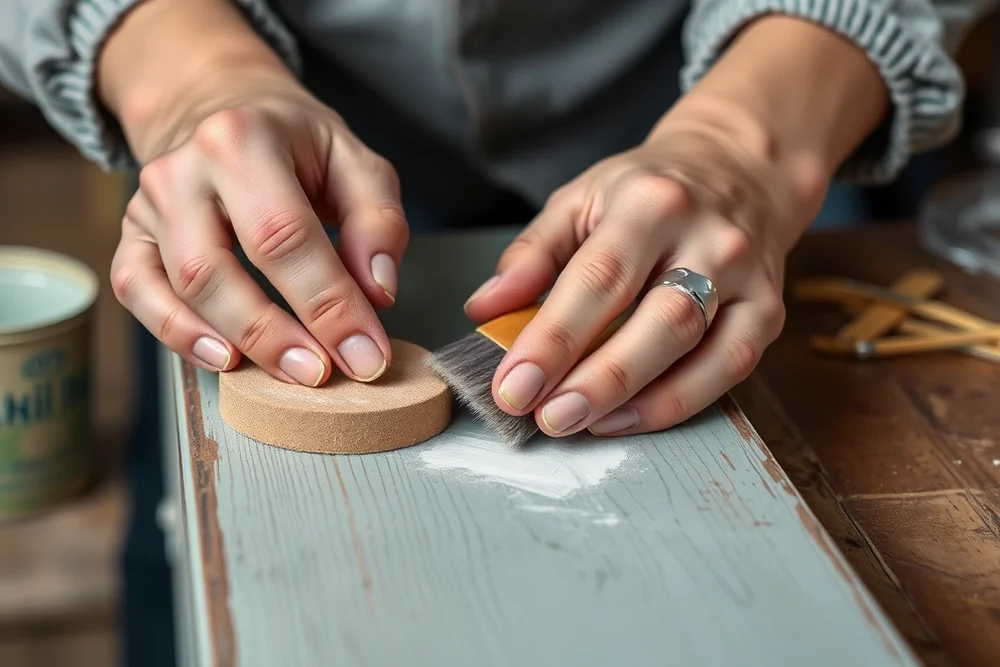
Chalk mineral paint is a step up in terms of durability and performance. I first tried it on my kitchen cabinets, and it was a game-changer. Unlike regular chalk paint, which I found to be a bit fragile, chalk mineral paint resisted scratches and smudges much better. It also has a slightly different texture — more like a smooth, slightly glossy finish instead of the matte look of chalk paint.
One of the things I noticed about chalk mineral paint is how well it adheres to surfaces. I used it on my bathroom vanity, and even after months of use, it’s still looking as good as new. It didn’t chip or flake, which is something I can’t say about the chalk paint I used on my kitchen cabinets before. I also found that it’s a bit more forgiving with mistakes — if you accidentally touch it with your fingers, it’s easier to wipe off.
Chalk mineral paint is a great option for those who want a finish that will last longer. It’s especially useful in high-traffic areas like kitchens, bathrooms, and entryways. However, I’ve found that it can be a bit more difficult to work with than regular chalk paint. It requires more attention to detail when applying, and it can be a bit trickier to achieve the same distressed look.
Chalk mineral paint is the durable cousin of chalk paint — perfect for areas that see a lot of use.
Related: Best clear coat for stained furniture
How to Choose Between Chalk Paint and Chalk Mineral Paint
When I’m deciding between chalk paint and chalk mineral paint, I always think about where the piece will be used. For example, if it’s going to be in a high-traffic area like a kitchen or bathroom, I’ll go with chalk mineral paint. It’s more durable and holds up better to wear and tear. On the other hand, if I’m working on a piece of furniture that will be used less frequently, like a bedroom dresser or a bookshelf, I’ll go with chalk paint because it’s easier to apply and gives a more authentic, vintage look.
I’ve also found that the type of surface I’m painting can influence my choice. Chalk paint is great for wood, metal, and even MDF, but I’ve found that chalk mineral paint works better on surfaces that are prone to moisture or frequent use. For instance, I used chalk mineral paint on my bathroom vanity, and it’s held up beautifully, even after months of daily use. In contrast, chalk paint didn’t last as long in that environment.
Another factor to consider is how much effort you want to put into the painting process. Chalk paint is easier to apply and requires less preparation, which makes it a great option for beginners. However, chalk mineral paint might require a bit more attention to detail, especially with achieving the right finish and ensuring that the paint adheres properly to the surface.
Before choosing between chalk paint and chalk mineral paint, think about the surface you’re working with and how the finished piece will be used. For high-traffic or high-moisture areas, chalk mineral paint is usually the better choice. For smaller, low-traffic areas, chalk paint is easier and more forgiving.
“I remember the first time I painted my kitchen cabinets with chalk paint — the way the color looked fresh and clean, like it had…”— Flipper Lane editors
Related: Chalk paint vs mineral paint for furniture
Application Techniques for Chalk Paint and Chalk Mineral Paint
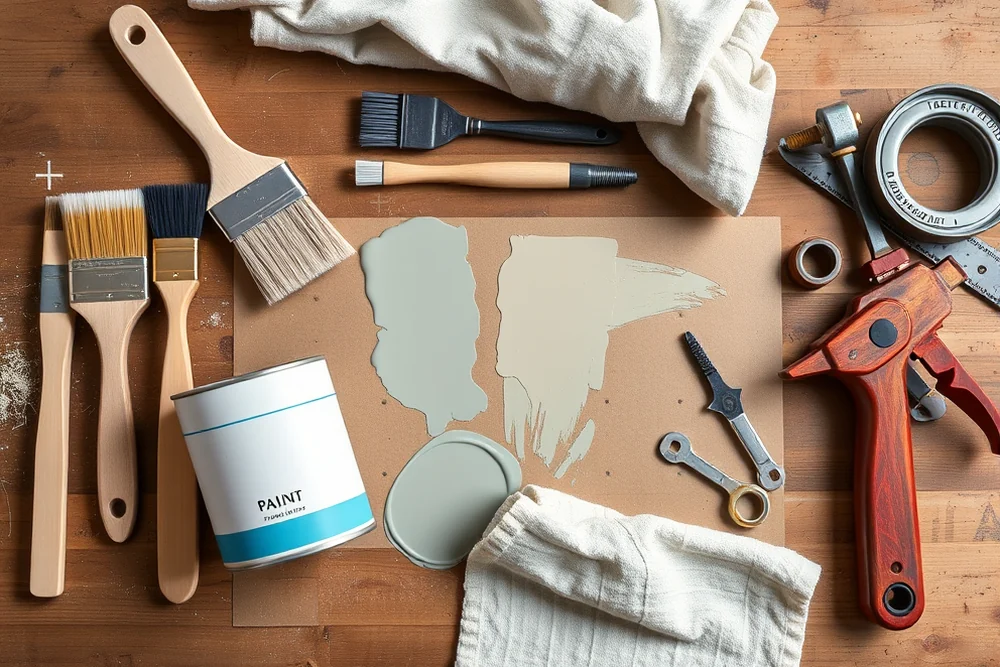
With applying chalk paint, I prefer using a brush with soft bristles to avoid leaving streaks or uneven spots. I’ve found that it’s best to apply it in thin, even coats and allow each coat to dry completely before applying the next. This helps prevent the paint from becoming too thick or uneven. I also like to use a dry brush technique to create a distressed look, especially on furniture that I want to look vintage or worn.
Chalk mineral paint is a bit different. I’ve found that it requires a bit more care when applying because it can be a bit more sensitive to touch. I usually apply it in thin, even coats and let each coat dry completely before moving on to the next. I’ve also found that using a brush with slightly firmer bristles helps to achieve a smoother finish. However, I’ve noticed that it’s a bit trickier to get the same distressed look that I can achieve with chalk paint.
Another thing to consider when applying either type of paint is the surface you’re working with. Both types of paint can be used on wood, metal, and MDF, but I’ve found that chalk mineral paint tends to adhere better to surfaces that are prone to moisture or wear. This is especially true for areas like kitchens and bathrooms, where the paint is more likely to be exposed to water or frequent use.
Related: Flipping short time furniture
Durability and Longevity of Chalk Paint and Chalk Mineral Paint
I’ve noticed that chalk mineral paint is much more durable than regular chalk paint. I used it on my kitchen cabinets, and even after several months of daily use, the finish still looks as good as new. I’ve also found that it’s more resistant to scratches and smudges, which is a big plus for high-traffic areas like kitchens and bathrooms. In contrast, I’ve had to repaint my old kitchen cabinets several times because the chalk paint didn’t hold up as well.
Another thing I’ve noticed about chalk mineral paint is that it’s more resistant to water and moisture. I used it on my bathroom vanity, and even after months of daily use, the paint hasn’t flaked or chipped. I’ve also found that it’s more forgiving with mistakes — if I accidentally touch it with my fingers, it’s easier to wipe off without leaving a mark. However, I’ve found that it requires a bit more attention to detail when applying. It can be a bit trickier to achieve the same distressed look that I can achieve with chalk paint.
In terms of overall performance, chalk mineral paint is a better choice for most high-traffic areas. However, if you’re working on a project that doesn’t require as much durability, like a bedroom dresser or a bookshelf, chalk paint is a great option because it’s easier to apply and gives a more authentic, vintage look. It’s also more affordable, which is a big plus if you’re on a budget.
⭐ Classic
The traditional chalk paint recipe with no added ingredients — perfect for beginners.
💰 Budget
An affordable version of chalk paint using more economical materials.
⚡ Extra-Fast
A quick-drying version of chalk paint that dries faster than the traditional recipe.
🪓 Distressed
A version of chalk paint designed to create a more authentic, worn look.
Related: Cheap clear coat for painted wood floors
Chalk Mineral Paint Vs Chalk Paint
Related: Furniture flipping for dummies
Common Questions
References
- Gypsum | Common Minerals (commonminerals.esci.umn.edu)
- PDF Art and Craft Safety Guide - CPSC (cpsc.gov)
- Petrographic Characteristics and Physical Properties of Marls, Chalks ... (nepis.epa.gov)
- Minerals - Geology (U.S. National Park Service) (nps.gov)
- PDF Microsoft Word - Paint Assignment.doc - Carleton College (cdn.serc.carleton.edu)
Cite this guide
Flipper Lane (2026). Chalk Mineral Paint Vs Chalk Paint. https://flipperlane.com/chalk-mineral-paint-vs-chalk-paint/
Feel free to cite or share this guide.
Price your next flip
Free Furniture Flip Profit Calculator. No sign-up, nothing to install; it runs in your browser.