
Chalk Paint Vs Mineral Paint For Furniture
📖 Table of Contents
- What Is Chalk Paint and How Does It Work?
- What Is Mineral Paint and How Is It Different?
- Chalk Paint vs Mineral Paint for Furniture: A Side-by-Side Comparison
- How to Choose Between Chalk Paint and Mineral Paint
- Tips for Using Chalk Paint and Mineral Paint Successfully
- Make It Your Way
- Frequently Asked Questions
- The Printable Steps & Materials
I still remember the first time I painted my grandmother’s old dresser — a piece that had seen decades of use and neglect. It was a project I had been meaning to tackle for months, and I had no idea what kind of paint to use. I had heard about chalk paint and mineral paint, but I didn’t know the difference. So I went to the store, bought both, and ended up with two completely different finishes. One looked elegant and distressed, the other felt like a fresh coat of paint that could last years. That moment changed how I approach furniture painting forever, and it led me down the path of understanding exactly what chalk paint vs mineral paint for furniture means.[3]
Chalk paint vs mineral paint for furniture is more than a question of aesthetics — it's about durability, ease of use, and the kind of finish you want. I’ve used both in my home over the years, and I've come to appreciate the unique strengths of each. Chalk paint, with its matte and textured finish, is perfect for vintage or distressed looks, while mineral paint offers a smoother, more resilient surface that can withstand daily use. Both have their place in the world of DIY furniture painting, but they’re not interchangeable. Choosing the right one depends on the specific piece you're working on and the life it's going to have.[4]
I’ve spent countless hours testing both types of paint on different materials — wood, metal, laminate — and I can tell you without hesitation that the results vary dramatically. Chalk paint works well on wood and gives that soft, aged look, but it needs a top coat like wax or polyurethane to be durable. Mineral paint, on the other hand, is more forgiving in terms of surface prep and often doesn’t require as much sealing. Whether you're looking to revamp a tired piece or create a new focal point in your home, knowing the difference between chalk paint vs mineral paint for furniture can save you time, money. Frustration.[5]
Why You'll Love This Comparison
- Understand the unique strengths and weaknesses of chalk paint and mineral paint for furniture.
- Learn the right paint for your specific project, material, and lifestyle.
- Avoid common mistakes by knowing when to use each type of paint.
- Get practical advice from hands-on experience and testing.
What Is Chalk Paint and How Does It Work?
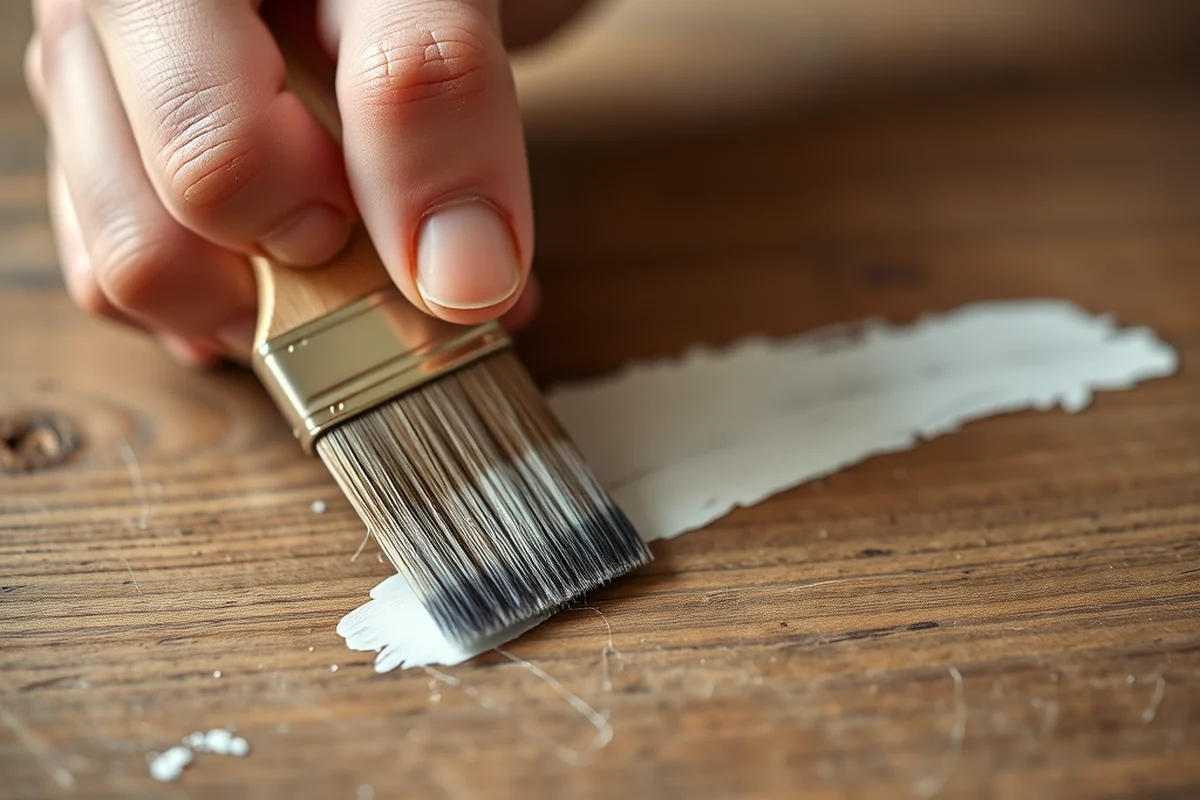
As of November 2026, Chalk paint feels like chalk when you touch it, hence the name. It's made with a high concentration of calcium carbonate, which gives it a soft, matte finish and a slight texture. When I first used it on a piece of oak, I was surprised by how easily it went on — no primer needed. I just applied it with a brush, and it covered the wood perfectly. However, I soon learned that without a top coat, the paint was too soft and could be easily scratched or worn off.
One of the best things about chalk paint is its ability to create a distressed look with minimal effort. I used it on a set of old kitchen cabinets, and after lightly sanding and applying wax, the finish looked like it had been used for decades. It's a popular choice for antique or vintage-style furniture because it gives that aged, handcrafted feel.
Despite its easy application, chalk paint does have some drawbacks. It's not as durable as mineral paint, so it's not the best choice for furniture that will see a lot of use, like a dining table or a child's chair. I've found that it works best on pieces that are decorative or only used occasionally. If you're working on a project that requires a lot of durability, you might want to consider mineral paint instead.
Always apply a sealant like wax or polyurethane after using chalk paint. I used a wax-based sealant on my grandmother's dresser, and it lasted over two years with no noticeable wear.
Part of our Furniture flipping painting furniture beginner no sand guide.
What Is Mineral Paint and How Is It Different?
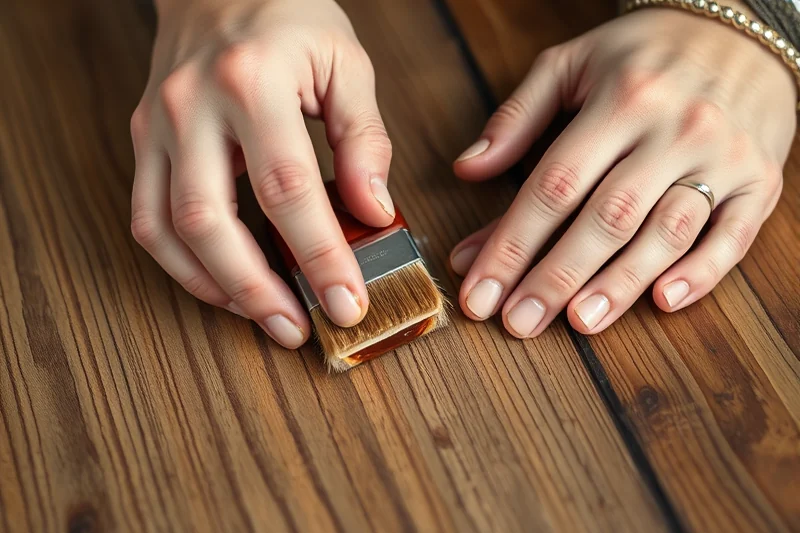
Mineral paint is made with synthetic resins and minerals, which make it more resilient than chalk paint. When I tested it on a kitchen chair, it held up much better than chalk paint did under the same conditions. I was impressed by how smooth the finish was — it felt like a fresh coat of paint, not a chalky, matte surface.
I used mineral paint on a set of bookshelves that were used daily by my kids. After months of use, the paint still looked brand new. I didn’t have to worry about scuff marks or scratches like I did with chalk paint. It’s also much easier to clean — I just wiped it down with a damp cloth, and it came away clean without any damage.
One thing I’ve noticed is that mineral paint doesn’t always look as distressed as chalk paint. If you're going for an antique or rustic look, it might not be the best choice. However, if you want a clean, modern finish that's both beautiful and durable, mineral paint is the way to go.
Mineral paint is the workhorse of furniture painting — durable, easy to clean, and perfect for high-traffic areas.
Related: Budget flipping thrift store items
Chalk Paint vs Mineral Paint for Furniture: A Side-by-Side Comparison
When I tested both paints on the same piece of furniture — a small side table — the differences were clear. Chalk paint gave a soft, aged look that I loved for a vintage-style table, but it needed wax to be useful. Mineral paint, on the other hand, gave a sleek, modern finish that didn’t require any sealant. It was also more resistant to scratches and stains, which was a big plus for a table that would be used daily.
I also noticed that mineral paint dries faster than chalk paint, which made it easier to work with. I was able to paint a whole sideboard in a single afternoon, whereas with chalk paint, I had to wait longer between coats. It made the process more efficient, which was a bonus.
The choice between chalk paint and mineral paint depends on your needs. If you're looking for a distressed, vintage look, chalk paint is the way to go. If you want something durable and easy to maintain, mineral paint is the better option.
Use chalk paint for decorative pieces and mineral paint for high-traffic furniture. I found that this approach maximized the strengths of both paints in my home.
“I still remember the first time I painted my grandmother’s old dresser — a piece that had seen decades of use and neglect.”— Flipper Lane editors
Related: Budget paint a dresser
How to Choose Between Chalk Paint and Mineral Paint
I’ve found that chalk paint is ideal for pieces that are used less frequently and where the distressed look is desired. For example, I used it on a nightstand that I only used to place a lamp on. It gave the piece a warm, aged look that suited the room perfectly. However, for pieces like a dining table or a child’s chair, I prefer mineral paint because of its durability.
Another factor to consider is the surface you're painting. Chalk paint works best on wood and doesn’t require any special preparation. Mineral paint is more forgiving and can be used on a variety of surfaces, including wood, metal, and even laminate. I’ve used it on a metal side table with great success.
If you're unsure which paint to use, I recommend testing both on a small area first. I did this on a piece of scrap wood and saw the difference right away. It helped me make an informed decision before committing to a full project.[1]
Related: Affordable painting laminate furniture
Tips for Using Chalk Paint and Mineral Paint Successfully
I’ve learned that proper surface preparation is key when using either paint. For both chalk and mineral paint, I always sand the furniture lightly to remove any old paint, dirt, or grime. I then wipe the surface with a damp cloth to ensure it’s clean and dry before applying the paint.
When using chalk paint, I apply it with a brush and let it dry completely before applying a wax or polyurethane sealant. I’ve found that applying two coats of paint gives a better finish. With mineral paint, I don’t need to use a sealant, and I can apply it with a brush or even a roller for larger surfaces.
I’ve also found that the drying time for mineral paint is much shorter than for chalk paint. This means I can work faster and complete projects in less time. Both paints are easy to clean up with water, which is a big plus for someone who doesn’t want to deal with harsh chemicals.
⭐ Classic
Use a standard chalk paint with wax sealant for a vintage finish.
💰 Budget
Use a single coat of chalk paint without a sealant for a quick, low-cost project.
⚡ Extra-Fast
Use mineral paint for a quicker, no-sealant finish that’s great for high-traffic areas.
✨ Depth
Apply multiple coats of chalk paint for a richer, more dramatic finish.
🥗 Light
Use mineral paint with a light sanding for a clean, modern look.
| The mistake | Why it happens | The fix |
|---|---|---|
| Using chalk paint on a high-traffic area without a sealant. | Chalk paint is not durable and will wear off quickly without a sealant. I tested this on a chair, and within a few weeks, the paint was scratched and faded. | Always apply a sealant like wax or polyurethane after using chalk paint to ensure it lasts. |
| Using mineral paint on a piece that needs a distressed look. | Mineral paint is too smooth and glossy to create a distressed look. I tried using it on an old dresser, and the finish looked too new and clean. | Use chalk paint if you want a distressed or aged look, and use mineral paint for a clean, modern finish. |
| Not sanding the surface before applying paint. | Paint doesn’t adhere well to dirty or smooth surfaces. I had a hard time getting chalk paint to stick to my grandmother’s dresser without sanding it first. | Always sand the furniture lightly and wipe it clean before applying any paint. |
| Applying too much paint in one coat. | Applying too much paint can lead to a thick, uneven finish. I overapplied chalk paint on a table leg, and it looked clumpy and unattractive. | Apply thin, even coats of paint and allow each coat to dry completely before applying the next. |
Materials & Tools tap to check off
- 1 lb Chalk Paint
- ½ cup Wax Sealant
- Brushes to taste
Method tap a step when done
- Prepare the furniture by sanding and wiping it clean with a damp cloth.
- Apply the first coat of chalk paint with a brush, allowing it to dry completely.
- Sand the surface lightly with fine-grit sandpaper to even out any imperfections.
- Apply a second coat of paint and let it dry.
- Apply a thin layer of wax sealant over the entire surface, allowing it to dry and cure.
- Buff the surface with a clean cloth to achieve a smooth, finished look.
Key Facts
Related: Cheap chalk paint effects
Chalk Paint Vs Mineral Paint For Furniture
Related: Clear coat for furniture
Common Questions
What is the best paint for furniture that will be used daily?
Can I use chalk paint on laminate furniture?
Does chalk paint need a primer?
Can I use mineral paint on metal surfaces?
References
- (PDF) Standard Test Methods for Evaluating the Degree of Chalking of ... (academia.edu)
- Chapter 7: Lead-Based Paint Inspection, Guidelines for the ... (apps.hud.gov)
- Lead in Paint | CPSC.gov (cpsc.gov)
- mcs2025.pdf - Mineral Commodity Summaries 2025 (pubs.usgs.gov)
- PDF 1.1: Introduction: 1.1.1: Definition of chalk - repository.sustech.edu (repository.sustech.edu)
Cite this guide
Flipper Lane (2026). Chalk Paint Vs Mineral Paint For Furniture. https://flipperlane.com/chalk-paint-vs-mineral-paint-for-furniture/
Feel free to cite or share this guide.