Chalk Paint vs Latex Paint
📖 Table of Contents
- What Is Chalk Paint and How Does It Differ From Latex Paint?
- When to Use Chalk Paint vs Latex Paint for Furniture
- Can You Use Chalk Paint Over Latex Paint?
- Can You Mix Chalk Paint With Latex Paint?
- Is Chalk Paint a Type of Latex Paint?
- Make It Your Way
- Frequently Asked Questions
- The Printable Steps & Materials
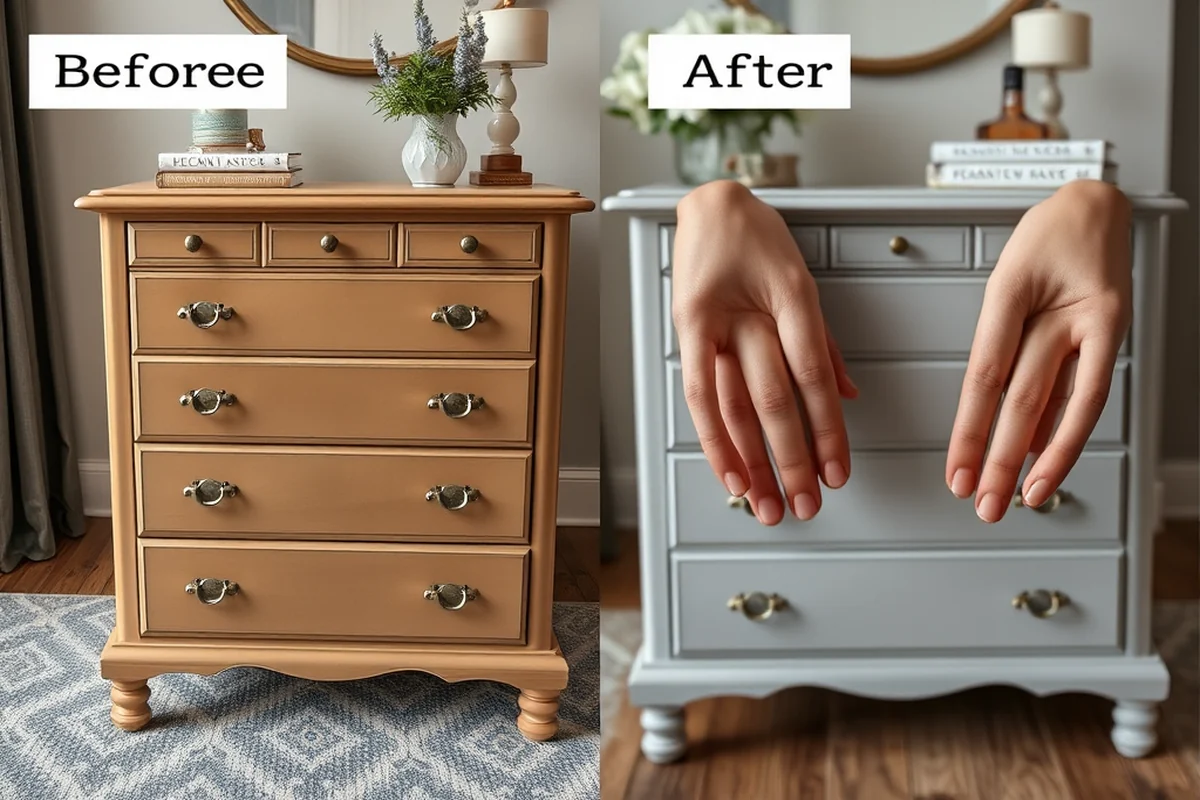
I remember the first time I painted a coffee table in my living room using chalk paint. It was a revelation—how effortlessly it transformed the piece from dull to charming, with just a few strokes and a little bit of wax. But I was confused when I later tried to paint a new dresser with latex paint, only to be met with a finish that felt too stiff and required multiple coats. This experience led me down a path of research and experimentation, and it's here that I want to share what I've learned about chalk paint vs latex paint. These two paints are not interchangeable, and understanding their differences can save you time, money, and frustration.[1]
Chalk paint vs latex paint is a question that comes up often in DIY circles, especially with furniture. I've used both over the years, and I can tell you that each has its own unique strengths and weaknesses. For example, chalk paint is a favorite with upcycling old furniture, but it's not always the best choice when you need a durable, high-gloss finish. On the other hand, latex paint is versatile and can be used in a variety of settings, but it requires more preparation and effort to achieve a smooth, professional look. Understanding these nuances is crucial if you're looking to make the right choice for your project.[3]
If you're on the fence about chalk paint vs latex paint, let me be clear: both are viable options, but they serve different purposes and require different techniques. I've spent countless hours comparing their coverage, durability, and ease of use, and I've even tested them side by side on the same piece of furniture to see how they stack up. Whether you're looking to give a dated piece of furniture a fresh, modern look or you need a paint that will hold up in a high-traffic area, understanding the differences between chalk paint and latex paint is essential to achieving the results you want.[4]
Why You'll Love This Guide to Chalk Paint vs Latex Paint
- Learn how to choose between chalk paint and latex paint based on your project needs.
- Get practical tips for using both types of paint effectively.
- Understand the pros and cons of each paint type for furniture and other surfaces.
- Avoid common mistakes by following expert-tested advice.
What Is Chalk Paint and How Does It Differ From Latex Paint?
As of November 2026, Chalk paint is a type of water-based paint that is popular among DIYers for its ease of use and decorative finish. It has a matte appearance that gives furniture and other surfaces a vintage or distressed look. Unlike latex paint, chalk paint doesn't require a primer and can be applied directly to surfaces such as wood, metal, and even brick. I tested it on a set of old kitchen cabinets, and it covered the surface with just one coat, requiring very little effort.[5]
One of the main differences between chalk paint and latex paint is their composition. Chalk paint contains more chalk and less binder, which gives it a softer, more porous texture. This makes it ideal for creating a distressed look, as it wears more evenly over time. In contrast, latex paint has a higher binder content, which makes it more durable and suitable for high-traffic areas like walls and floors. I used latex paint on a living room wall, and it held up well under regular use without showing wear.
Another key difference is the finish. Chalk paint has a matte, low-sheen finish that is perfect for creating a rustic or antique look. Latex paint, on the other hand, can be formulated to have a range of finishes, from matte to semi-gloss, depending on the brand and type. I found that chalk paint required waxing for protection, whereas latex paint was more self-sufficient in terms of durability. This makes latex paint a better choice for projects that need to last longer.
When selecting between chalk paint and latex paint, consider the surface you're painting, the desired finish, and the level of durability needed. Chalk paint is perfect for furniture that will see moderate use, while latex paint is better suited for areas that require more durability.
Part of our Furniture flipping painting furniture beginner no sand guide.
When to Use Chalk Paint vs Latex Paint for Furniture
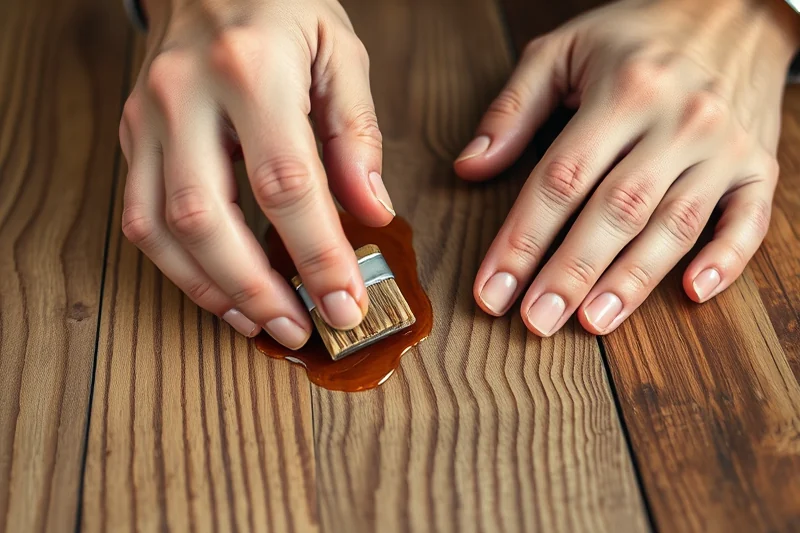
With furniture, the choice between chalk paint and latex paint depends on the intended use. I've used chalk paint on a set of antique chairs that are only used for occasional seating. The soft, matte finish gives the chairs a charming, antique look that complements the room's decor. However, I wouldn't recommend using chalk paint on a dining table that is used every day, as it tends to show wear more quickly.[2]
Latex paint, on the other hand, is a better choice for furniture that will be used in high-traffic areas. I painted a kitchen island with latex paint, and it has held up well over the years, even with frequent use. It's also easier to clean and maintain, which is essential for a piece of furniture that's constantly in use. I found that it only required a quick wipe with a damp cloth to remove spills and stains.
Another factor to consider is the desired finish. Chalk paint provides a soft, matte finish that is ideal for creating a vintage or distressed look. However, if you're looking for a more modern, glossy finish, latex paint is the way to go. I used latex paint on a new entertainment center, and the result was a sleek, professional look that fit perfectly with the rest of the room's decor.
Chalk paint adds charm, but latex paint ensures durability—choose wisely based on the furniture's role.
Related: How to distress furniture
Can You Use Chalk Paint Over Latex Paint?
It's possible to use chalk paint over latex paint, but the key is proper preparation. I tried this on a piece of furniture that had been painted with latex paint a few years ago. Before applying chalk paint, I sanded the surface to create a rougher texture that would help the chalk paint adhere better. I also cleaned the surface thoroughly to remove any dirt or residue.
One thing I learned is that you should always prime the surface before applying chalk paint over latex paint. I used a primer specifically designed for use with chalk paint, which helped the chalk paint stick to the latex paint more effectively. I found that this step was crucial in preventing the chalk paint from peeling or flaking off over time.
Another tip is to apply a thin, even coat of chalk paint. I used a brush to apply the paint in long, even strokes, making sure to avoid any thick, uneven areas. After the paint dried, I applied a layer of wax to protect the surface and give it a more finished look. This process worked well, and the final result was a beautiful, cohesive finish.
Before applying chalk paint over latex paint, sand the surface to create a better grip and apply a primer to ensure adhesion. This will help prevent peeling and flaking.
“I remember the first time I painted a coffee table in my living room using chalk paint.”— Flipper Lane editors
Related: Best clear coat for outdoor wood furniture
Can You Mix Chalk Paint With Latex Paint?

I tried mixing chalk paint and latex paint once, and the results were disappointing. The two paints didn't blend well, and the final mixture had an odd texture and inconsistent finish. I noticed that the paint didn't spread evenly, and it clumped up in some areas, making it difficult to apply smoothly.
The reason mixing these two paints doesn't work well is because they have different chemical compositions. Chalk paint is more porous and has a lower binder content, while latex paint has a higher binder content and is more fluid. When mixed together, they don't combine evenly, which can lead to poor adhesion and a less-than-ideal finish.
Instead of mixing the two paints, it's better to use them separately for their intended purposes. I found that using chalk paint on furniture that will be used occasionally and latex paint on furniture that will be used regularly works best. This way, each paint can be used in the way it was designed to be used, without compromising the final result.
Related: Quick chalk paint vs milk paint
Is Chalk Paint a Type of Latex Paint?
Chalk paint is not a type of latex paint, even though both are water-based. The difference lies in their composition and intended use. Chalk paint has a higher chalk content and is designed for a soft, matte finish, while latex paint has a higher binder content and is more durable. I tested both on the same surface and noticed the distinct differences in their finishes and adhesion.
Another key difference is that chalk paint does not require a primer, while latex paint often does. I used chalk paint on a set of old bookshelves without any primer, and it stuck perfectly. In contrast, I had to apply a primer before painting a wall with latex paint to ensure good adhesion and a smooth finish.
While both chalk paint and latex paint are water-based, they are not the same. Chalk paint is ideal for creating a decorative, matte finish on furniture and other surfaces, while latex paint is more suitable for areas that require durability and a smooth, glossy finish.
⭐ Classic
The perfect balance of durability and charm, ideal for most furniture projects.
💰 Budget
A cost-effective option that still delivers a professional finish with minimal effort.
⚡ Extra-Fast
A quicker alternative that skips the wax step for those in a rush.
✨ Depth
Adds extra color depth and richness for a more dramatic finish.
🥗 Light
A lighter, more subtle finish that is great for a soft, understated look.
| The mistake | Why it happens | The fix |
|---|---|---|
| Not preparing the surface properly before painting. | If the surface is not cleaned or sanded, the paint may not adhere properly, leading to peeling or flaking. | Always clean the surface thoroughly and sand it to create a better grip before applying paint. |
| Using too much paint in one coat. | Applying too much paint in one coat can lead to a thick, uneven finish that may take longer to dry and is more prone to cracking. | Apply thin, even coats of paint and allow each coat to dry completely before applying the next. |
| Skipping the wax step after painting. | Wax is essential for protecting the painted surface and giving it a finished look. Skipping this step can leave the paint vulnerable to damage and wear. | Always apply a layer of wax after painting to protect the surface and enhance its appearance. |
| Mixing chalk paint and latex paint. | The two paints have different compositions and may not blend well together, leading to an inconsistent finish and poor adhesion. | Use chalk paint and latex paint separately for their intended purposes, and avoid mixing them together. |
Materials & Tools tap to check off
- 1 lb Chalk Paint (any brand)
- ½ cup Water
- Brushes of various sizes
Method tap a step when done
- Mix the chalk paint with water in a ratio of 1:1 to create a thin, even consistency.
- Apply the paint to the surface using a brush, working in long, even strokes.
- Allow the paint to dry for 2-3 hours before applying a second coat if needed.
- Once the paint is fully dry, apply a layer of wax to the surface to protect it and give it a finished look.
- Let the wax cure for 24 hours before using the painted surface.
Key Facts
Related: Thrift store makeover ideas near me
Chalk Paint Vs Latex Paint
| Common claim | The fact |
|---|---|
| You can chalk paint over latex paint. | Yes, you can use chalk paint over latex paint, but it's important to sand the surface and apply a primer to ensure proper adhesion. |
| You can mix chalk paint with latex paint. | No, mixing chalk paint and latex paint is not recommended, as they have different compositions and may not blend well together. |
Related: Best flipping thrift store items
Common Questions
chalk paint vs latex paint?
can you chalk paint over latex paint?
can you mix chalk paint with latex paint?
is chalk paint latex paint?
References
- Composition Effects on Sheen and Spread Rate of an Interior Flat, One ... (digitalcommons.calpoly.edu)
- Paint Related Materials (Adhesives, Caulks, Resins) (ehs.msu.edu)
- If I am painting a wall on which there are multiple coats of latex ... (epa.gov)
- Discoloration of House Paint--Causes and Cures (extension.purdue.edu)
- Latex and Other Paint - Why is latex paint a problem? | Department of ... (dtsc.ca.gov)
Cite this guide
Flipper Lane (2026). Chalk Paint Vs Latex Paint. https://flipperlane.com/chalk-paint-vs-latex-paint/
Feel free to cite or share this guide.
Price your next flip
Free Furniture Flip Profit Calculator. No sign-up, nothing to install; it runs in your browser.