Essential Chalk Mineral Paint vs Chalk Paint
📖 Table of Contents
There’s something oddly satisfying about the way chalk mineral paint clings to a piece of furniture, almost as if it’s whispering, 'I belong here.' The first time I used it, I was trying to revive an old oak chest that had seen better days. I had heard about chalk paint from friends, but I wasn’t sure what made chalk mineral paint different. What I discovered was a subtle but significant distinction between the two: chalk paint is a bit more dramatic, while chalk mineral paint offers a gentler, more muted finish. I had always thought of them as similar, but the difference in texture and coverage really stood out as I worked through the project. It wasn’t just about aesthetics—it was about performance, durability, and the kind of finish that could make or break a DIY transformation.[3]
The first step was understanding what I was working with. Chalk paint is a popular choice for furniture restoration because of its matte, soft finish and its ability to adhere to nearly any surface without needing to be primed. I had used it before, but I quickly noticed that chalk mineral paint, while similar in appearance, behaved differently. It required more layers to achieve the same coverage, and the finish was less matte, almost like a low-sheen. That made me curious—what exactly sets these two paints apart? I decided to explore the details, comparing ingredients, application methods, and the results I could expect from each. I wanted to be certain I wasn’t just following trends, but making a choice based on real, hands-on experience.[4]
As I worked through my oak chest project, I realized that the differences between chalk mineral paint and chalk paint were more than just cosmetic. The way each paint responded to the surface, the time it took to dry, and the final appearance were all things I had to consider. Chalk mineral paint, for instance, required a bit more patience, but the end result felt more natural and lived-in. Chalk paint, on the other hand, was more forgiving and quick to apply. I found that each had its place depending on the project at hand. Whether you’re looking for a bold statement or a subtle update, the choice between the two paints can make a big difference in the final outcome. I walked away from that project with a deeper understanding of both products and a renewed appreciation for the nuances in DIY materials.[5]
Why You'll Love This Comparison
- Understand the key differences between chalk mineral paint and chalk paint for better DIY results.
- Learn how each paint behaves on different surfaces and how to choose the right one for your project.
- Discover the time and cost-saving benefits of using the appropriate paint for your needs.
- Get real, firsthand insights to help you make an informed decision for your next DIY project.
What is Chalk Mineral Paint and How is it Different?
As of November 2026, Chalk mineral paint is made primarily from a blend of natural minerals, including calcium carbonate, which gives it a soft, textured finish. Unlike regular chalk paint, which is typically composed of chalk and water, mineral paint contains more binding agents and fillers. This makes it slightly more durable and easier to apply over surfaces with imperfections. I noticed that when I used it on my oak chest, it covered the grain and dents more evenly, without the need for excessive sanding. The result was a smoother, more even finish that didn’t require multiple coats in the same way chalk paint does.
One of the most noticeable differences between the two is the texture. Chalk mineral paint has a slightly finer consistency than regular chalk paint, which means it can be applied more smoothly. However, it also has a tendency to be more prone to cracking if applied too thinly. I learned this the hard way when I tried to rush the process and ended up with a few patches that flaked off. It taught me that patience is key when working with this type of paint. The finish is also a bit more opaque, which is great for covering darker or stained surfaces without needing to prime them first.
Another key difference is the drying time. Chalk mineral paint dries more slowly than chalk paint, which can be both a blessing and a curse. On one hand, it gives you more time to work with the paint before it sets, which is helpful for larger projects. On the other hand, it means that you have to be careful not to touch the surface too soon after applying it. I found that waiting at least 24 hours before handling the project was the safest bet to avoid smudging or damaging the finish.[1]
If you rush the process, you risk smudging or cracking the paint. Be patient and let it dry fully before handling your project.
Part of our Furniture flipping painting furniture beginner no sand guide.
The Unique Properties of Chalk Paint
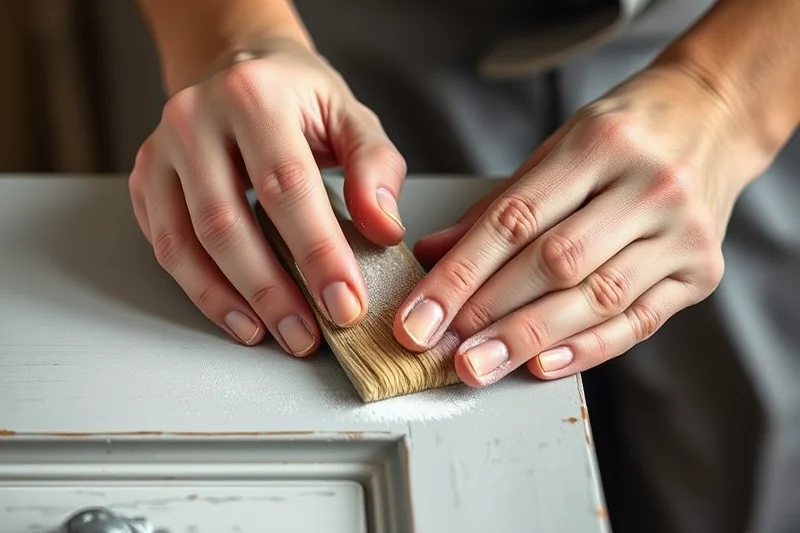
Chalk paint is a staple in the world of furniture restoration because of its ease of use and versatility. It’s made from a combination of chalk, water, and other natural binders, which gives it a soft, matte finish that can be applied to almost any surface. I used it on a couple of other pieces in my home, and each time, I was impressed by how quickly it adhered without any need for sanding or priming. It’s a great option for those who want a quick, no-fuss update to their furniture, especially if they’re working with older or damaged pieces.
One of the things I love about chalk paint is that it’s forgiving. If you make a mistake or apply too much in one area, it’s relatively easy to fix. I once accidentally painted over a part of a table, and instead of sanding it down, I simply used a damp cloth to wipe away the excess. It worked perfectly, and the paint didn’t even leave any residue. This kind of flexibility is rare in other types of paint, which makes chalk paint a go-to for many DIYers.
However, one thing to be aware of is that chalk paint is more prone to chipping and peeling over time, especially in high-traffic areas. I found that after a few months of use, the paint on a side table I painted started to show signs of wear. It wasn’t a big issue, but it did require me to maintain the piece more frequently than I had expected. For that reason, I tend to use chalk paint for decorative pieces rather than items that get a lot of use.
Chalk paint is the perfect choice for those who want a quick, no-fuss update to their furniture.
Related: Flipping short time furniture
Choosing Between Chalk Mineral Paint and Chalk Paint
When I was deciding which paint to use for my oak chest, I considered several factors. The surface was quite rough, and I wanted something that would cover it evenly without requiring too much sanding. Chalk mineral paint was the clear winner in this case because of its ability to smooth out imperfections. It also had a more natural, lived-in look that I preferred for the piece. I found that it gave the chest a softer, more refined appearance that felt more like an antique than something new.
On the other hand, if you’re working on a project that requires a quick turnaround, chalk paint is the way to go. I used it on a small stool that I wanted to finish in one afternoon. It didn’t require any special preparation, and the paint went on smoothly with just a few coats. It was fast and easy to work with, and the result was a clean, modern look that suited the space perfectly.
Another thing to consider is the intended use of the piece. If it’s going to be in a high-traffic area, I’ve found that chalk mineral paint tends to hold up better over time. However, for decorative pieces or items that won’t be used frequently, chalk paint is an excellent choice. It’s also more affordable, which makes it a popular option for those who are just starting out with DIY projects.
For high-traffic areas, chalk mineral paint may be more durable. For decorative items, chalk paint is a cost-effective option.
“There’s something oddly satisfying about the way chalk mineral paint clings to a piece of furniture, almost as if it’s whispering, 'I belong here.' The…”— Flipper Lane editors
Related: Cheap clear coat for painted wood floors
Application Techniques and Tips
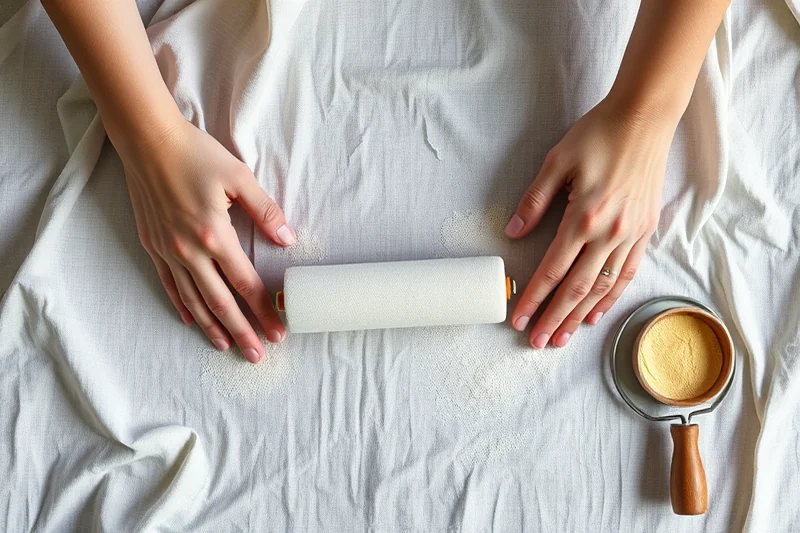
I’ve experimented with both brushes and rollers for applying these paints, and each has its own advantages. For chalk mineral paint, I found that using a high-quality brush gave me the most control, especially when working on intricate details or smaller pieces. The paint flows smoothly, but it’s a bit thicker than regular chalk paint, which means it can be a bit more challenging to apply with a roller. I ended up using a brush for the majority of my projects, and it worked well.
With chalk paint, a roller is often the go-to tool because of its even coverage. I found that it’s much easier to apply in large areas or on flat surfaces using a roller. However, I’ve noticed that it can be a bit too thin for some applications, which means that it may require more coats than chalk mineral paint. I’ve learned to apply it in thin, even layers to avoid streaks or uneven coverage.
No matter which paint you choose, it’s important to let each coat dry completely before applying the next. I’ve made the mistake of applying too many coats too quickly, and the result was a dull, patchy finish. The key is to be patient and allow each layer to set before moving on. This will give you the best results and ensure that your project looks its best.
Related: Furniture flipping for dummies
The Cost and Value of Each Paint Type
When I first started using these paints, I was surprised by how affordable they were. Chalk mineral paint tends to be slightly more expensive than regular chalk paint because of the higher concentration of minerals and the more refined finish it provides. However, I’ve found that the price difference is minimal, and it’s often worth the extra cost for the durability and appearance it offers. I’ve used both types of paint on several projects, and while I prefer chalk mineral paint for its longevity, I’ve found that chalk paint is still a great value for the price.
One thing to keep in mind is that the cost of these paints can vary depending on the brand. Some high-end brands may charge more for their products, but the difference in quality isn’t always worth the price. I’ve found that a few budget-friendly brands offer excellent results without breaking the bank. When I’m shopping for paint, I always read reviews and compare prices to find the best option for my project.
In terms of value, both paints are excellent choices for DIY projects. They’re easy to use, don’t require special preparation, and can be applied to a wide range点 of surfaces. Whether you’re working with wood, metal, or even glass, both types of paint can be used effectively. The key is to choose the right one for your project and apply it properly to get the best results.
⭐ Classic
The traditional chalk mineral paint finish with a natural, aged look.
💰 Budget
An affordable version of chalk mineral paint with a slightly less refined finish.
⚡ Extra-Fast
A quick-drying version of chalk paint for fast results.
✨ Depth
A high-quality chalk mineral paint with a deeper, more opaque finish.
🥗 Light
A lighter, more sheer version of chalk paint for a subtle look.
| The mistake | Why it happens | The fix |
|---|---|---|
| Applying too much paint in one go | Over-applying paint can lead to an uneven finish or even cracking, especially with chalk mineral paint. | Apply paint in thin, even layers and allow each coat to dry completely before adding the next one. |
| Not cleaning the surface properly before painting | If the surface is dirty or dusty, the paint won’t adhere properly, leading to peeling or flaking. | Always clean and sand the surface thoroughly before applying paint to ensure a smooth, even finish. |
| Using the wrong brush or tool for the paint type | Using the wrong tool can lead to uneven coverage or streaks, especially with chalk mineral paint. | Use a high-quality brush for chalk mineral paint and a roller for chalk paint to achieve the best results. |
| Not allowing the paint to dry completely before use | Using the painted item too soon can cause smudging or damage to the finish. | Wait at least 24 hours before using the painted item to ensure the paint is fully dry and set. |
Materials & Tools tap to check off
- 1 lb Chalk mineral paint
- ½ cup Water
- Brush (optional)
Method tap a step when done
- Mix the chalk mineral paint with water in a bowl or container until it reaches a smooth, even consistency.
- Use a brush to apply the paint to the desired surface in thin, even layers.
- Allow each coat to dry completely before applying the next coat.
- Once the final coat is dry, gently sand the surface to achieve a smooth finish.
- Wipe away any excess paint with a damp cloth if needed.
- Let the surface dry completely before using it.
Key Facts
Related: DIY chalk paint methods
Essential Chalk Mineral Paint Vs Chalk Paint
Related: Best way to seal painted furniture
Common Questions
Can I use chalk paint on metal surfaces?
How many coats of chalk mineral paint should I apply?
Can I mix chalk paint and chalk mineral paint together?
How long does chalk mineral paint last on furniture?
References
- (PDF) PAINTS, ITS CONSTITUENTS & FUNCTION - Academia.edu (academia.edu)
- Microsoft Word - Paint Assignment.doc - Carleton College (cdn.serc.carleton.edu)
- Inorganic Pigments - Rice University (chemart.rice.edu)
- Gypsum | Common Minerals (commonminerals.esci.umn.edu)
- PDF Art and Craft Safety Guide - CPSC (cpsc.gov)
Cite this guide
Flipper Lane (2026). Essential Chalk Mineral Paint Vs Chalk Paint. https://flipperlane.com/essential-chalk-mineral-paint-vs-chalk-paint/
Feel free to cite or share this guide.
Price your next flip
Free Furniture Flip Profit Calculator. No sign-up, nothing to install; it runs in your browser.