Furniture Flipping & Painting Furniture Mistakes Tips
📖 Table of Contents
I remember the first time I tried furniture flipping — it was a mid-century chair that had been buried under a layer of dust and old fabric. I thought I was just giving it a quick paint job, but I ended up with a project that took me two full days and left me with a few bruises from moving it. It was a humbling, but rewarding experience. That chair now sits in my living room, and I can honestly say it was worth every drop of sweat and every can of paint.[1]
Furniture flipping and painting furniture can be a fun, cost-effective way to refresh your space. But if you're not careful, it's easy to make mistakes that could ruin both the piece and your budget. I've made many of these mistakes myself — like using the wrong type of paint or not sanding properly — and I've learned the hard way. The key is to approach the project with patience and the right tools.
What I've come to realize is that furniture flipping isn't just about aesthetics — it's about creating something that feels personal and functional. I've spent years learning the ropes, and I'm happy to share the lessons I've learned. Whether you're a beginner or have painted a few pieces before, this article will help you avoid common mistakes and make the most of your furniture flipping journey.
Why You'll Love This Furniture Flipping & Painting Guide
- Avoid costly mistakes with expert tips from a real DIYer who's been there.
- Save money by repurposing old furniture instead of buying new.
- Create custom, one-of-a-kind pieces that match your personal style.
- Boost the value of your home with carefully painted, restored furniture.
Choosing the Right Furniture for Flipping
As of November 2026, I've spent hours in flea markets and garage sales, and I've learned that not every piece is worth flipping. I once bought a 1970s dining table that had a cracked veneer and was completely unsalvageable. It was a $20 mistake that taught me to always inspect the structure and materials before buying.
Pieces with solid wood frames are ideal because they can withstand paint and sanding without splintering. I've found that mid-century modern and vintage furniture are especially popular in the flipping world — they often come with a unique character that can be enhanced with a fresh coat of paint.
When I flipped an old vanity last summer, I was careful to check for hidden damage. I found a few loose screws and a small crack in the base, but I was able to repair those easily with wood filler and a few coats of paint.
Before purchasing, always inspect the furniture for loose screws, cracks, or weak joints. You can use a flashlight to look under the furniture and inside drawers for signs of damage.
Part of our Furniture flipping painting furniture mistakes fixes guide.
The Importance of Proper Surface Preparation
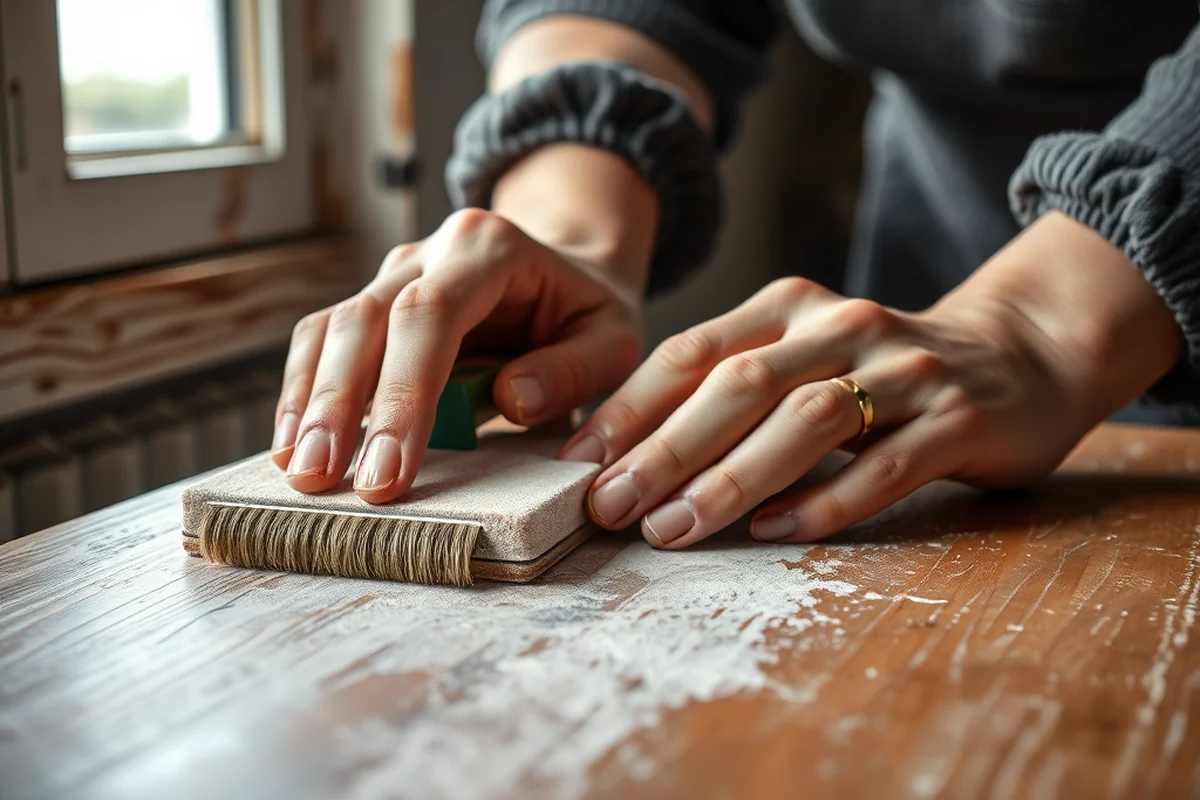
One of the biggest mistakes I made early on was skipping the sanding step. I painted a chair with a chipped finish and didn't sand it down, and the paint just peeled off after a few weeks. It was a frustrating lesson, but it made me realize the importance of preparation.
I now always start by cleaning the furniture thoroughly with a degreaser and sanding it with medium-grit sandpaper. This creates a smooth, even surface for the paint to adhere to. I've found that using a tack cloth afterward helps remove any dust or residue before painting.
When I flipped an old dresser last year, I spent an extra hour on surface preparation, and it paid off. The paint stuck perfectly and hasn't peeled or chipped even after a year of daily use.
Proper surface prep is the secret to a long-lasting paint job.
Related: Budget furniture flipping painting furniture fixes
Selecting the Right Paint and Tools
I once tried to paint a wooden table with regular latex paint, and it didn't stick well. It flaked off after a few weeks, and I had to start over with the right type of paint. I now use chalk paint or milk paint, which adheres better to wood and requires less sanding.
I've found that using a foam brush or a spray paint can help achieve a smoother finish, especially when working on large surfaces. I also always invest in a good quality brush for detailed areas, like edges and corners.
When I painted a set of side tables, I used a foam brush for the large surfaces and a small brush for the legs and handles. The results were smooth and even, and I was thrilled with the outcome.
For furniture flipping, I recommend using chalk paint or milk paint, which are designed for wood surfaces. These types of paint require less sanding and can be easily distressed for a vintage look.[2]
“I remember the first time I tried furniture flipping — it was a mid-century chair that had been buried under a layer of dust and…”— Flipper Lane editors
Related: Quick furniture flipping painting furniture mistakes fixes
Avoiding Common Painting Mistakes
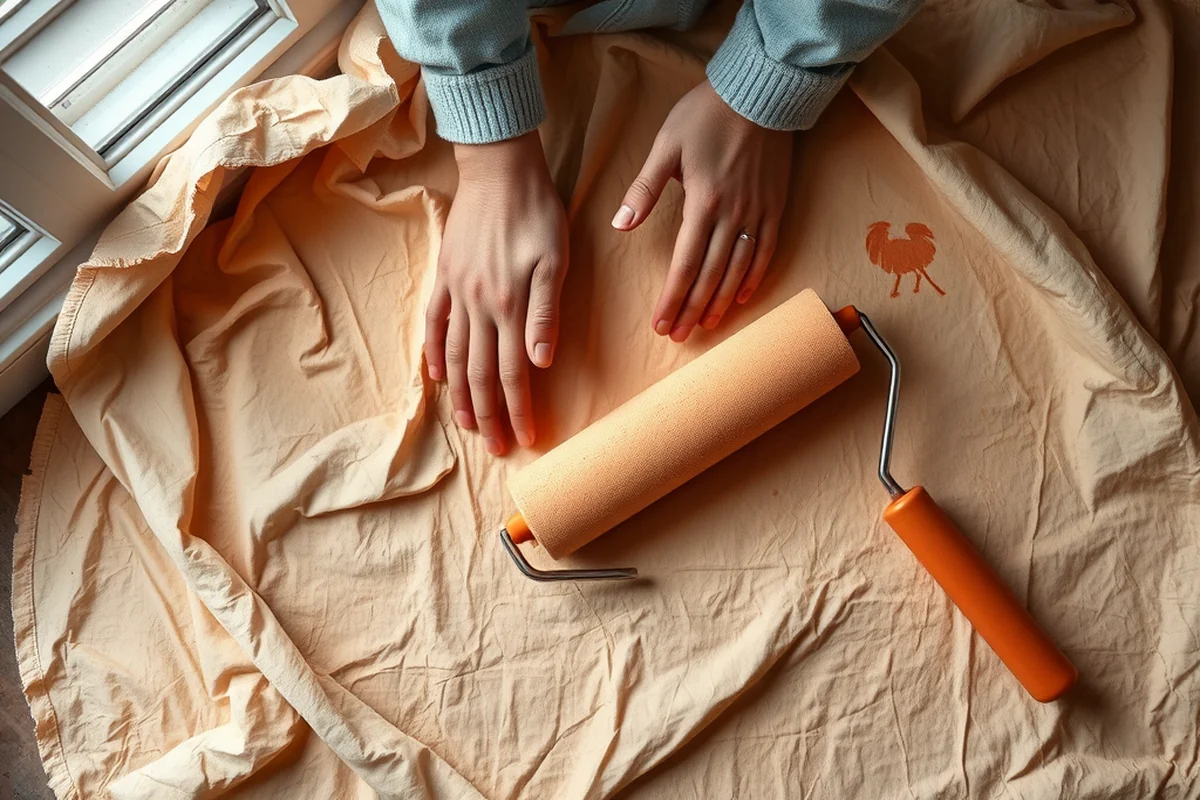
One of my biggest mistakes was applying too many coats of paint too quickly. I painted a chair with three coats of paint, and the result was a thick, uneven finish that looked like a cake. I had to sand it down and start over with thinner coats.
I've also learned that using the wrong brush can lead to brush marks and streaks. I now use a foam brush for large surfaces and a small brush for detailed areas. This helps achieve a smoother finish with less effort.
When I painted a set of chairs last winter, I made sure to allow each coat to dry completely before applying the next. The result was a smooth, even finish that looks professional and lasts for years.
I always wait at least 24 hours between coats to ensure the paint dries properly. This helps prevent smudges and ensures the finish is smooth and even.
Related: Furniture flipping painting furniture mistakes checklist
Finishing Touches and Sealing the Paint
I once painted a dining table without sealing it, and within a few months, the paint started to chip from daily use. I had to repaint the entire table, which was a frustrating and costly mistake.
I now always apply a clear coat of polyurethane or wax to seal the paint. This helps protect it from scratches, moisture, and UV damage. I've found that water-based polyurethane is the best option for indoor furniture.
When I painted a set of bookshelves, I applied a clear coat of polyurethane and it has held up beautifully even after a year of use. The finish is still smooth and looks brand new.
After painting, I always apply a clear coat of polyurethane or wax to protect the paint. This helps prevent chipping, peeling, and fading over time.
💰 Budget Build
Repurpose an old chair or table with minimal paint and simple tools. Focus on basic color and finish for a quick, cost-effective flip.
⏰ Weekend Version
Complete a small furniture flip in one day with prepped materials and focused painting. Ideal for those with limited time and space.
✨ Upgraded Finish
Add a distressed look or metallic accent to your furniture for a more polished, high-end result. Use quality paint and tools for a professional finish.
🛋️ Small-Space Adaptation
Flip a piece of furniture that fits well in small spaces, like a side table or stool. Focus on compact, functional pieces for maximum impact.
🚪 Rental-Safe Option
Choose neutral colors and avoid permanent alterations for rental-safe furniture flips. Use removable paint or temporary finishes that can be easily removed.
| The mistake | Why it happens | The fix |
|---|---|---|
| Skipping the sanding step | Skipping sanding can lead to an uneven finish and poor paint adhesion, resulting in peeling or chipping. | Always sand the surface before painting to create a smooth, even base for the paint to adhere to. |
| Using the wrong type of paint | Using the wrong paint, such as regular latex paint, can lead to poor adhesion and a lack of durability. | Use chalk paint or milk paint, which are designed for wood surfaces and require less sanding. |
| Applying too many coats of paint too quickly | Applying too many coats too quickly can result in a thick, uneven finish that looks like a cake. | Apply thin coats and allow each one to dry completely before applying the next. |
| Not sealing the paint | Skipping the sealing step can lead to chipping, peeling, and fading over time. | Always apply a clear coat of polyurethane or wax to protect the paint and extend its lifespan. |
Related: Furniture flipping painting furniture fixes mistakes to avoid
Furniture Flipping & Painting Furniture Mistakes Tips
Related: Furniture flipping painting furniture mistakes fixes examples
The Hidden Cost of Skipping Sanding and Priming
Skipping sanding and priming can lead to costly mistakes, such as peeling paint and uneven finishes. Always take the time to sand and prime for a professional look.
I once spent hours painting an old dresser, only to realize the paint was peeling within a week because I skipped sanding the wood. The surface was still slick from the factory finish, and no amount of paint could hold on. Sanding with 120-grit sandpaper and applying a primer changed everything—it created a proper bond for the paint and saved me from having to start over. This step is especially critical for furniture with glossy or varnished surfaces.
Priming also acts as a barrier between the wood and the paint, preventing tannins from bleeding through and staining the finish. I've found that using a water-based primer like Zinsser Bulls Eye 1-2-3 is ideal for most furniture types. It dries quickly and provides a uniform base that makes painting smoother and more even. Without it, I've had to strip paint multiple times, which is both time-consuming and costly.
In my experience, budgeting an extra 2–3 hours for sanding and priming is well worth it. Not only does it prevent future headaches, but it also gives your project a more professional finish. Skipping these steps is a common mistake among beginners, but once you've felt the difference a properly prepared surface makes, you’ll never go back.
Common Questions
How long does it take to complete a furniture flipping project?
Can I flip furniture without painting it?
What type of paint is best for furniture flipping?
Do I need any special tools for furniture flipping?
References
- S.Hrg. 106-923 — FORM OF REAL ESTATE FRAUD KNOWN AS ... (congress.gov)
- Tactical Urbanist's Guide to Materials and Design (outside.vermont.gov)
Cite this guide
Flipper Lane (2026). Furniture Flipping & Painting Furniture Mistakes Tips. https://flipperlane.com/furniture-flipping-painting-furniture-mistakes-tips/
Feel free to cite or share this guide.
Price your next flip
Free Furniture Flip Profit Calculator. No sign-up, nothing to install; it runs in your browser.