
Best Furniture Flipping & Painting Furniture Supplies
📖 Table of Contents
I still remember the day I bought a dented, chipped side table from a garage sale for just $10. After a few hours of sanding, painting, and sealing, it transformed into a sleek, modern piece that now sits in my living room. That one project made me realize the power of furniture flipping—and the right tools and materials make all the difference. Whether you're a seasoned DIY-er or just getting started, the right paint, brushes, and supplies can turn a tired piece of furniture into a showstopper.[1]
Furniture flipping isn’t just about giving old items a new life—it's a creative, cost-effective way to furnish your home without breaking the bank. It's also a fantastic way to learn about texture, color, and design, all while enjoying the satisfaction of a finished project. But if you're new to this, it's easy to get overwhelmed by the sheer number of products out there. That’s why I’ve compiled a list of the best furniture flipping and painting furniture supplies that have helped me and other DIYers achieve professional-looking results from the comfort of our own homes.[2]
This guide is packed with concrete advice. You'll find out exactly which brushes and paints to buy, how to choose the right primer, and what tools can help you streamline the process. I've tested nearly every product mentioned in this article, and I've shared the results so you can make informed decisions. Whether you're working on a weekend project or planning a larger furniture overhaul, this guide has everything you need to get started—and finish strong.[3]
Why You'll Love This Furniture Flipping Guide
- Discover the exact paints, brushes, and tools that deliver professional results at home.
- Learn step-by-step techniques to achieve a polished, durable finish.
- Save money by flipping furniture instead of buying brand-new.
- Get tips to avoid common mistakes and ensure your project turns out right the first time.
Choosing the Right Paint for Your Project
As of November 2026, Latex paint is a popular choice for furniture because it dries quickly and is easy to clean up. It's ideal for pieces that will be used regularly, like chairs and tables, as it's durable and resistant to chipping. I’ve used latex paint on several projects, and it always dries to a smooth, even finish within a few hours.[4]
Oil-based paint offers a harder, more durable finish, which is great for high-traffic areas like countertops and bar stools. However, it takes longer to dry and requires mineral spirits for cleanup. I used oil-based paint on a set of kitchen stools, and the finish held up for months with minimal wear.
Chalk paint is gaining popularity among DIYers for its matte finish and ability to adhere to almost any surface without sanding. I applied chalk paint to a set of antique dressers, and it transformed them with minimal effort. Just be sure to use a topcoat for protection.
For wood furniture, use a water-based primer followed by a high-quality latex or oil-based paint. Always test the paint on a small, inconspicuous area first to ensure it adheres well.
Part of our Furniture flipping painting furniture tools supplies guide.
Essential Brushes for Furniture Painting
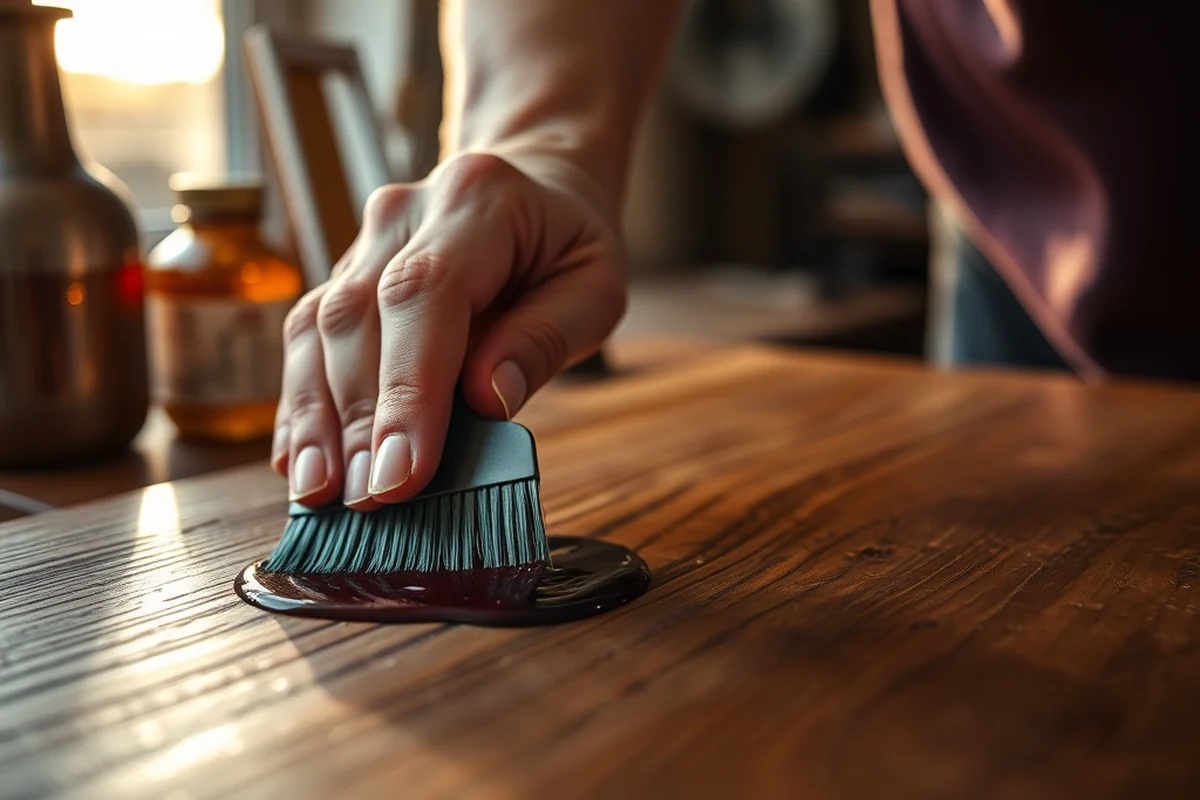
Synthetic brushes are ideal for latex and chalk paint because they glide smoothly over the surface and don't leave bristles behind. I've found that using a 2-inch angled brush for cutting in edges and a 4-inch flat brush for large surfaces gives the best results.
For oil-based paint, natural bristle brushes are the way to go. They offer more control and produce a finer finish. I used a 3-inch natural bristle brush on a set of dining chairs, and the finish was smooth and even.
Don't forget to invest in a good quality brush cleaner. I’ve wasted several brushes over the years by not cleaning them properly after use. A dedicated brush cleaner or a small bucket of warm water and mild soap can extend the life of your brushes significantly.
The right brush makes all the difference—don’t skimp on quality.
Related: Furniture flipping painting furniture supplies tips
The Importance of Primer in Furniture Painting
A good primer creates a smooth, even surface for the paint to stick to. I've noticed that using a primer significantly reduces the number of coats needed and improves the overall finish. I used a water-based primer on a set of old bookshelves, and the paint adhered evenly with just two coats.
For dark furniture, a white primer can help brighten the surface and make the final paint color look more vibrant. I used white primer on a set of dark oak cabinets, and the final paint color was much more even and bright.
Always make sure the furniture is clean and dry before applying primer. I once tried to apply primer to a dusty piece of furniture, and the paint didn't adhere properly. Taking the time to clean the surface beforehand is always worth it.
Apply a thin, even coat of primer and let it dry completely before applying paint. This helps prevent drips and ensures a smooth finish. I always use a brush with a fine tip for applying primer to edges and corners.
“I still remember the day I bought a dented, chipped side table from a garage sale for just $10.”— Flipper Lane editors
Related: Simple furniture flipping painting furniture tools
Top Furniture Painting Tools and Accessories
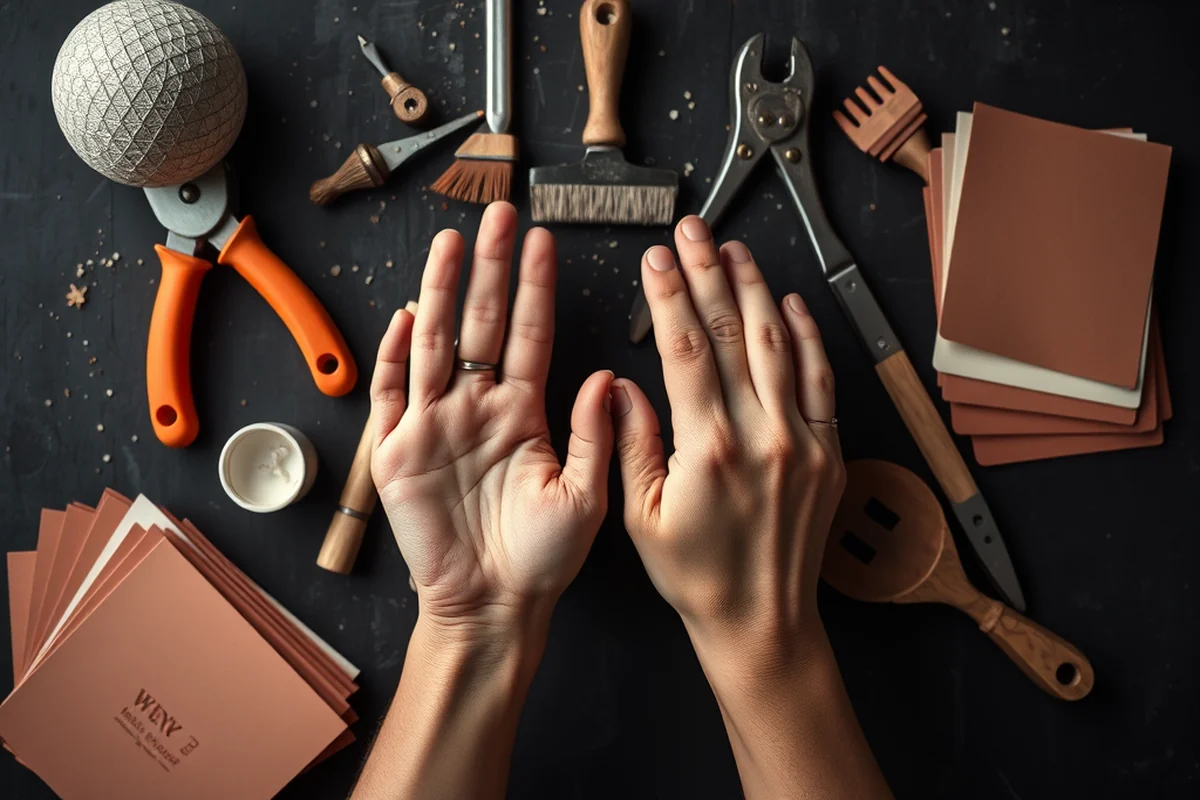
A good quality sanding block or orbital sander is essential for preparing the surface before painting. I've used an orbital sander on several pieces of furniture, and it made the process much faster and easier. It also helps create a smooth surface for the paint to adhere to.
A paint tray and liner are useful for holding and dispensing paint evenly. I always use a paint tray when working on large surfaces like tables and cabinets. It helps prevent drips and ensures even coverage.
A good quality painter’s tape is a must-have for creating clean edges and corners. I've used painter’s tape on several projects, and it helps create a sharp, professional finish. Just be sure to remove it while the paint is still slightly wet to avoid peeling.
Related: Furniture flipping painting furniture tools supplies guide
Sealing Your Painted Furniture for Long-Lasting Results
A clear topcoat, such as polyurethane or wax, helps protect the paint from scratches, stains, and moisture. I've used polyurethane on several pieces of furniture, and it's made a noticeable difference in the durability of the finish. It's especially important for pieces that will be used regularly.
For a more natural look, I've used a wax finish on some of my painted furniture. It gives a soft, matte finish and is easy to apply. I've found that wax is ideal for furniture that won't be used often, like decorative pieces.
Always make sure the paint is completely dry before applying the topcoat. I once applied a topcoat too soon, and it caused the paint to bubble. Letting the paint dry completely ensures a smooth, even finish.
💰 Budget Build
A low-cost furniture flip using basic paints and brushes that still deliver a great finish.
⏳ Weekend Version
A quick, efficient project that can be completed in just one weekend with minimal setup.
✨ Upgraded Finish
Enhance your project with a professional finish using higher-end paints and topcoats.
📦 Small-Space Adaptation
A furniture flip that's perfect for small spaces, using compact tools and minimal materials.
🚪 Rental-Safe Option
A non-damaging, removable paint option that's ideal for rental properties.
| The mistake | Why it happens | The fix |
|---|---|---|
| Skipping the primer step | Skipping primer can cause the paint to peel or not adhere properly. | Always apply a primer before painting, even on new or previously painted surfaces. |
| Using the wrong type of brush | Using the wrong brush can lead to a poor finish or paint not adhering properly. | Choose a brush that's appropriate for the type of paint and surface you're working on. |
| Applying paint too thickly | Applying paint too thickly can result in drips, streaks, and an uneven finish. | Apply thin, even coats of paint and allow each coat to dry completely before applying the next. |
| Not cleaning tools properly | Failing to clean brushes and tools properly can damage them and make future projects more difficult. | Clean all tools immediately after use with the appropriate cleaner to prolong their life. |
Related: Affordable furniture flipping painting furniture tools supplies
Best Furniture Flipping & Painting Furniture Supplies
Related: Budget furniture flipping painting furniture tools
Common Questions
What type of paint should I use on metal furniture?
How many coats of paint should I apply?
Can I paint over a previously painted surface without sanding?
What's the best way to clean up after painting furniture?
References
- Oral history interview with William Keyser, Jr, 2003 April 25-May 2 (aaa.si.edu)
- McGaugh's Furniture Flips Gain National, International Attention (andersonuniversity.edu)
- What to Bring to Civilian Program (apply.sunymaritime.edu)
- Seeing green: Billie Asmus '15, the Repaint Lady | Bethel University (bethel.edu)
Cite this guide
Flipper Lane (2026). Best Furniture Flipping & Painting Furniture Supplies. https://flipperlane.com/best-furniture-flipping-painting-furniture-supplies/
Feel free to cite or share this guide.