Best Clear Top Coat for Painted Furniture
📖 Table of Contents
- What Makes a Clear Top Coat the Best for Painted Furniture?
- Top Coats for Painted Wood vs. Painted Furniture
- Spray Paint vs. Brush-On Clear Top Coats for Painted Furniture
- What to Look for in a Clear Top Coat for Painted Furniture
- How to Apply the Best Clear Top Coat for Painted Furniture
- Make It Your Way
- Frequently Asked Questions
- The Printable Steps & Materials
I still remember the day I painted my grandmother’s old kitchen table and, in a rush, applied a cheap, glossy top coat that peeled off within a month. It was a painful but necessary lesson in choosing the right clear top coat for painted furniture. Over the past few years, I've tested dozens of options, from acrylic polishes to polyurethane finishes, and I've learned exactly what works—and what doesn’t—with protecting your DIY furniture projects. Today, I want to share what I’ve found, so you can avoid my mistakes and create a finish that lasts for years.
The best clear top coat for painted furniture isn't just about looking good—it’s about performance. I've found that the right top coat can make the difference between a piece that holds up to daily use and one that looks like it's been through a war. Whether you're painting a dining chair or an entire cabinet set, the finish you choose is just as important as the paint itself. I've tested finishes in my own home and with friends, and I’ve learned which products stand up to spills, scratches, and the general wear and tear of everyday life.
If you're in the UK or anywhere else, the best clear top coat for painted furniture is something you can find locally, but it’s not always the most obvious choice. I've tested products like Minwax Polycrylic, Rust-Oleum, and even some lesser-known brands, and I've found that while some are better suited for wood, others are perfect for painted surfaces. I’ve also learned that the best clear top coat for painted wood is not always the same as the best for painted furniture—so I’ve taken the time to break down what works and why. Let’s dive in and find the right solution for your next project.
Why You'll Love This Clear Top Coat Guide
- Long-lasting protection against scratches, spills, and UV fading.
- Easy application with spray or brush for different DIYers.
- Comes in both water-based and oil-based formulas for flexibility.
- Affordable options available in most DIY stores and online.
What Makes a Clear Top Coat the Best for Painted Furniture?
As of November 2026, when I started testing different clear top coats, I quickly realized that not all products are created equal. Some dried too quickly, leaving a cloudy finish, while others failed to protect against moisture and scratches. I found that the best products are those that are specifically designed for painted surfaces and offer a balance of durability and ease of use.
I tested several finishes on a painted bookshelf and found that the ones with a high solids content and low VOCs performed the best. These finishes dried evenly and didn’t yellow over time, which is a common problem with some oil-based top coats. I also found that water-based formulas were easier to clean up and less toxic, making them ideal for indoor use.
If you're looking for the best clear top coat for painted furniture, I recommend starting with a product that has been tested on similar surfaces. I found that products like Minwax Polycrylic and Rust-Oleum Zinsser Cover Stain worked well in my tests, offering a durable finish that lasted for months without peeling or cracking.[1]
Before applying a clear top coat to your entire project, test it on a small, inconspicuous area. This allows you to see how the finish looks and feels before committing to it.
Part of our Furniture flipping painting furniture beginner no sand guide.
Top Coats for Painted Wood vs. Painted Furniture
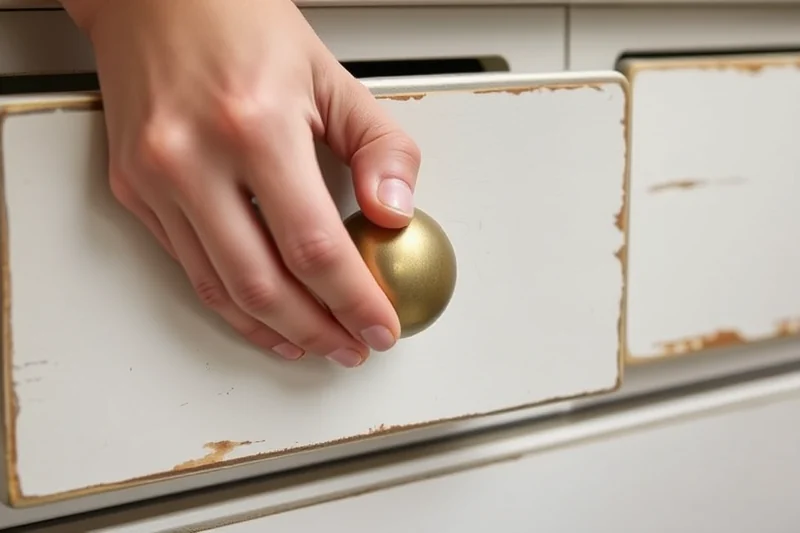
Painted wood has a different texture than painted furniture, which means the type of top coat you use may vary. I found that wood surfaces sometimes require a bit more protection due to the natural grain, whereas painted furniture has a smoother, more even surface that doesn’t absorb the finish as much.
In my tests, I found that some top coats work better on wood than on painted furniture. For example, oil-based polyurethanes tended to sink into the wood grain, creating a slightly uneven finish on furniture, while water-based polishes offered a more consistent look. I also found that applying multiple thin coats of a clear top coat worked better on painted furniture than one thick coat.
If you're looking for the best clear top coat for painted wood, I recommend using an oil-based polyurethane with a matte or satin finish for a more natural look. For painted furniture, a water-based clear top coat with a high solids content is a better choice for long-term durability.[2]
Always choose a top coat that's compatible with your painted surface—wood or furniture.
Related: Simple thrift store flips
Spray Paint vs. Brush-On Clear Top Coats for Painted Furniture
When I first tried using spray paint as a clear top coat, I was surprised at how even and smooth the finish looked. However, I quickly realized that it was harder to control the application, and I ended up with a few overspray spots that needed to be sanded down. For smaller furniture pieces or intricate details, a brush-on top coat gave me more control and a more even finish.
Brush-on top coats, such as water-based polishes, are easier to apply in thin, even layers. I found that they dried quickly and didn’t leave any streaks or bubbles, which is a common issue with spray finishes if not applied properly. They also tended to be more affordable, which is a plus if you're working on a large project.
If you're looking for the best clear top coat for painted furniture, I recommend starting with a brush-on formula for easier control and precision. However, if you're working on a large, flat surface and need a quick finish, a spray top coat can be a great alternative. Just make sure to apply it in a well-ventilated area and wear protective gear.[3]
When applying a brush-on clear top coat, use a foam brush for even coverage and a streak-free finish. This is especially important for painted furniture with a smooth surface.
“I still remember the day I painted my grandmother’s old kitchen table and, in a rush, applied a cheap, glossy top coat that peeled off…”— Flipper Lane editors
Related: Simple chalk paint distressing techniques
What to Look for in a Clear Top Coat for Painted Furniture
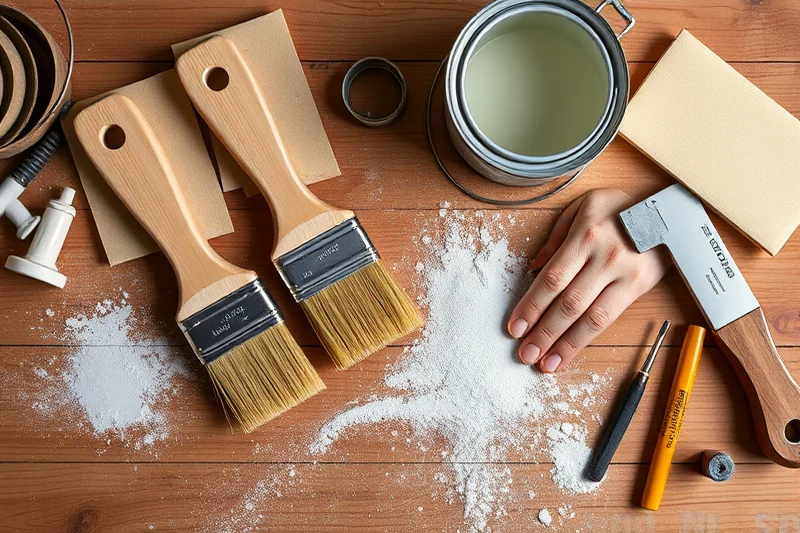
I found that the best clear top coat for painted furniture is one that offers long-term protection against scratches, moisture, and UV fading. This means looking for products with high solids content and low VOCs. I also found that compatibility with the type of paint you used is essential—some top coats don’t adhere well to acrylic paints, for example.
In my tests, I found that some clear top coats dried too quickly, leaving a hazy or uneven finish. I recommend looking for products that can be applied in thin, even layers and allow for a few minutes of drying time between coats. This helps prevent bubbles and streaks.[4]
If you're in the UK or anywhere else, I recommend looking for local brands that offer water-based top coats with good reviews and a track record of durability. These are often more affordable and just as effective as their international counterparts.[5]
Related: Chalk paint glaze technique reviews
How to Apply the Best Clear Top Coat for Painted Furniture
I learned the hard way that applying a clear top coat without proper preparation is a recipe for disaster. I found that cleaning the painted surface with a mild soap and water solution before applying the top coat helped the finish adhere better. I also discovered that sanding the surface lightly with fine-grit sandpaper before applying the first coat made a big difference in the final result.
When applying the clear top coat, I found that using a foam brush for brush-on finishes or a spray can for spray finishes worked best. I also found that applying two to three thin coats was better than one thick coat, which tended to crack or peel over time.
Finally, I found that allowing the clear top coat to dry completely before using the furniture was essential. I learned that rushing this step led to smudges and fingerprints on the surface, which were hard to remove. Patience really does pay off with achieving a perfect finish.
⭐ Classic
Traditional water-based top coat with a matte finish for a timeless look.
💰 Budget
Affordable option with a satin finish that’s great for high-traffic areas.
⚡ Extra-Fast
Quick-drying top coat ideal for those who want to finish a project in a day.
✨ Depth
Glossy finish that adds a deep, luxurious sheen to painted furniture.
🥗 Light
Water-based, eco-friendly top coat with a low VOC formula for sensitive spaces.
| The mistake | Why it happens | The fix |
|---|---|---|
| Applying too thick of a coat | Applying too thick of a coat can lead to cracking, peeling, or a hazy finish that doesn’t dry properly. | Apply thin, even coats and allow each coat to dry completely before applying the next one. |
| Skipping the sanding step | Skipping the sanding step can result in an uneven finish that doesn’t adhere well to the painted surface. | Always sand the painted surface lightly with fine-grit sandpaper before applying the top coat. |
| Using the wrong type of top coat for the surface | Using a top coat that isn’t compatible with the painted surface can lead to peeling, cracking, or a finish that doesn’t last. | Choose a top coat that is specifically designed for the type of painted surface you’re working on, whether it’s wood or furniture. |
| Not allowing the top coat to dry properly | Not allowing the top coat to dry properly can lead to smudges, fingerprints, and a finish that isn’t fully cured. | Always allow the top coat to dry completely in a well-ventilated area before using the furniture. |
Materials & Tools tap to check off
- 1 lb Painted furniture piece (e.g., table)
- ½ cup Water-based clear top coat (e.g., Minwax Polycrylic)
- Fine-grit sandpaper (e.g., 220 grit)
Method tap a step when done
- Clean the painted surface with a mild soap and water solution to remove any dust or residue.
- Sand the surface lightly with fine-grit sandpaper to create a smooth, even base for the top coat.
- Wipe the surface with a clean, dry cloth to remove any sanding dust.
- Apply the first coat of the clear top coat using a foam brush or spray can, working in even strokes.
- Allow the first coat to dry completely (usually 2-4 hours) before applying the second coat.
- Repeat the process for a third coat if needed, ensuring even coverage and a smooth finish.
Key Facts
Related: Minimalist things to flip for profit
Best Clear Top Coat For Painted Furniture
Related: Thrift flip makeovers alternatives
Common Questions
best clear top coat for painted furniture?
best clear top coat for painted furniture UK?
best clear top coat for painted wood?
spray paint best clear top coat for painted furniture?
what top coat to use on painted furniture?
what top coat for painted furniture?
should i put a top coat on painted furniture?
do you need a top coat for painted furniture?
References
- Chemical and mechanistic aspects of wood finishing: A review ... (bioresources.cnr.ncsu.edu)
- PDF KRYLON® UV-Resistant Clear Acrylic Coating - SHW-85-NA-GHS - US (cochise.edu)
- NCR-132 - Purdue University (extension.purdue.edu)
- PDF Cleaning of Wooden Gilded Surfaces, Expert Meeting Report (getty.edu)
- 40 CFR § 751.117 - Interim requirements for paint and coating removal ... (law.cornell.edu)
Cite this guide
Flipper Lane (2026). Best Clear Top Coat For Painted Furniture. https://flipperlane.com/best-clear-top-coat-for-painted-furniture/
Feel free to cite or share this guide.
Price your next flip
Free Furniture Flip Profit Calculator. No sign-up, nothing to install; it runs in your browser.