
Acrylic Paint On Fabric
📖 Table of Contents
I remember the first time I painted on fabric — it was a frayed old denim jacket I bought at a thrift store for $3. I had no idea what I was doing, but I was determined to turn it into something unique. I bought a few bottles of acrylic paint from the local craft store, expecting the worst. What I didn’t know at the time was that I was about to discover a whole new world of creativity, one that would change the way I see fabric forever.[1]
Acrylic paint on fabric is a game-changer for anyone who loves DIY. Whether you're a beginner with a passion for personalizing your wardrobe or an experienced crafter looking for a new medium, this technique offers endless possibilities. It's not just about making a shirt look cool — it's about transforming fabric into something that reflects your personality, style, and even your story.
I learned the hard way that not all acrylic paints are created equal, and I made a few mistakes along the way. But now, I can confidently say that with the right supplies, techniques, and a little patience, you can achieve professional-looking results from the comfort of your own home. This article is a culmination of everything I've learned, and I hope it helps you avoid the same pitfalls and enjoy every step of the process.
Why You'll Love This DIY Project
- It's an affordable way to create unique, one-of-a-kind pieces of clothing or home décor.
- You can customize anything from t-shirts to tote bags, giving old items new life.
- The results are permanent and washable, so your creations can last for years.
- It's a great way to express your creativity without needing advanced skills or expensive equipment.
What You Need to Get Started
As of September 2026, to get started with acrylic paint on fabric, you'll need a few essential supplies. First, you'll need fabric medium — this is crucial because it makes the paint washable and prevents it from cracking over time. I always buy it from the same brand as my paint to ensure compatibility.
Next, you'll need acrylic paint in the colors of your choice. I recommend buying a few different shades to experiment with your designs. I've found that using a mix of colors gives you more flexibility and can lead to some unexpected, beautiful results.[2]
A good brush is also important. I prefer a medium-sized brush with a flat tip, which gives me more control over my strokes. I've tried cheaper brushes, and they don't hold up well over time — especially when painting fabric, which requires a bit more pressure.
Invest in a quality brush that can handle the texture of fabric. I found that using a brush with a synthetic bristle works best for acrylic paint, as it holds up better than natural bristles.
Preparing the Fabric
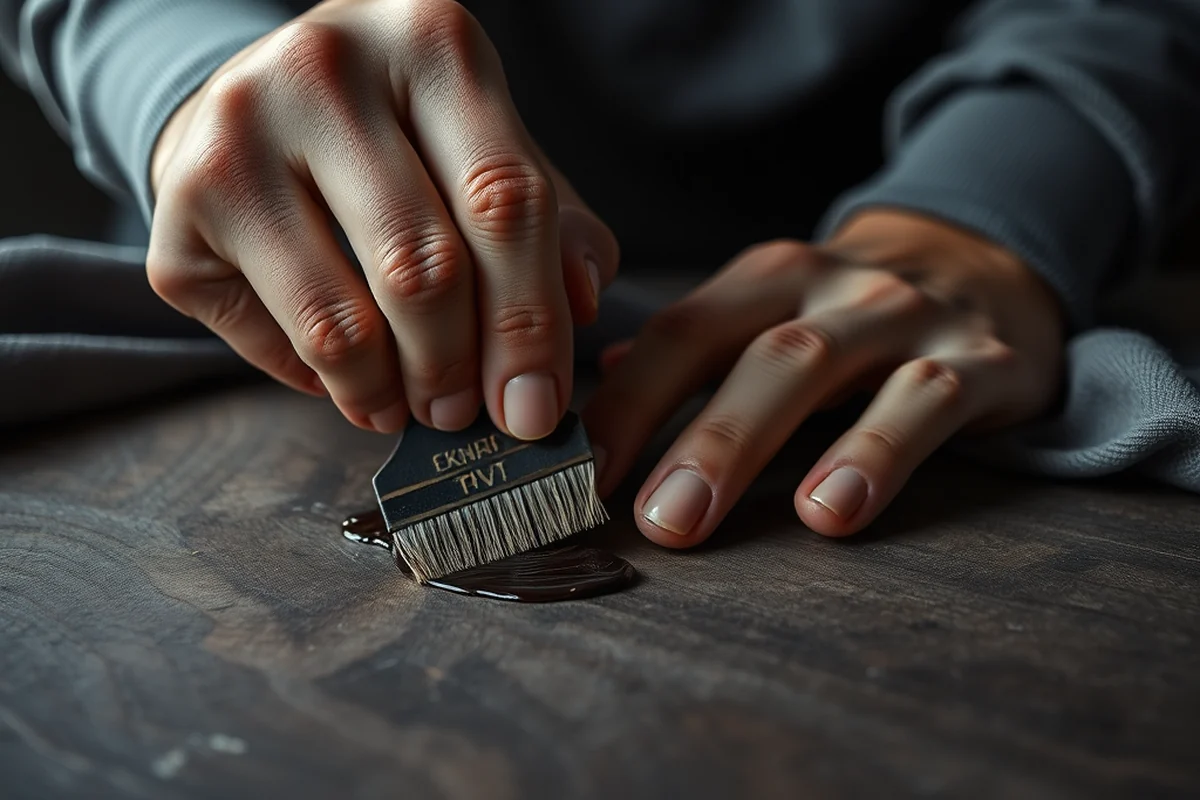
Before you start painting, it's important to prepare your fabric correctly. I always wash and dry the fabric first to remove any sizing or chemicals that might interfere with the paint. This step is crucial — I've seen projects fail because the fabric wasn't clean or properly prepared.
Once the fabric is clean, I iron it to remove any wrinkles. This makes it easier to work with and ensures that the paint goes on smoothly. I've noticed that even the smallest wrinkle can cause the paint to crack or peel later.
I also like to tape off the edges of the fabric with masking tape to keep the paint contained. This helps me avoid getting paint on areas I don't want it on, like the seams or the back of the fabric. It's a small step, but it makes a big difference in the final result.
A little preparation goes a long way in acrylic painting on fabric.
Related: Car coloring sheets
Related: Kleki Paint Tool
Mixing Paint and Fabric Medium
Mixing the paint with fabric medium is a crucial step in the process. I always mix them in a 1:1 ratio — one part paint, one part medium. This ensures that the paint is flexible and won't crack over time. I've tried using just paint before, and the results were disappointing — the paint cracked after just a few washes.
I use a small mixing palette to combine the paint and medium. It's important to mix them thoroughly to ensure that the colors are consistent. I've found that using a palette knife instead of a brush helps me mix the paint more evenly, especially when working with darker colors.
Once I've mixed the paint and medium, I let it sit for a few minutes before applying it to the fabric. This allows the medium to fully integrate with the paint, which helps with adhesion and durability. I've noticed that skipping this step can lead to uneven coverage and poor results.
Fabric medium is not optional — it's essential. I've learned through trial and error that skipping it can lead to paint that cracks and peels after a few washes.
“I remember the first time I painted on fabric — it was a frayed old denim jacket I bought at a thrift store for $3.”— Flipper Lane editors
Related: What is kitchen cabinet paint
Painting Techniques and Tips
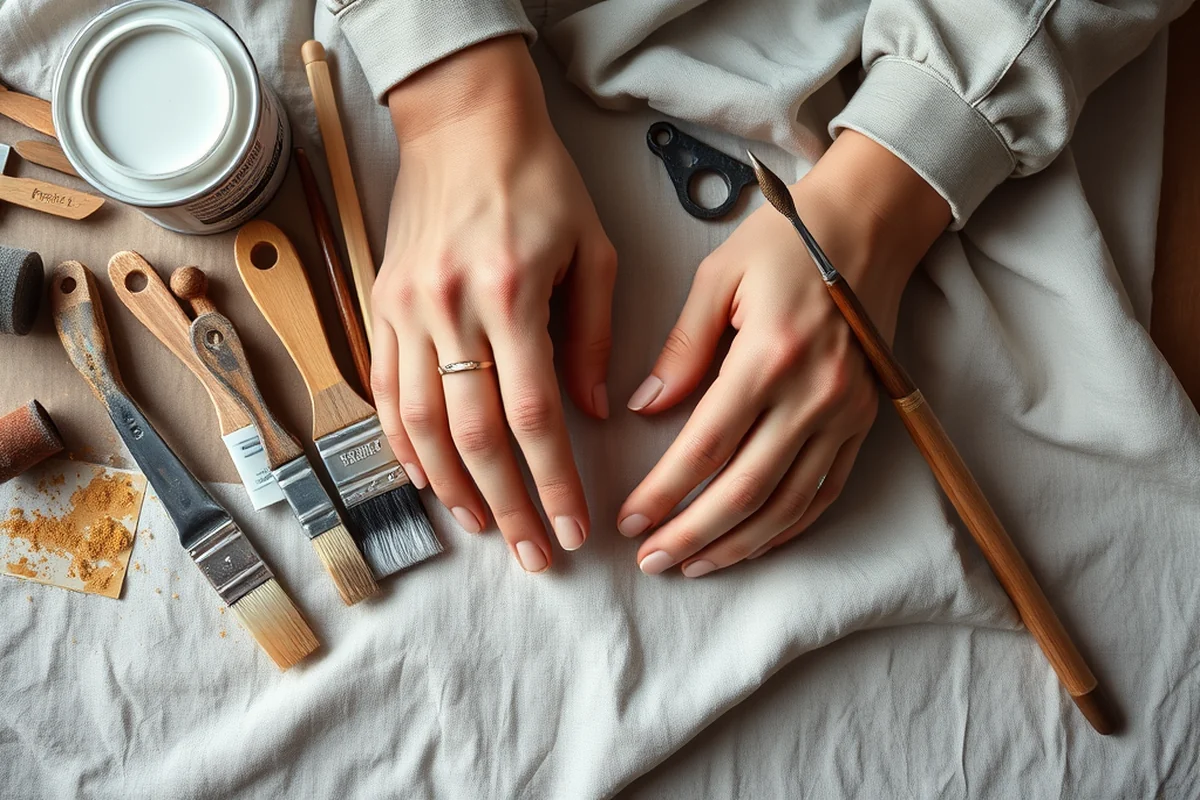
Once your paint is mixed and ready to use, it's time to start painting. I recommend using a light hand — applying too much paint at once can cause it to pool and create a thick, uneven texture. I've found that working in thin layers gives the best results and allows the fabric to breathe.[3]
I always start with the lighter colors first, then move on to the darker ones. This helps me build up the design gradually and avoid overworking the fabric. I've also found that using a brush with a fine tip works well for details, while a larger brush is better for covering larger areas.
It's important to let each layer of paint dry before applying the next one. I've learned that rushing this step can cause the paint to smudge or mix together in unwanted ways. I always take my time and let each layer dry completely before moving on to the next one.
Related: Do fresco paintings use of spray coating
Heat Setting the Paint
After you've finished painting, it's time to heat set the paint. This step is crucial because it helps the paint bond with the fabric and prevents it from fading or peeling over time. I use an iron to heat set my work — it's one of the most effective methods I've found.
To heat set the paint, I place a clean cloth over the painted area and then press the iron over it for about 30 seconds. I repeat this process on both sides of the fabric. I've noticed that skipping this step can lead to paint that fades or rubs off after the first few washes.[4]
I've also tried using a heat press, and it gives even better results — especially for larger projects. I found that the heat press applies even pressure and heat, which helps the paint bond more securely with the fabric. However, an iron is a much more affordable option for most DIYers.
Related: Best paint for the kitchen cabinets
Washing and Caring for Your Painted Fabric
After you've heat set your painted fabric, it's important to care for it properly. I always wash it inside out in cold water — this helps protect the paint from fading or cracking. I've noticed that washing it in warm or hot water can cause the paint to bleed or peel.
I avoid using fabric softener when washing painted fabric, as it can cause the paint to lose its vibrancy over time. I've found that using a mild detergent and washing it separately helps preserve the colors and details of the design.
Once the fabric is washed, I hang it to dry instead of using a dryer. I've learned that the heat from the dryer can cause the paint to crack or flake. Hanging it to dry is gentler and helps maintain the integrity of the design.
Care and maintenance are just as important as the painting itself.
Related: What is cabinet paint
Creative Ideas and Inspiration
One of the best things about acrylic paint on fabric is that the possibilities are endless. I've painted everything from t-shirts to tote bags, and each project has been unique in its own way. I've found that experimenting with different patterns and color combinations can lead to some really striking results.
I love using stencils to create intricate designs on fabric. It's a great way to add detail and structure to your work. I've tried using freehand designs as well, and they can be just as beautiful — it all depends on your personal style and creativity.
I've also experimented with using different brushes and techniques, like splatter painting or using a sponge to create texture. I've found that each technique gives a different look and feel, which can be really fun to explore. The key is to have fun and not be afraid to try something new.
💸 Budget Build
Create a unique piece with minimal cost by using fabric you already own and affordable, basic supplies.
⏰ Weekend Version
Complete the project in a single day by focusing on a simple design and skipping some of the more time-consuming steps.
✨ Upgraded Finish
Add a professional touch with higher-quality paints, heat presses, and detailed stencils for a more polished look.
🏠 Small-Space Adaptation
Work on small projects like keychains or patches that are easy to handle and store in limited spaces.
🧺 Rental-Safe Option
Use washable paints and avoid heat setting to make your painted items safe for rental properties or shared spaces.
| The mistake | Why it happens | The fix |
|---|---|---|
| Skipping the fabric medium | Fabric medium makes the paint washable and prevents it from cracking. Skipping it can lead to faded or peeling paint. | Always mix the paint with fabric medium in a 1:1 ratio. |
| Using the wrong type of paint | Regular acrylic paint is not suitable for fabric. It can crack and fade quickly. | Use fabric paint or mix regular acrylic paint with fabric medium. |
| Applying too much paint at once | Applying too much paint can cause it to pool and create a thick, uneven texture. | Work in thin layers and let each layer dry before applying the next one. |
| Skipping the heat setting step | Heat setting the paint helps it bond with the fabric and prevents it from fading or peeling. | Always heat set the paint using an iron or heat press. |
Acrylic Paint On Fabric
Common Questions
Can I use regular acrylic paint on fabric?
How long does it take for the paint to dry?
Can I paint on any type of fabric?
What should I do if the paint starts to crack?
References
- Report of the State Foundation on Culture and the Arts to the 2023 ... (ags.hawaii.gov)
- 425 Marlborough St #5 Back Bay. - Boston.gov (boston.gov)
- Competitive Implications of Environmental Regulation - EPA (epa.gov)
- FOOD SERVICE ESTABLISHMENTS | Vermont Department of Health (healthvermont.gov)
Cite this guide
Flipper Lane (2026). Acrylic Paint On Fabric. https://flipperlane.com/acrylic-paint-on-fabric/
Feel free to cite or share this guide.