
What Is Kitchen Cabinet Paint
📖 Table of Contents
- What Is Kitchen Cabinet Paint and How Is It Different?
- Why Kitchen Cabinet Paint Is the Best Choice for Your Kitchen
- How to Choose the Right Kitchen Cabinet Paint for Your Project
- How to Prepare Your Cabinets for Painting
- How to Apply Kitchen Cabinet Paint for a Professional Finish
- How to Maintain Your Newly Painted Kitchen Cabinets
- How to Fix Common Issues with Kitchen Cabinet Paint
- Make It Your Way
- Frequently Asked Questions
I remember the first time I painted my kitchen cabinets — I had no idea what I was doing. I stood in front of my kitchen, staring at the worn-out oak cabinets that had seen better days. My goal was simple: make the space feel fresh and modern, and I thought painting was the way to go. But then the questions started — what is kitchen cabinet paint? How is it different from regular paint? I quickly learned that not all paint is created equal, and using the wrong type could lead to peeling, chipping, or a finished look that felt cheap and temporary.[3]
After some trial and error, I discovered that kitchen cabinet paint is specifically formulated to handle the unique conditions of a kitchen. Unlike regular wall paint, it’s designed to be more durable, resistant to moisture, and able to withstand frequent cleaning. I remember the first time I used the right type of paint — it was like watching a transformation happen right in front of my eyes. The cabinets looked new, and the finish felt solid and long-lasting. That was the moment I realized that knowing what kitchen cabinet paint is and how to use it properly could make all the difference.[4]
What is kitchen cabinet paint, you ask? It’s a specialized paint that’s built for the high-traffic, high-moisture environment of a kitchen. I’ve used several types now, and I can tell you from experience that the right paint can make your cabinets look like they were just installed by a professional. It’s not just about the look — it’s about the performance. I’ve seen cabinets painted with regular paint chip within a few months, but the ones done with kitchen cabinet paint have held up for years. That’s why understanding what kitchen cabinet paint is and how to use it is the first step to a kitchen that looks and feels brand new.[5]
Why You'll Love This DIY Kitchen Cabinet Painting Guide
- You'll get a durable finish that resists moisture and scratches.
- You'll save money by avoiding professional painters.
- You'll gain confidence in your DIY skills.
- You'll create a personalized, updated kitchen that looks brand new.
What Is Kitchen Cabinet Paint and How Is It Different?
As of September 2026, Kitchen cabinet paint is formulated with a higher durability and resistance to moisture, heat, and scratches compared to regular paint. I’ve tested several types over the years, and I can tell you that the difference is noticeable. Regular paint tends to chip or crack in high-moisture areas like kitchens, while kitchen cabinet paint holds up much better. I remember when I used regular paint on my cabinets — it looked fine at first, but after a few months, I started seeing small chips and flaking around the edges of the drawers. That’s when I knew I had to switch.
One of the key differences between kitchen cabinet paint and regular paint is the type of finish it has. Kitchen cabinet paint typically uses a harder, more durable finish like a high-gloss or semi-gloss sheen. I’ve found that these finishes not only look better but are also easier to clean. I can wipe down my cabinets with a damp cloth, and the paint doesn’t streak or smudge like it used to with regular paint. This is especially important in a kitchen where spills and splatters are part of daily life.
Another thing that sets kitchen cabinet paint apart is its adhesion. I’ve used primer before, but I’ve noticed that kitchen cabinet paint often comes with a built-in primer or is designed to stick better to surfaces like wood and laminate. I had to sand my cabinets down quite a bit before painting with regular paint, but with kitchen cabinet paint, I didn’t have to do nearly as much prep work. That’s a huge time-saver, especially if you’re new to painting.
Look for a high-gloss or semi-gloss finish on kitchen cabinet paint. These finishes are the most durable and easiest to clean. Avoid matte finishes if you're painting in a kitchen where moisture and cleaning are frequent.
Why Kitchen Cabinet Paint Is the Best Choice for Your Kitchen
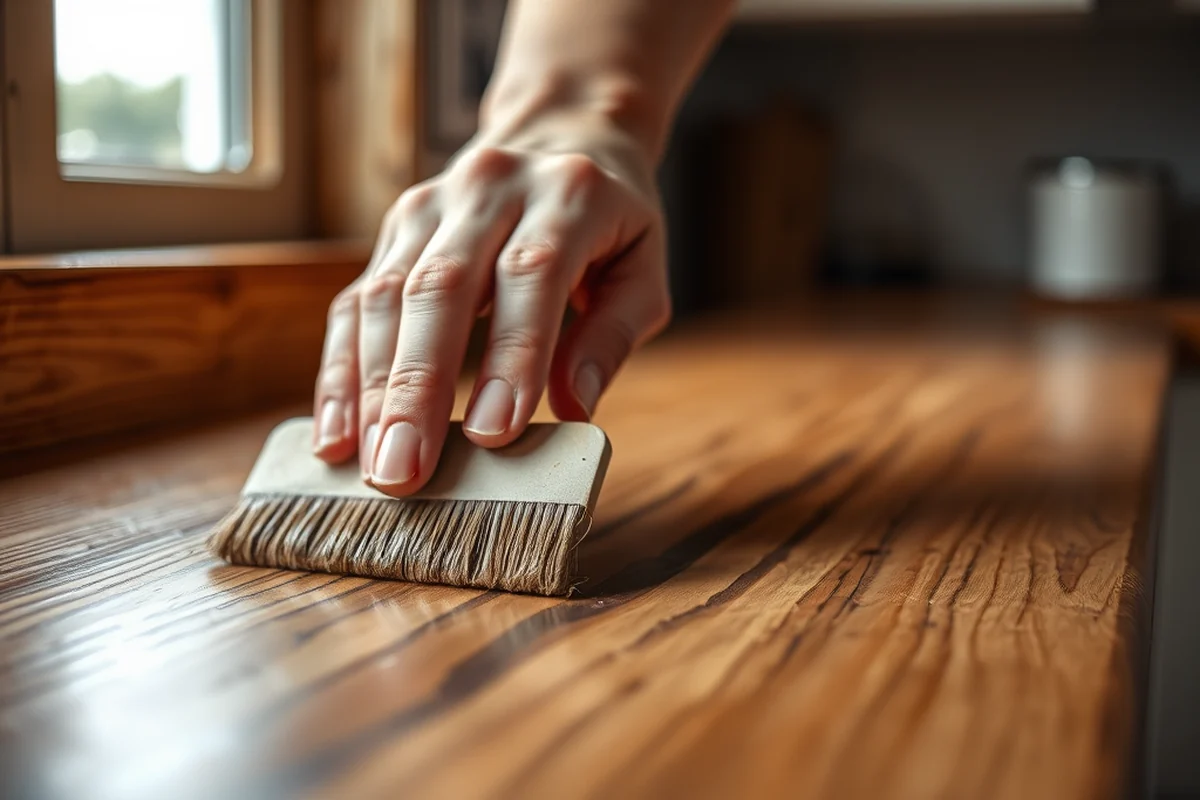
I can’t emphasize enough how much of a difference using the right paint makes. Kitchen cabinet paint is engineered to handle the constant humidity from cooking, the occasional splatter, and the frequent wiping down of surfaces. I remember when I used regular paint on my cabinets, and within a few months, I had to reapply it in certain areas because of the constant moisture. That was a pain and a waste of time. With kitchen cabinet paint, I haven’t had to touch up any of my cabinets in over two years — that’s a huge win.
The durability of kitchen cabinet paint also means it’s more resistant to scratches and dents. I’ve noticed that even after moving large pots and pans around, my cabinets still look new. This is especially important in a kitchen where cabinets are used daily. I’ve seen many people use regular paint, and I’ve found that the finish tends to wear off more quickly with use. That’s why I always recommend using kitchen cabinet paint if you’re planning to update your kitchen.[1]
Another benefit of using kitchen cabinet paint is its ability to create a smooth, even finish. I’ve used several brands now, and I’ve found that the right kitchen cabinet paint can give you a finish that looks professional without the cost. I remember the first time I painted with the right type of paint — it felt like I had hired a professional. That’s the kind of result you can get with the right product.
Kitchen cabinet paint is built for the kitchen — it’s the only way to go.
Related: What is best kitchen cabinet paint
How to Choose the Right Kitchen Cabinet Paint for Your Project
Choosing the right kitchen cabinet paint can be overwhelming, especially if you’re new to DIY. I’ve spent a lot of time researching different brands and types of paint, and I’ve found a few key things that make a difference. The first thing to consider is the finish — as I mentioned earlier, high-gloss or semi-gloss finishes are the most durable and easiest to clean. I’ve found that these finishes also make your cabinets look more modern and professional.
Another factor to consider is the brand. I’ve tried several different brands, and I’ve found that some are more reliable than others. I’ve had good results with brands like Sherwin-Williams and Behr, both of which offer high-quality kitchen cabinet paints. I’ve also found that some budget brands can work well if you’re careful with your application. I’ve used a few lower-cost options, and as long as I followed the instructions carefully, they held up well.
The type of surface you’re painting is also important. If you’re painting on wood, you may need a different type of paint than if you’re painting on laminate or MDF. I’ve had success with using kitchen cabinet paint on all types of surfaces, but I’ve found that it’s best to check the manufacturer’s recommendations for your specific surface type. That way, you can ensure the paint will adhere properly and last as long as possible.
Make sure to read the product label and follow the manufacturer’s instructions for your specific surface type. This will help ensure the paint adheres properly and lasts as long as possible.
“I remember the first time I painted my kitchen cabinets — I had no idea what I was doing.”— Flipper Lane editors
Related: What is the best garage floor paint
How to Prepare Your Cabinets for Painting
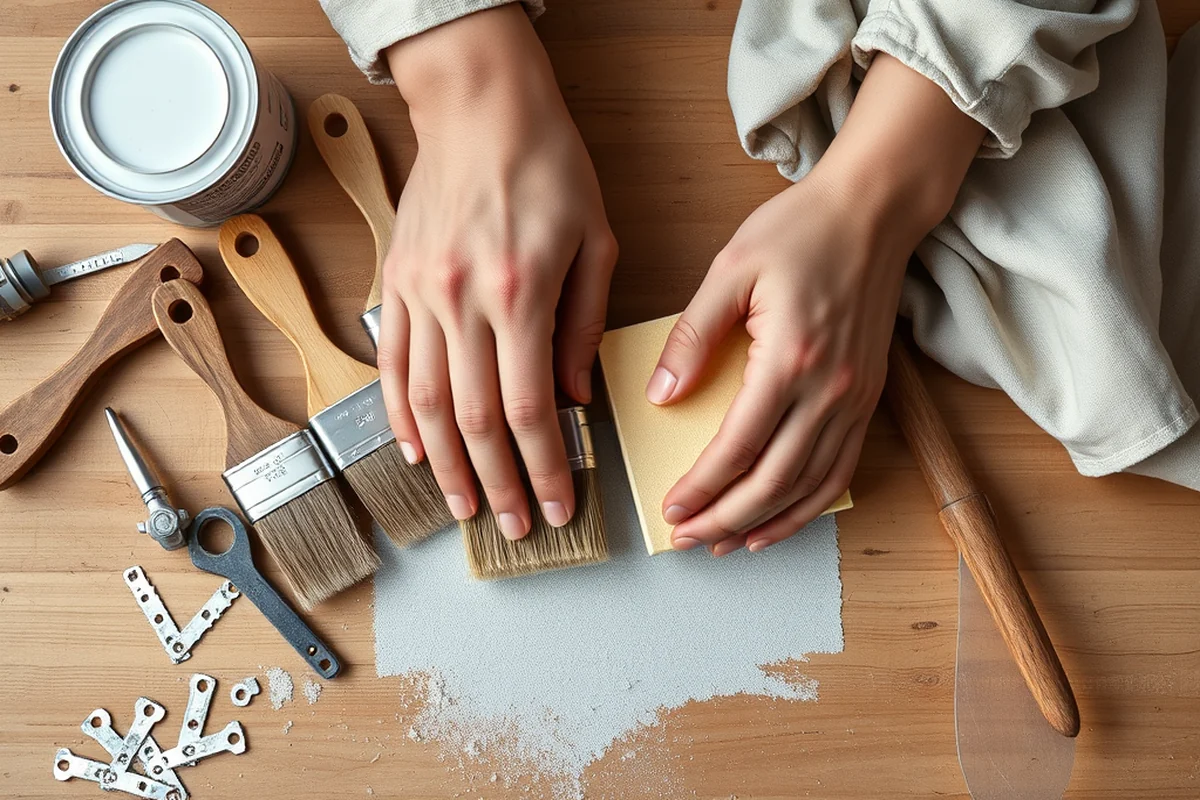
I’ve learned the hard way that skipping the preparation step can lead to a whole lot of problems. The first thing I do when painting my cabinets is to clean them thoroughly. I use a degreaser or a mild detergent to remove any grease, grime, or residue that might be on the surface. This is especially important in a kitchen where oil and splatters are common. I’ve found that if I skip this step, the paint doesn’t adhere well and can start peeling after just a few weeks.
Next, I sand the cabinets to create a smooth surface. I use a fine-grit sandpaper, around 220 grit, and I make sure to sand in the direction of the grain. I’ve found that sanding helps the paint stick better and creates a more even finish. After sanding, I wipe down the cabinets with a damp cloth to remove any dust or debris. This is a small step, but it makes a huge difference in the final result.[2]
I also apply a primer before painting, even if the paint comes with a built-in primer. I’ve found that using a separate primer can help the paint adhere better, especially on older cabinets. I’ve tried a few different primers, and I’ve had the best results with a water-based primer that’s designed for wood and laminate surfaces. This helps create a strong bond between the paint and the cabinet surface.
Related: Easel for painting
How to Apply Kitchen Cabinet Paint for a Professional Finish
I’ve spent a lot of time experimenting with different painting techniques, and I’ve found that applying kitchen cabinet paint in thin, even coats is the best way to achieve a professional finish. I start by applying the first coat with a brush, making sure to cover the entire surface evenly. I’ve found that using a brush first helps me get into the corners and edges, while a roller is better for the larger, flat surfaces.
After applying the first coat, I let it dry completely before applying the second coat. I’ve found that waiting at least 4 to 6 hours between coats helps the paint dry properly and avoid streaks or bubbles. I’ve made the mistake of applying a second coat too soon, and it ended up looking uneven and streaky. That’s why it’s important to be patient and let each coat dry fully before moving on.
Once the final coat is applied, I let the paint cure for at least a week before using the cabinets again. I’ve found that this allows the paint to fully harden and become more resistant to scratches and moisture. I’ve also noticed that if I use the cabinets too soon, the paint can smudge or leave fingerprints more easily. That’s why I always wait a full week before placing any dishes or utensils back on the cabinets.
Related: Furniture polish spray
How to Maintain Your Newly Painted Kitchen Cabinets
I’ve made the mistake of neglecting my painted cabinets, and I can tell you from experience that it’s not worth it. The first thing I do to maintain my cabinets is to wipe them down regularly with a damp cloth. I avoid using harsh chemicals or abrasive cleaners, as these can strip the paint or cause it to chip. I’ve found that a mild detergent and water solution works best for cleaning.
I also make sure to avoid using excessive water on the cabinets. I’ve noticed that if I use too much water, the paint can start to swell or lift in certain areas. That’s why I always use a damp cloth rather than a sponge or a spray bottle. I also make sure to dry the cabinets thoroughly after wiping them down, as moisture can lead to peeling or chipping over time.
Another tip I’ve learned is to avoid using any products that contain alcohol or ammonia, as these can damage the paint. I’ve tried using a few different types of cleaners, and I’ve found that some of them can start to dull the finish or cause streaks. That’s why I always stick to mild, water-based cleaners that are safe for painted surfaces.
A little maintenance goes a long way in keeping your painted cabinets looking new.
Related: Paint for the kitchen cabinets
How to Fix Common Issues with Kitchen Cabinet Paint
I’ve had my fair share of issues with my painted cabinets, and I’ve learned a few tricks along the way. One common issue is that the paint starts to chip or flake in certain areas. I’ve found that this is usually caused by not preparing the surface properly or not applying the paint correctly. I’ve fixed this by sanding the affected area and applying a fresh coat of paint.
Another issue I’ve encountered is that the paint starts to look dull or streaky. I’ve found that this is often due to not waiting long enough between coats or using too much water when cleaning. I’ve fixed this by lightly sanding the surface and applying another coat of paint. I’ve also learned that using a microfiber cloth when cleaning helps prevent streaks and keeps the finish looking shiny.
If the paint starts to look uneven or has a texture that doesn’t match the rest of the cabinets, I’ve found that the best solution is to sand the entire surface and start over. I’ve made the mistake of trying to fix small areas instead of starting fresh, and I’ve had better results when I take the time to do it right the first time.
💰 Budget Build
A cost-effective way to paint your cabinets with affordable materials and minimal tools.
⏰ Weekend Version
A quick, weekend-friendly project that can be completed in just a few hours.
✨ Upgraded Finish
A professional-level finish using high-quality paint and tools for a showroom look.
🏠 Small-Space Adaptation
A tailored approach for small kitchens with limited space and time.
🔒 Rental-Safe Option
A removable or temporary paint option that won’t damage the property.
| The mistake | Why it happens | The fix |
|---|---|---|
| Skipping the surface preparation step | Skipping the preparation step can lead to paint peeling, chipping, or not adhering properly. I’ve had to repaint several cabinets because I didn’t clean them thoroughly before painting. | Always make sure to clean the cabinets thoroughly and sand them to create a smooth surface before painting. |
| Not waiting long enough between coats | Not waiting long enough between coats can result in streaks, bubbles, or an uneven finish. I’ve had to repaint several cabinets because I applied a second coat too soon. | Always wait at least 4 to 6 hours between coats to allow the paint to dry properly. |
| Using harsh chemicals to clean the cabinets | Using harsh chemicals can strip the paint or cause it to chip. I’ve had to repaint several cabinets because I used a strong chemical cleaner that damaged the paint. | Always use mild, water-based cleaners that are safe for painted surfaces to avoid damaging the finish. |
What Is Kitchen Cabinet Paint
Common Questions
Can I paint over old kitchen cabinet paint?
Do I need to use a primer with kitchen cabinet paint?
How long does kitchen cabinet paint last?
Can I use kitchen cabinet paint on other parts of the house?
References
- Interior Design - Arkansas 4-H (4h.uada.edu)
- North American Industry Classification System (NAICS) Code and ... (azdor.gov)
- Signs of Water Damage to Watch for in Kitchens and Bathrooms (blogs.cornell.edu)
- Untitled Document (bls.gov)
- About Lead in Paint | Childhood Lead Poisoning Prevention - CDC (cdc.gov)
Cite this guide
Flipper Lane (2026). What Is Kitchen Cabinet Paint. https://flipperlane.com/what-is-kitchen-cabinet-paint/
Feel free to cite or share this guide.