
Things To Paint
📖 Table of Contents
- Why Paint Things You Already Own?
- Choosing the Right Paint for Your Project
- Preparing the Surface for Painting
- Painting Techniques for a Professional Finish
- Finishing Touches for a Long-Lasting Paint Job
- How to Paint Things You Might Not Expect to Paint
- Keeping Your Painted Projects Looking Great for Years
- Make It Your Way
- Frequently Asked Questions
I remember the first time I picked up a brush and painted something I actually cared about—my son’s old baby blanket. The fabric was faded, the edges frayed, but with a few strokes of chalk paint, it transformed into a piece of art that hung in our living room for years. Painting isn’t just about color and design; it’s about giving new life to things we might otherwise toss away. This article is about things to paint—objects in our homes that deserve a second chance, and the joy that comes from breathing new life into them.
Painting is one of the most accessible and satisfying DIY projects you can take on. Whether it’s a piece of furniture, a piece of decor, or even a garden wall, the right paint and technique can turn something ordinary into something extraordinary. I’ve spent countless hours experimenting with different surfaces, paints. Tools, and I’ve learned that the key to a successful project is understanding what you’re working with and what kind of paint will stick and last.
In this guide, I walk through the things to paint that you might have in your home right now—think old chairs, picture frames, mugs, even your kid’s outdated toys. I cover everything from choosing the right paint type to preparing the surface and applying the finish. If you’re looking for a project that’s both creative and transformative, this is it. Let’s get started.[1]
Why You'll Love This Project
- It’s a budget-friendly way to update your space without buying new furniture or decor.
- You can personalize your home with custom colors, patterns, and designs.
- It’s a great way to reduce waste by giving old items a new life.
- You’ll gain confidence in your DIY skills with each project you complete.
Why Paint Things You Already Own?
As of September 2026, I’ve found that the best projects are the ones that start with things I already have. An old wooden chair, a scratched-up table, or even a forgotten picture frame can be transformed with the right paint and technique. Not only is this approach cost-effective, but it’s also a great way to reduce waste and keep your home feeling personal and unique.
One of the biggest benefits of repainting old items is the sense of accomplishment that comes with it. I remember the first time I painted an old coffee table—after sanding, priming, and applying a couple of coats, it looked like brand new. It felt incredible to know I had done it all myself.
By painting things you already own, you can also experiment with colors and styles that you might not have considered otherwise. This is a low-risk, high-reward way to see what works in your home and what doesn’t.
Look around your home for items that are chipped, faded, or simply in need of a fresh start. A single chair, a lamp, or a picture frame can be a great first project.
Part of our Chalk paint guide.
Choosing the Right Paint for Your Project

I’ve learned that not all paints are created equal. The type of paint you use depends on what you’re painting and how it will be used. For example, if you’re painting a piece of furniture, you’ll want a paint that’s durable and easy to clean. If you’re working on a canvas or wall, a standard acrylic or latex paint might be more suitable.
I’ve tested several types of paint over the years, and chalk paint has become my go-to for furniture projects. It’s easy to apply, doesn’t require sanding or priming, and gives a beautiful, matte finish. For walls, I prefer using high-quality acrylic paint because it covers well and lasts a long time.
Always read the label and make sure the paint is suitable for the surface you’re working with. If in doubt, test a small area first to see how it looks and feels.
Choose the right paint, and your project will look and last like new.
Related: Clear coat spray paint
Preparing the Surface for Painting
I’ve made the mistake of skipping the prep step, and it always comes back to haunt me. Whether you’re painting a piece of furniture or a wall, the surface needs to be clean, dry, and free of dust, grease, or old paint. If there’s any peeling or flaking paint, it needs to be sanded down to create a smooth base.
I always start by cleaning the surface with a mild detergent and water. For furniture, I use a degreaser to remove any oils or stains. Once it’s clean, I sand it lightly with fine-grit sandpaper to create a better surface for the paint to adhere to.
After sanding, I wipe the surface down with a damp cloth to remove any dust. This step might seem small, but it makes a huge difference in the final result.
A clean, sanded surface ensures better paint adhesion and a more professional finish. Don’t skip this step, even if it feels tedious.
“I remember the first time I picked up a brush and painted something I actually cared about—my son’s old baby blanket.”— Flipper Lane editors
Related: What s the best paint by numbers
Painting Techniques for a Professional Finish
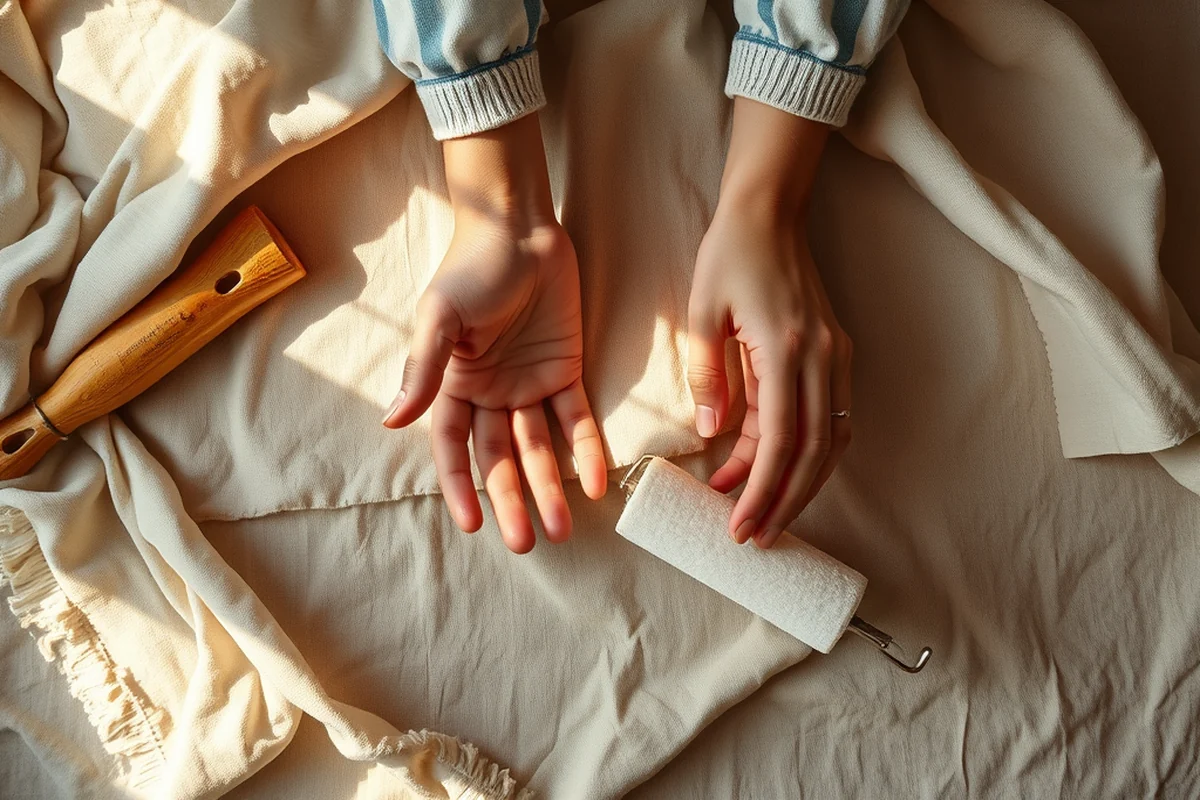
I’ve found that the way you apply paint can make a huge difference in the final look. Whether you’re using a brush, roller, or spray paint, it’s important to work carefully and take your time. I always start by applying a thin coat and allowing it to dry completely before applying a second coat.
For furniture, I use a small brush for the edges and a larger brush for the flat surfaces. I always move in one direction to avoid creating streaks or brush marks. If I’m painting a wall, I use a roller for the large areas and a brush for the corners and edges.
I’ve also found that using a primer before applying the final coat can help the paint adhere better and cover the surface more evenly. This is especially important if you’re painting over a dark color or a previously painted surface.
Related: What is in primer paint
Finishing Touches for a Long-Lasting Paint Job
After the final coat of paint has dried completely, it’s time to apply the finishing touches. I always use a clear topcoat to protect the paint and add a bit of shine or matte finish, depending on the look I want. This step is especially important for furniture or items that will be used regularly.
I’ve tested different types of topcoats over the years, and I’ve found that a water-based polyurethane finish is the most durable and easy to apply. It’s also available in different sheens, so you can choose the one that best fits your project.
Once the topcoat is applied and fully cured, you can enjoy your new piece. I love seeing how the paint looks in natural light and how it holds up over time.
Related: Clear coat or paint
How to Paint Things You Might Not Expect to Paint
I’ve painted everything from picture frames to mugs, and even my son’s old toys. One of my favorite projects was painting a set of old mugs with a chalk paint and a brush. It took less than an hour, and they looked brand new. These small projects can make a big difference in how your home feels.
Another unexpected project was painting my daughter’s old wooden toy box. I used a light gray chalk paint and a brush, and it turned into a beautiful, custom piece of furniture that we still use today. It’s amazing how a few strokes of paint can transform an old item into something new.
Don’t be afraid to try painting things that you might not think of first. You might be surprised by how much of a difference it can make.
Painting unexpected items can yield the most rewarding results.
Related: What is an indian paintbrush
Keeping Your Painted Projects Looking Great for Years
One of the best ways to maintain your painted items is to avoid exposing them to direct sunlight or moisture for extended periods. I’ve noticed that furniture painted with chalk paint can fade or chip if it’s placed near a window without a curtain.
Another tip I’ve learned is to clean your painted surfaces regularly. I use a soft cloth and a mild detergent to wipe down painted furniture or decor. I never use harsh chemicals or abrasive materials, as they can damage the paint.
If you’re painting items that will be used regularly, like a kitchen table or a mug, I recommend using a water-resistant topcoat. This will help protect the paint from spills and stains. I’ve found that this step is especially important for items that will be handled frequently.[2]
💰 Budget Build
Use basic paints and tools to get a quick, low-cost refresh on an item you already own.
⏰ Weekend Version
Complete a small project in one day, like painting a lamp or a picture frame.
✨ Upgraded Finish
Add a clear topcoat or metallic paint to give your project a more luxurious look.
🏠 Small-Space Adaptation
Paint small items like shelves or mugs to make a big impact in a small room.
🚪 Rental-Safe Option
Use removable paint or temporary stickers to avoid damaging walls or furniture in a rental.
| The mistake | Why it happens | The fix |
|---|---|---|
| Skipping the surface preparation step. | Without proper cleaning and sanding, the paint won’t adhere well and may peel or chip over time. | Always clean and sand the surface before painting, even if it seems like a small step. |
| Using the wrong type of paint. | Using a paint that’s not suitable for the surface you’re painting can lead to a poor finish and a shorter lifespan for your project. | Read the label carefully and choose a paint that’s appropriate for the item you’re painting. |
| Applying too much paint in one coat. | Applying too much paint at once can lead to drips, streaks, or a thick, uneven finish. | Apply thin, even coats and allow each coat to dry completely before applying the next one. |
| Not using a topcoat. | Without a topcoat, your painted item may be more prone to scratches, fading, or chipping, especially if it’s used regularly. | Always apply a clear topcoat to protect the paint and add a bit of shine or matte finish. |
Things To Paint
Common Questions
What type of paint should I use for furniture?
How long does it take to paint a small item like a mug?
Do I need to prime the surface before painting?
Can I paint items that are not made of wood?
References
- The role that composition plays in determining how a viewer looks at ... (pmc.ncbi.nlm.nih.gov)
- Incoming Class Profile - Penn Admissions - University of Pennsylvania (admissions.upenn.edu)
Cite this guide
Flipper Lane (2026). Things To Paint. https://flipperlane.com/things-to-paint/
Feel free to cite or share this guide.