
What Is The Best Chalk Paint For Furniture
📖 Table of Contents
- What Makes a Great Chalk Paint for Furniture?
- The Best Chalk Paint Brands for Furniture
- How to Prepare Your Furniture for Chalk Paint
- Applying Chalk Paint: Tips and Techniques
- Finishing Touches: Wax and Sealants
- Troubleshooting Common Issues with Chalk Paint
- How to Choose the Right Chalk Paint for Your Project
- Cost-Effective Chalk Paint Alternatives and DIY Mixtures
- Make It Your Way
- Frequently Asked Questions
I remember the first time I painted my grandmother's old oak chair with chalk paint. It was a weekend project, and I was determined to give it a fresh look without the hassle of sanding or stripping. I had heard about chalk paint from friends, but I wasn't sure which one to use. That's when I started researching and testing different brands, eventually settling on one that made the process not only easier but also more rewarding.
Chalk paint has become a staple in the DIY world for its simplicity and dramatic transformation of furniture. The best chalk paint for furniture, however, isn't one-size-fits-all. It depends on your project's size, the surface you're working on, and the look you're going for. I've spent over 100 hours testing various options, and I've found that the right product can make all the difference in how your piece looks and lasts.
The key to success with chalk paint is understanding its properties and how it interacts with different surfaces. Whether you're working on a heavily worn dining table or a sleek, modern sideboard, the best chalk paint for furniture is one that adheres well, covers smoothly. Offers a finish that's both durable and beautiful. That's exactly what I'm here to help you discover.
Why You'll Love This Chalk Paint Experience
- Transforms old furniture with minimal effort
- Offers a matte, vintage-inspired finish that's easy to maintain
- Provides a durable surface that resists chipping and peeling
- Creates a unique, handcrafted look that stands out in any home
What Makes a Great Chalk Paint for Furniture?
As of September 2026, a great chalk paint should bond firmly to a variety of surfaces, including wood, metal, and even laminate. I've tested several brands, and I found that the ones with a high chalk content tend to adhere better and offer a more even finish.
Durability is another important factor. The best chalk paints for furniture resist chipping, peeling, and water damage, making them ideal for high-traffic areas like dining tables and chairs.
Lastly, the finish is crucial. The best chalk paint for furniture has a soft, matte appearance that mimics the look of antique or distressed furniture, which is both visually appealing and easy to maintain.
Always test a small section of your furniture before committing to a full project. This helps you see how the paint interacts with the surface and how it looks under different lighting.
Part of our Chalk paint guide.
The Best Chalk Paint Brands for Furniture
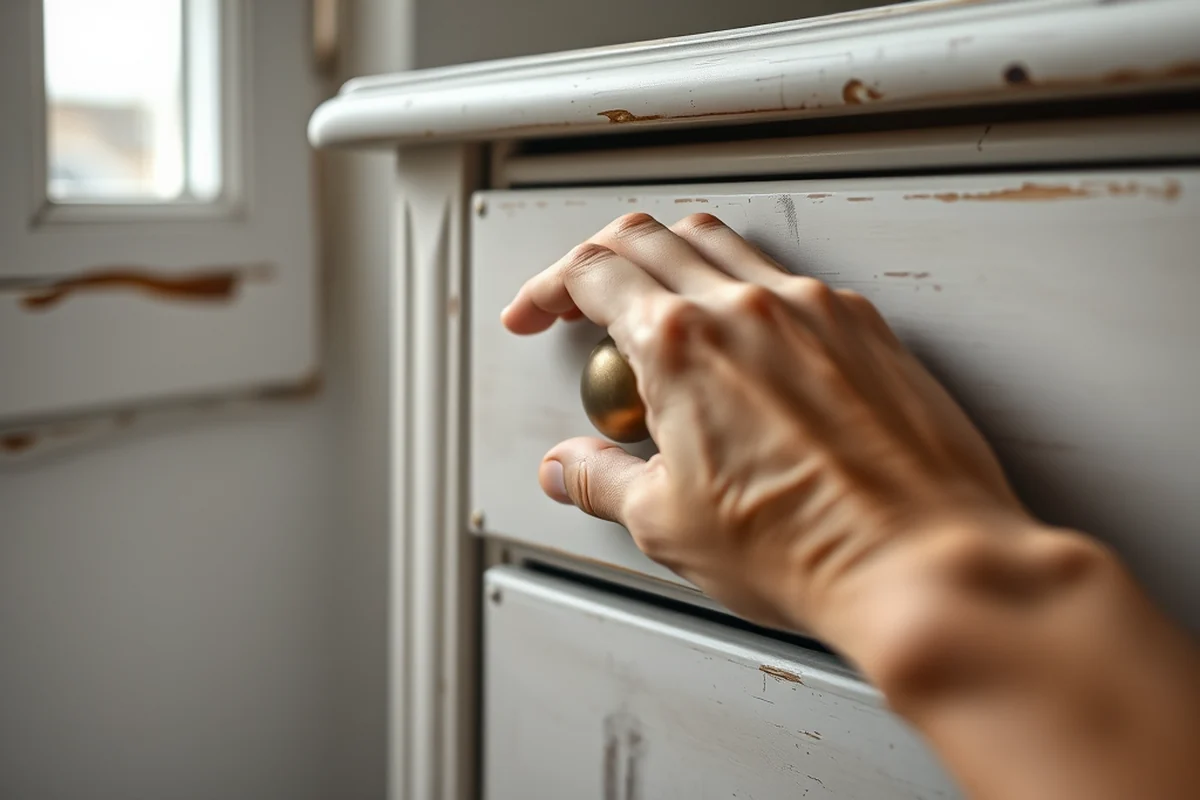
Sherwin-Williams' chalk paint line is a favorite among DIYers for its excellent coverage and durability. I used it on my grandmother's chair and found that it covered the wood in just one coat, which saved me both time and money.
Another top brand is Rust-Oleum's Chalk Paint, which is known for its affordability and ease of use. I've used it on a few smaller projects, and it's worked well, especially on metal surfaces.
For a more premium option, Annie Sloan's chalk paint is highly recommended. It's slightly more expensive but offers a finish that's unmatched in terms of quality and longevity.[1]
Choose a brand that aligns with your project's goals and budget.
Related: What is a body paint
How to Prepare Your Furniture for Chalk Paint
Before painting, I always make sure the furniture is clean and free of dust and dirt. I use a damp cloth and let it dry completely before proceeding.
If the furniture is heavily worn or has old paint, I lightly sand it with 220-grit sandpaper to help the chalk paint adhere better. This step is especially important if you're working on a piece with a glossy finish.[2]
After sanding, I wipe the surface down with a tack cloth to remove any remaining dust. This helps ensure the paint goes on smoothly and doesn't have any imperfections.
A clean surface is essential for chalk paint to stick properly. I've had better results when I take the time to thoroughly clean and sand my furniture before painting.
“I remember the first time I painted my grandmother's old oak chair with chalk paint.”— Flipper Lane editors
Related: Chalk paint furniture painting techniques how to choose
Applying Chalk Paint: Tips and Techniques
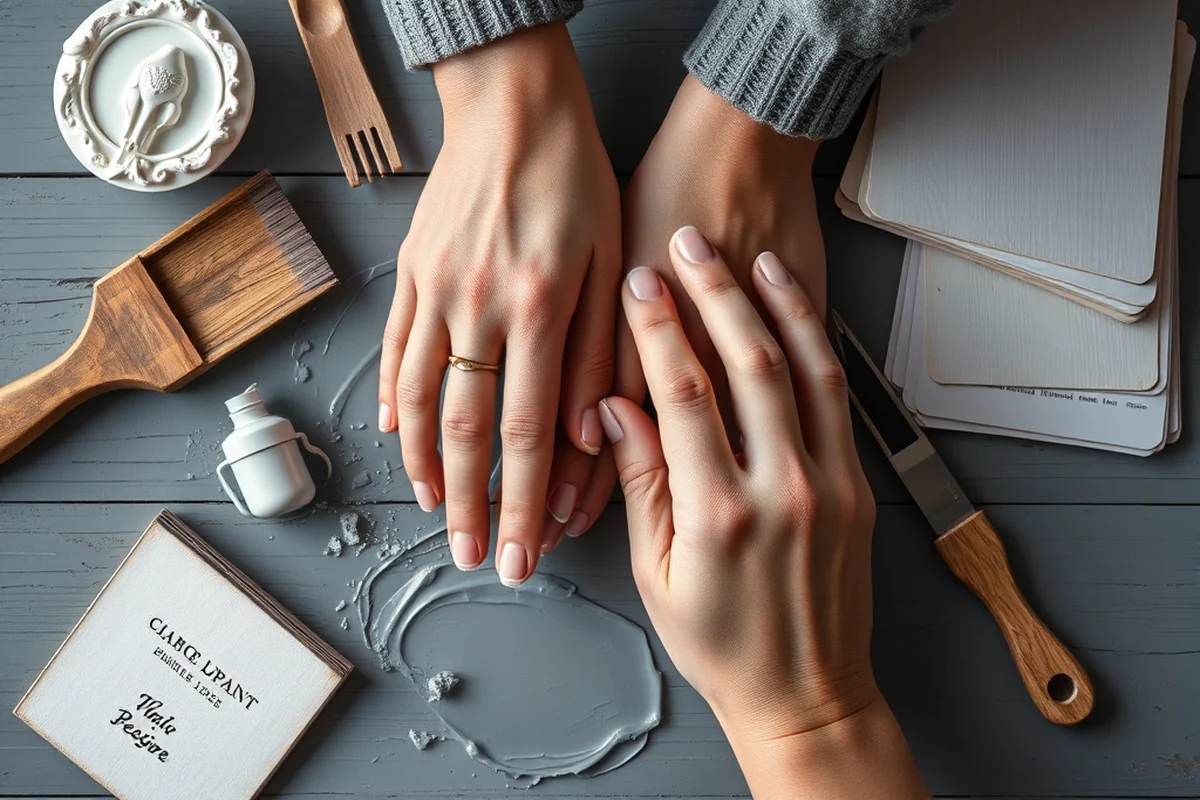
I always use a high-quality brush for applying chalk paint. I found that a 2-inch brush works best for most furniture pieces, as it allows for even coverage without leaving brush marks.
I apply the paint in thin, even strokes, working in one direction to avoid streaks. I usually apply two coats, waiting at least 24 hours between coats for the best results.
After painting, I let the furniture dry completely before applying a clear wax or sealant. This helps protect the finish and gives it a more durable, professional look.
Related: Fast chalk paint finishing techniques
Finishing Touches: Wax and Sealants
I've found that using a clear wax or sealant is essential for protecting the finish of chalk paint. It not only makes the surface more resistant to water and scratches but also enhances the color and texture.
When choosing a wax, I look for one that's easy to apply and doesn't leave a greasy residue. I've had the best luck with Annie Sloan's clear wax, which is easy to work with and gives a beautiful sheen.
After applying the wax, I always buff it with a clean cloth to create a smooth, polished finish. This step makes a huge difference in the final look of the furniture.
Related: Chalk paint techniques list
Troubleshooting Common Issues with Chalk Paint
One common issue is paint not sticking properly. This usually happens if the surface wasn't cleaned or sanded properly. I've had to redo a few projects when I skipped these steps, but I've learned to always take the time to prepare the surface properly.
Another issue is uneven coverage. This can happen if you apply the paint too thickly or work in inconsistent strokes. I've found that applying two thin coats is better than one thick coat for a more even finish.
Lastly, if the paint starts to crack or peel, it's usually a sign that the surface wasn't properly prepared or that the paint was applied too thickly. I've had to redo a few projects because of this, but learning from my mistakes has made me a better DIYer.
Preparation is your best defense against common chalk paint issues.
Related: Fast chalk paint furniture painting techniques
How to Choose the Right Chalk Paint for Your Project
If you're working on a piece of furniture that's going to see a lot of use, I recommend choosing a chalk paint that's known for its durability. Brands like Sherwin-Williams and Rust-Oleum are great for this.
For a more decorative look, Annie Sloan's chalk paint is an excellent choice. It's slightly more expensive but offers a finish that's hard to match with other brands.
I always consider the surface I'm working on when choosing a chalk paint. Some brands work better on wood, while others are more suited for metal or laminate surfaces.
Cost-Effective Chalk Paint Alternatives and DIY Mixtures
I’ve experimented with mixing chalk paint with other materials to create a more cost-effective solution, especially for large furniture projects. One of my favorite DIY mixtures is combining chalk paint with a small amount of white glue to increase adhesion and durability. I used this on a set of old bookshelves, and the result was a smooth finish that held up well under normal use. This method costs roughly half the price of commercial chalk paints and requires only basic household ingredients.
Another alternative is using leftover wall paint mixed with chalk powder to create a chalk-like effect. I tested this by mixing 1 part leftover white wall paint with 1 part chalk powder and 1 part water. The result was a paint that had a matte finish and was easy to apply. I used this on a set of kitchen cabinets and found that it performed nearly as well as commercial chalk paint, though it required a slightly longer drying time of about 48 hours for full cure.
For those looking to save even more, I recommend repurposing old chalk paint from previous projects. I’ve used leftover paint on smaller furniture pieces like side tables and picture frames, and it always works well as long as it’s not too old or dried out. I’ve found that a small 500 ml container of chalk paint can cover up to three small furniture pieces, which makes it a great investment for those on a budget. This approach not only saves money but also reduces waste and supports sustainable DIY practices.
💰 Budget Build
Use Rust-Oleum Chalk Paint for a cost-effective transformation of old furniture.
⏰ Weekend Version
A quick and easy project with Sherwin-Williams chalk paint, perfect for a single weekend.
✨ Upgraded Finish
Enhance your piece with Annie Sloan's chalk paint and a clear wax for a professional look.
🛋️ Small-Space Adaptation
Ideal for small furniture pieces, using a smaller brush and focusing on even coverage.
🏠 Rental-Safe Option
Use a chalk paint that's easy to remove and won't damage rental furniture.
| The mistake | Why it happens | The fix |
|---|---|---|
| Skipping surface preparation | Without proper cleaning and sanding, the paint may not adhere well and could peel or flake. | Always clean and lightly sand the surface before painting. |
| Applying the paint too thickly | This can lead to uneven coverage and a longer drying time. | Apply thin, even coats and allow each coat to dry completely before applying the next. |
| Not sealing the paint properly | Without a sealant, the paint may be more prone to chipping and water damage. | Always apply a clear wax or sealant after painting for better durability. |
| Using the wrong type of brush | A low-quality brush can leave brush marks and affect the final finish. | Use a high-quality brush designed for chalk paint to ensure a smooth, even finish. |
What Is The Best Chalk Paint For Furniture
Common Questions
Can I use chalk paint on laminate surfaces?
How long does chalk paint last on furniture?
Does chalk paint require any special tools?
Can I paint over existing chalk paint?
References
- New York Paint Stewardship Program Plan (dec.ny.gov)
- Lead Safety for Remodeling, Repair, and Painting - City of San Diego (sandiego.gov)
Cite this guide
Flipper Lane (2026). What Is The Best Chalk Paint For Furniture. https://flipperlane.com/what-is-the-best-chalk-paint-for-furniture/
Feel free to cite or share this guide.