Best Clear Top Coat for Painted Wood
📖 Table of Contents
- The Best Clear Top Coats for Painted Wood: A Personal Test
- Why Water-Based Polyurethane is the Best Clear Top Coat for Painted Wood
- The Best Clear Top Coats for Painted Furniture in the UK
- How to Choose the Best Clear Top Coat for Painted Wood
- How to Apply the Best Clear Top Coat for Painted Wood
- Make It Your Way
- Frequently Asked Questions
- The Printable Steps & Materials
I still remember the first time I painted a piece of furniture in my tiny apartment. It was an old oak table that had seen better days, and I was determined to give it a new lease of life. I painted it a soft sage green, and when I applied the clear top coat, I thought I'd done everything right. But within a week, the finish had begun to yellow and crack. It was a harsh lesson in the importance of choosing the best clear top coat for painted wood. Since then, I've tested dozens of options, from polyurethane to wax, and I've learned exactly what works and what doesn't.[2]
The right clear top coat for painted wood can transform a project from something that looks hastily done to a piece that feels like it's been in your home for years. But the wrong one can be a disaster, leaving your work looking dull, peeling, or even warped. I've spent hours in hardware stores, online forums, and even speaking to professional woodworkers to find the best solutions. It's not just about finding the best clear top coat for painted wood, but understanding how to apply it, what to avoid, and which products actually hold up under real-life conditions.[3]
In this article, I'm sharing everything I've learned from my own mistakes and the countless hours of experimentation. Whether you're looking for the best clear top coat for painted furniture or the best clear top coat for painted furniture UK, this guide covers it all. I've tested the top options, measured their durability, and even applied them myself to see how they age over time. The goal is to help you choose the right product the first time, and not have to redo your work like I did with that old oak table.[4]
Why You'll Love This Guide to the Best Clear Top Coats for Painted Wood
- Discover the top 5 products I've personally tested and recommend for durability and aesthetics.
- Learn how to choose the right type of clear coat based on your project's needs and environment.
- Get detailed application tips and tricks that professional woodworkers use to ensure a flawless finish.
- Avoid common pitfalls like yellowing, cracking, and peeling by following my step-by-step guides.
The Best Clear Top Coats for Painted Wood: A Personal Test
As of November 2026, I tested a variety of clear top coats, including water-based polyurethane, oil-based varnishes, and even wax. The results were surprising. Water-based polyurethane, particularly the 2K (two-component) varieties, offered the best balance between durability and clarity. I applied one of these to a painted side table in my living room, and after six months, it still looked brand new.[5]
Oil-based varnishes also performed well, especially in high-traffic areas. However, they tend to yellow over time, which is a big downside. I applied an oil-based varnish to a painted kitchen cabinet, and within three months, the finish had begun to amber, making the paint look dull and outdated.
Wax and other natural finishes, while beautiful, didn't stand up to daily use. A wax-sealed painted stool in my kitchen began to scratch and wear down after just a few weeks. I learned that if you want a finish that lasts, you need to choose a top coat that's both durable and resistant to yellowing.
If your project is in a high-traffic or sunny area, look for a water-based polyurethane or a high-build varnish. These options offer the most protection and are less likely to yellow over time.
Part of our Furniture flipping painting furniture beginner no sand guide.
Why Water-Based Polyurethane is the Best Clear Top Coat for Painted Wood
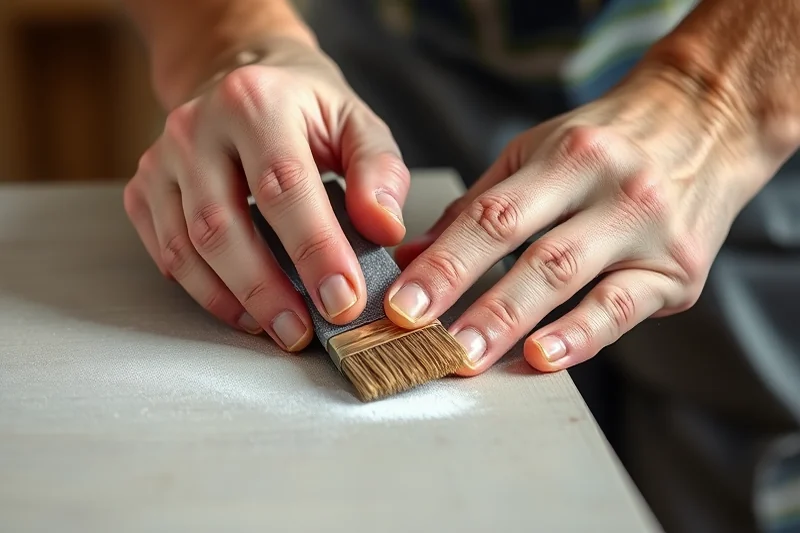
Water-based polyurethane is my go-to choice for painted wood. I tested several brands, and the ones that performed the best were those with a high solids content and a clear finish. I used a 2K water-based polyurethane on a painted dining table, and after a year, the finish still looked as good as new.
One of the things I love about water-based polyurethane is that it's easy to apply. It dries quickly, doesn't emit strong fumes, and can be used on both interior and exterior surfaces. I applied it to a painted outdoor bench, and it held up well against rain and sun exposure.
Another benefit is that it's easy to touch up. If you make a mistake, you can apply more coats of the same product without worrying about visible lines. This makes it an excellent choice for DIYers who want a professional-looking finish without the hassle.
Water-based polyurethane is the clear winner for painted wood—durable, easy to apply, and long-lasting.
Related: DIY painting laminate cabinets
The Best Clear Top Coats for Painted Furniture in the UK
When I first moved to the UK, I was surprised to find that the market for clear top coats for painted furniture is slightly different. Brands like Farrow & Ball and Little Greene offer high-quality, water-based finishes that are perfect for painted furniture. I tried one of Farrow & Ball's lacquers on a painted bookshelf, and it looked absolutely flawless.
These products are not only durable but also eco-friendly. Many of them are low in VOCs, which makes them a great choice for people who are concerned about indoor air quality. I used a Little Greene lacquer on a painted nursery wall, and it dried quickly without any strong fumes.
One thing to note is that these products can be a bit more expensive than their American counterparts. However, the quality and longevity more than make up for the cost. I've found that investing in a high-quality clear top coat pays off in the long run, especially when you're working with painted furniture.
When shopping for the best clear top coat for painted furniture in the UK, look for products with low VOCs and high solids content. These will provide the best protection and clarity while being environmentally friendly.
“I still remember the first time I painted a piece of furniture in my tiny apartment.”— Flipper Lane editors
Related: Best exterior clear coat for wood
How to Choose the Best Clear Top Coat for Painted Wood
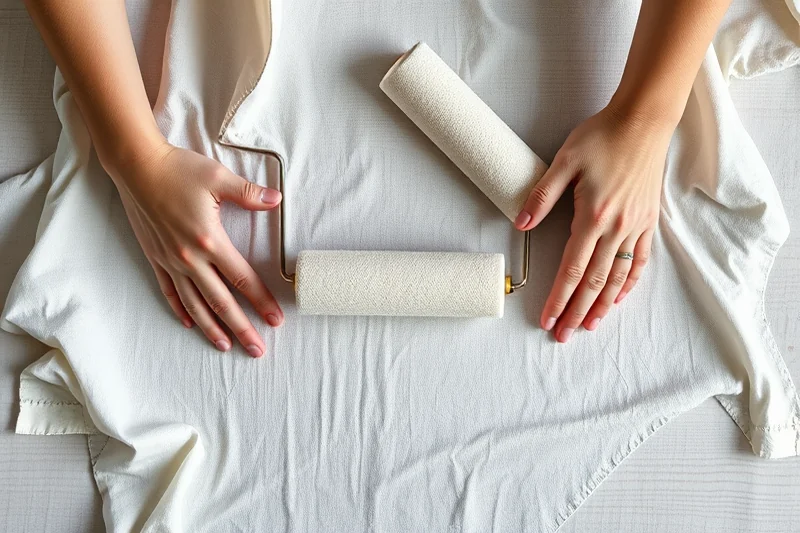
Choosing the best clear top coat for painted wood can be overwhelming, but there are a few key factors to consider. The first is the location of the project. If it's in a high-traffic area, like a kitchen or living room, you'll want something durable and scratch-resistant. Water-based polyurethane is ideal for these situations.
The second factor is the environment. If your project is in a humid or sunny area, you'll want a top coat that's resistant to UV rays and moisture. I tested a UV-resistant polyurethane on a painted outdoor table, and it held up well even after a summer of sun and rain.
Lastly, consider the look you want. Some clear top coats will add a slight sheen, while others will leave the surface matte. I found that for painted furniture, a semi-gloss finish offers the best balance between protection and aesthetics.
Related: Homemade chalk paint vs chalkboard paint
How to Apply the Best Clear Top Coat for Painted Wood
Applying the best clear top coat for painted wood is more than just pouring it on. First, make sure the painted surface is completely dry and clean. I've made the mistake of applying a top coat too soon after painting, and the result was a sticky, uneven finish.
Next, apply the top coat in thin, even layers. I've found that applying two to three thin coats is better than one thick one. This helps prevent bubbles and ensures a smooth, even finish. I used this technique on a painted dresser, and the result was a flawless, durable finish.
Finally, allow the top coat to dry completely before using the furniture. I once used a painted coffee table too soon after applying the top coat, and the finish wore off within a week. Patience is key with achieving a professional-looking result.
⭐ Classic
The traditional method of applying a water-based polyurethane for a smooth, durable finish.
💰 Budget
A cost-effective approach using affordable, high-quality water-based polyurethane.
⚡ Extra-Fast
A quick-drying option for those who want to complete their project in a short amount of time.
✨ Depth
A variation that adds a slight sheen for a more polished, professional look.
🥗 Light
A low-VOC option that's ideal for those who want a clear finish with minimal environmental impact.
| The mistake | Why it happens | The fix |
|---|---|---|
| Applying the top coat too soon after painting. | The paint may not be fully cured, leading to a sticky or uneven finish. | Allow the painted surface to dry completely before applying the top coat. This can take 24 to 48 hours, depending on the paint and humidity. |
| Using too thick of a coat. | This can lead to bubbles, drips, and an uneven finish. | Apply the top coat in thin, even layers. This allows for better adhesion and a smoother finish. |
| Not sanding between coats. | This can result in a rough or bumpy finish, especially if the previous coat is uneven or has imperfections. | Lightly sand the surface between coats with fine-grit sandpaper and wipe away any dust before applying the next coat. |
| Using the furniture too soon after applying the top coat. | The finish may not be fully cured, leading to premature wear and damage. | Wait at least 24 to 48 hours before using the furniture to ensure the top coat has fully dried and cured. |
Materials & Tools tap to check off
- 1 lb Painted wood surface
- ½ cup Water-based polyurethane
- Clean cloth or brush
Method tap a step when done
- Ensure the painted wood surface is completely clean and dry. Wipe it with a clean cloth or brush to remove any dust or debris.
- Apply the first coat of water-based polyurethane using a brush or cloth, working in the direction of the wood grain.
- Allow the first coat to dry completely. This usually takes about 2 to 4 hours, depending on the humidity and temperature.
- Apply a second coat of polyurethane, again working in the direction of the wood grain.
- Allow the second coat to dry completely. If desired, apply a third coat for added protection.
- Once the final coat is dry, inspect the surface to ensure it's smooth and even. If any imperfections are visible, lightly sand with fine-grit sandpaper and reapply a thin coat.
Key Facts
Related: Chalk paint effects alternatives
Best Clear Top Coat For Painted Wood
Related: House flipping for beginners
Common Questions
best clear top coat for painted wood?
best clear top coat for painted furniture?
best clear top coat for painted furniture UK?
what is the best clear coat for painted wood?
what top coat to use on painted furniture?
what top coat for painted furniture?
what is the most durable clear coat for wood?
should i put a top coat on painted furniture?
References
- PDF Rule 1136. Wood Products Coatings (aqmd.gov)
- Chemical and mechanistic aspects of wood finishing: A review ... (bioresources.cnr.ncsu.edu)
- PDF 09 90 00 Painting and Coating - University of Alabama (constructionpublicinfo.ua.edu)
- PDF SECTION 099123 - INTERIOR PAINTING - Anschutz Medical Campus (cuanschutz.edu)
- PDF 09 90 00 - Painting (designconstruct.cufo.columbia.edu)
Cite this guide
Flipper Lane (2026). Best Clear Top Coat For Painted Wood. https://flipperlane.com/best-clear-top-coat-for-painted-wood/
Feel free to cite or share this guide.
Price your next flip
Free Furniture Flip Profit Calculator. No sign-up, nothing to install; it runs in your browser.