
Diy Painting Laminate Cabinets
📖 Table of Contents
There’s something deeply satisfying about standing in my kitchen, looking at freshly painted cabinets that gleam under the morning light. For years, I had a set of laminate cabinets that were functional but dull, stuck in a beige purgatory of mid-2000s design. I knew I wanted to change them, but I had no idea that painting them would be both easier and cheaper than I ever imagined. 'DIY painting laminate cabinets' had always seemed like a project reserved for the bold and the brave. I’ve since learned that with the right tools and techniques, it can be a weekend project that transforms your space.
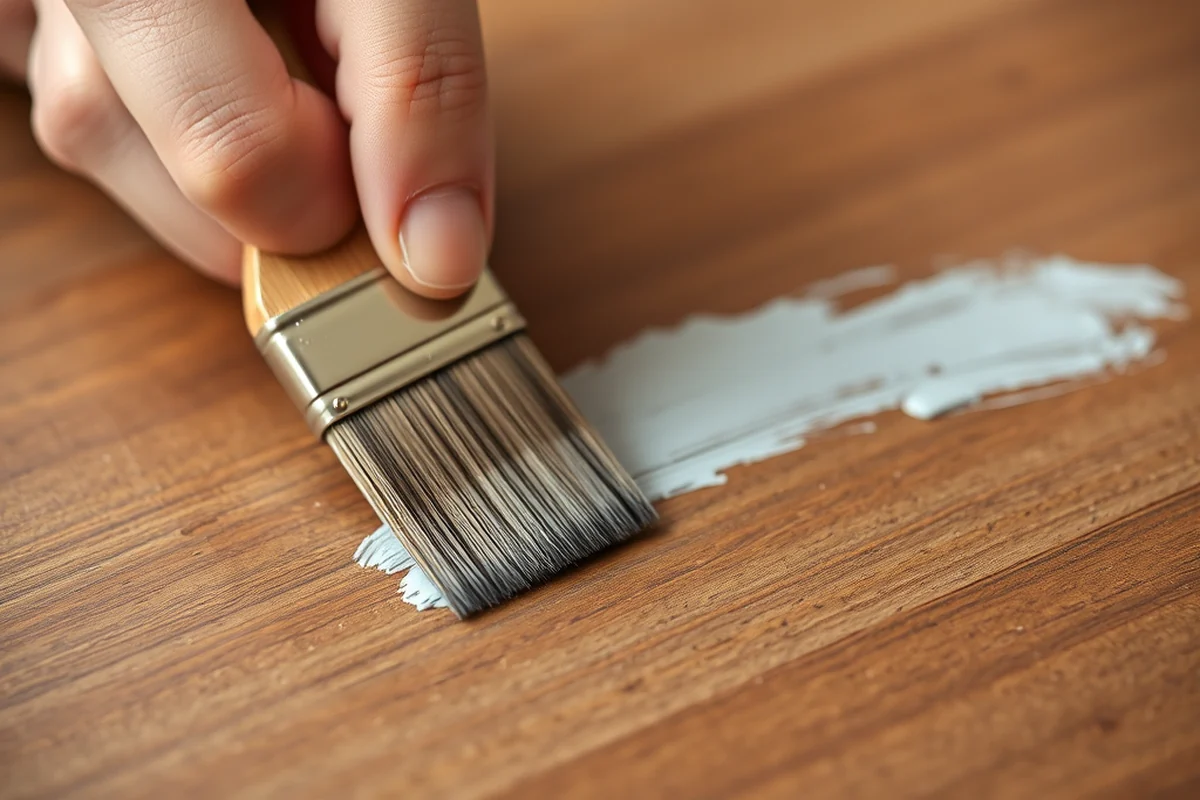
I remember the first time I held a sprayer in my hand, staring at it like it might bite me. I had no experience with painting, let alone with laminate surfaces. But after doing some research, I found a process that worked: sanding, priming, painting, and sealing. The most important thing I discovered was that you don’t need to be an expert to make your cabinets look brand new. You just need the right supplies and a bit of patience. The best part? The cost was under $100 for the whole kitchen, and the time I spent was only a few hours, most of it waiting for paint to dry.[1]
Since that weekend, I’ve painted three more sets of cabinets in my home—my guest bathroom, my laundry room, and even my parents’ kitchen. Each project taught me something new, like the importance of the right primer or the value of a high-quality brush. Painting laminate cabinets is a real DIY win, especially if you’re on a budget or just want to give your home a fresh start without the mess and expense of replacing them. I’ve learned that with the right approach, you can turn a tired kitchen into a space that feels brand new.
Why You'll Love This DIY Painting Project
- Revitalize your kitchen without the cost of new cabinets
- Achieve a custom look that matches your home’s decor
- Protect your laminate surfaces with proper sealing
- Complete the project in just a few hours with minimal tools
Why Painting Laminate Cabinets Works
As of October 2026, Laminate surfaces are surprisingly easy to paint once you prepare them correctly. The key is in the prep work: sanding the surface, cleaning it thoroughly, and applying a primer that adheres well to the laminate. I learned that skipping the sanding step or using the wrong primer could lead to peeling paint within months. After my first project, I noticed that the paint clung much better to the cabinets that had been sanded and primed properly.
One of the biggest benefits of painting laminate cabinets is the cost savings. Replacing a set of cabinets can cost thousands of dollars, but with a few gallons of paint and some supplies, you can achieve a similar look for under $200. I used a budget-friendly primer and paint from a local hardware store, and it worked just as well as the more expensive options.[2]
Another advantage of this project is the flexibility it offers. Whether you want a bold color, a subtle shade, or even a chalkboard effect, painting allows you to customize your cabinets to match your home’s style. I painted one set of cabinets a soft sage green and another a deep navy blue, and both ended up looking like they were built in the last year.
Use 220-grit sandpaper and sand in the direction of the grain for a smooth finish. Always wear a mask to avoid inhaling dust.[3]
Part of our Furniture flipping painting furniture beginner no sand guide.
The Best Paint for Laminate Cabinets
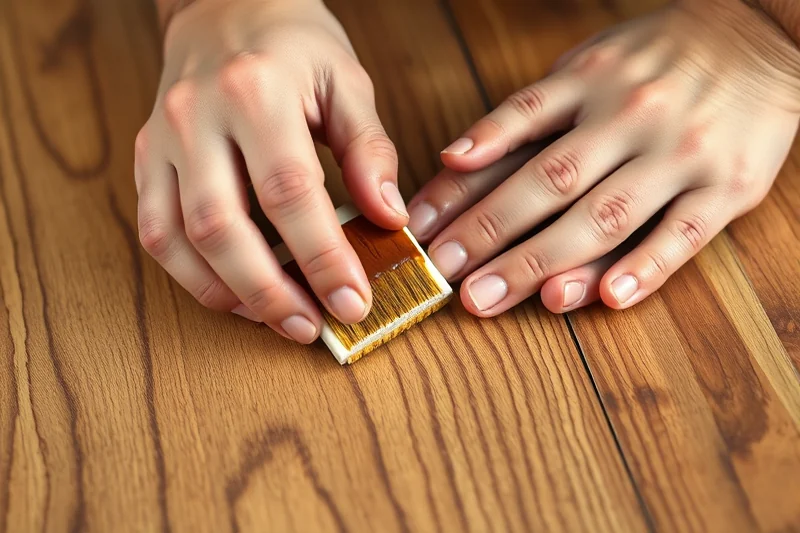
The paint I used was a satin finish, which is easier to clean and more durable than flat paint. I tried a few different brands and found that the one with the highest build and lowest VOCs worked best. It had excellent coverage, and I only needed two coats to achieve a smooth, even finish.
I also learned that using a primer designed for laminate surfaces makes a huge difference. I used a water-based primer that adheres well to the laminate and helps the paint stick longer. Without it, the paint would have started peeling in a few months.
I’ve since used the same paint and primer on other cabinets, and the results have been consistent. The finish is durable and has held up well to daily use, including smudges and fingerprints. It’s a small investment that pays off in the long run.
The right paint and primer make all the difference in the longevity of your project.
Related: Quick chalk paint vs milk paint
How to Prepare Your Cabinets for Painting
Before I started painting, I spent an hour cleaning the cabinets with a degreaser to remove any dirt, grease, or grime that had built up over the years. I used a solution of warm water and dish soap, and I scrubbed each cabinet thoroughly with a sponge and a soft cloth.
After cleaning, I sanded each cabinet with 220-grit sandpaper. I did this in the direction of the grain to avoid creating rough spots. Sanding was the most time-consuming part of the project, but it was essential for the paint to stick properly.[4]
Once the cabinets were sanded, I wiped them down with a damp cloth to remove any dust. Then I applied a primer designed for laminate surfaces. I used a spray primer, which covered the surface evenly and quickly. It was a game-changer—it made the painting process much smoother and faster.
Use a degreaser or a mixture of warm water and dish soap to clean the cabinets before painting. This ensures the surface is free of oils and grease.
“There’s something deeply satisfying about standing in my kitchen, looking at freshly painted cabinets that gleam under the morning light.”— Flipper Lane editors
Related: Thrift store makeover ideas near me
The Painting Process: Step by Step
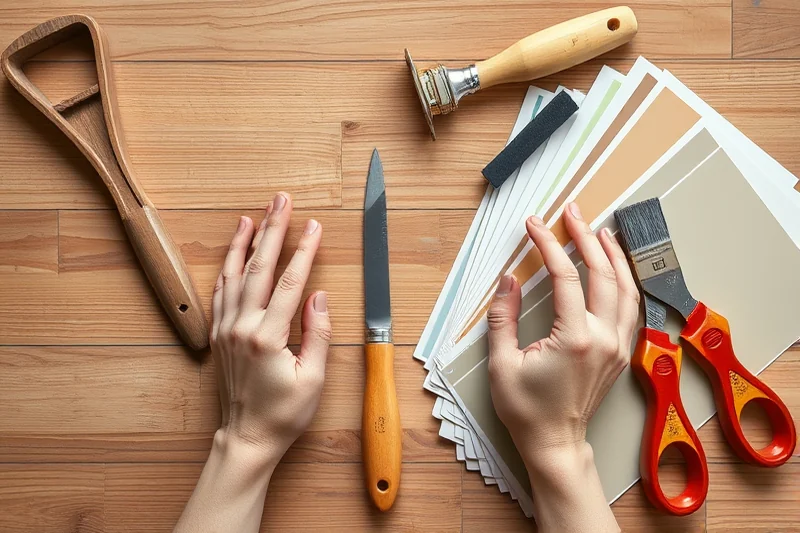
I used a high-quality brush to apply the first coat of paint, making sure to cover the surface evenly without missing any spots. I let the first coat dry for about two hours before applying the second coat. This helped build a thicker, more even finish.
For the second coat, I switched to a paint sprayer. It covered the cabinets quickly and evenly, and it was much easier to reach the corners and edges. I made sure to hold the sprayer at a consistent distance from the surface to avoid drips or uneven spots.
After the second coat was dry, I applied a clear polyurethane sealer. This protected the paint and made it more resistant to scratches and moisture. I used a spray sealer, which gave a smooth, even finish that I was really happy with.
Related: Best flipping thrift store items
Tips for a Successful DIY Cabinet Painting Project
One of the most important tips I learned was to work in a well-ventilated area. Painting inside can be tricky, but I used fans to keep the air moving and open windows to let in fresh air. This helped the paint dry faster and reduced the fumes.
Another tip is to take your time with each step. Rushing through the process can lead to mistakes, like missed spots or uneven paint. I found that taking it slow and working on one cabinet at a time helped me stay focused and produce better results.
I also made sure to wear protective gear, like gloves and a mask, to avoid getting paint on my skin or breathing in fumes. I used a painter’s mask and disposable gloves, and I found that they made the process much more comfortable.
⭐ Classic
A timeless approach to painting cabinets with a focus on quality and durability.
💰 Budget
A cost-effective option using affordable materials without compromising on the finish.
⚡ Extra-Fast
An accelerated method that uses spray techniques to speed up the painting process.
✨ Depth
A technique that focuses on achieving a rich, deep color with proper layering and sealing.
🥗 Light
A minimalist method that emphasizes clean, light colors for a fresh, modern look.
| The mistake | Why it happens | The fix |
|---|---|---|
| Skipping the sanding step | Paint can peel quickly if the surface isn’t sanded properly, as the paint doesn’t have a good grip on the laminate. | Always sand the cabinets with 220-grit sandpaper before painting, even if you think the surface is smooth. |
| Using the wrong primer | A primer not designed for laminate surfaces can lead to poor adhesion and paint peeling over time. | Use a water-based primer that is specifically formulated for use on laminate surfaces. |
| Not allowing paint to dry properly | If you apply a second coat too soon, it can cause the paint to bubble or not adhere evenly. | Always wait for each coat to dry completely before applying the next one. |
| Ignoring the need for a sealer | The paint may not be resistant to scratches or moisture, leading to damage over time. | Always apply a clear polyurethane sealer to protect the painted surface. |
Materials & Tools tap to check off
- 1 lb Sandpaper (220-grit)
- 1 can Degreaser spray
- 1 can Water-based primer
- 2 gallons Latex paint (satin or semi-gloss)
- 1 can Polyurethane sealer
- Disposable gloves and painter’s mask
Method tap a step when done
- Clean the cabinets thoroughly with a degreaser spray and a clean cloth to remove all dirt and grease.
- Sand the cabinets using 220-grit sandpaper, working in the direction of the grain for a smooth finish.
- Wipe down the cabinets with a damp cloth to remove any dust or debris from sanding.
- Apply a coat of water-based primer designed for laminate surfaces using a brush or sprayer.
- Once the primer is dry, apply two coats of latex paint, allowing each coat to dry completely before applying the next.
- Finish with a coat of clear polyurethane sealer to protect the paint and make it more durable.
Key Facts
Related: Flip side thrift store that work
Diy Painting Laminate Cabinets
Related: Small items to flip
Common Questions
Can I paint over laminate cabinets without sanding?
What type of paint should I use for laminate cabinets?
How long does it take to paint a set of cabinets?
Do I need to use a primer?
References
- The effects of water-based insulation paint applied to laminate ... (bioresources.cnr.ncsu.edu)
- PDF UTD DGCS 06-40-23 Interior Architectural Woodwork (facilities.utdallas.edu)
- PDF 06100 - Northern Arizona University (in.nau.edu)
- How To Paint Laminate Flooring - My Paint Guide - All For One (mobile.thisis.gwu.edu)
Cite this guide
Flipper Lane (2026). Diy Painting Laminate Cabinets. https://flipperlane.com/diy-painting-laminate-cabinets/
Feel free to cite or share this guide.