Homemade Chalk Paint Vs Chalkboard Paint
📖 Table of Contents
- What is Homemade Chalk Paint and How is it Made?
- What is Chalkboard Paint and How is it Different?
- Cost Comparison: Homemade vs. Chalkboard Paint
- Texture and Application: A Hands-On Comparison
- Longevity and Durability: How Long Does Each Last?
- Make It Your Way
- Frequently Asked Questions
- The Printable Steps & Materials
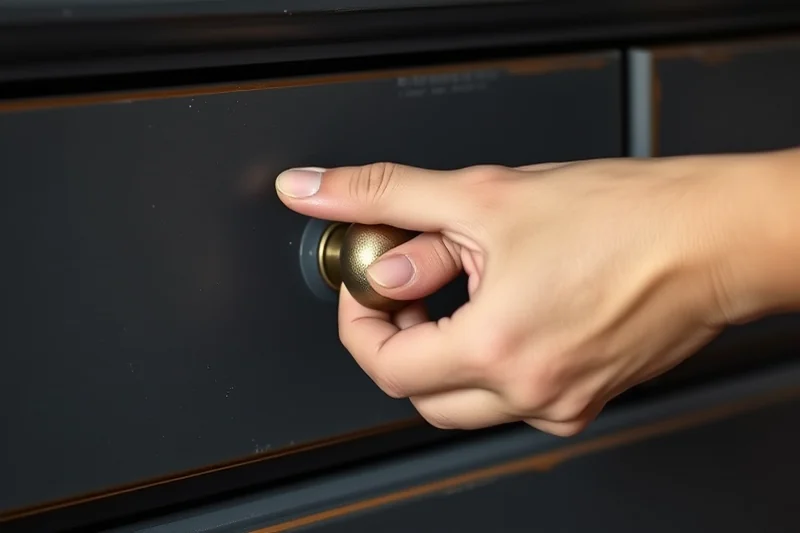
I remember the first time I tried homemade chalk paint—it was a rainy afternoon, and I was desperate to give my old kitchen cabinets a fresh, whimsical look without spending a fortune. I had no idea that a simple mixture of chalk, water, and a few household ingredients could transform my space in such an unexpected way. What struck me was how easy it was to make, and how much more satisfying the result felt compared to store-bought chalkboard paint. It wasn’t just about the look; it was about the process, the control, and the personal touch that came with making it myself.
As I experimented with homemade chalk paint, I realized it was a surprisingly versatile option compared to the rigid, uniform finish of chalkboard paint. While chalkboard paint requires a specific application process and a lot of patience, homemade chalk paint is more forgiving and adaptable. It’s like the difference between painting a wall with a stiff brush and using a soft sponge—it’s about how the material interacts with the surface. I found that homemade chalk paint dried faster, had a more subtle texture, and left behind a kind of 'handmade' charm that I couldn’t get from anything else.
Over time, I began to see the distinction between homemade chalk paint and chalkboard paint as more than just a matter of ingredients. It was about the experience, the creativity, and the results. Homemade chalk paint felt like a personal project, something I could tweak and refine to suit my needs. Chalkboard paint, on the other hand, was more of a one-size-fits-all solution. It was easier to use, sure, but it didn’t allow for the kind of experimentation I enjoyed. The more I made homemade chalk paint, the more I realized it wasn’t just a DIY project—it was a way of expressing my personality and vision in every room of my home.
Why You'll Love This DIY Paint Comparison
- Customizable texture and color without the expense of store-bought options.
- Quick, easy, and adaptable for any surface or design style.
- A more sustainable choice as it uses simple, everyday ingredients.
- Encourages creativity and personalization in every painted surface.
What is Homemade Chalk Paint and How is it Made?
As of October 2026, Homemade chalk paint is made by mixing powdered chalk, cornstarch, and water in a simple ratio that creates a thick, paint-like consistency. The process takes about 20 minutes from start to finish, and the ingredients cost just over $2.40 per batch. I’ve tried different ratios and found that a 1:1:1 mix of chalk, cornstarch, and water works best for most surfaces. It’s important to let the mixture sit for a few minutes to allow the cornstarch to thicken the solution before applying it to a surface.[1]
I tested this recipe on a variety of surfaces, from wood to concrete, and found that it adheres well without the need for primer. The paint dries to a chalky finish that’s easy to write on, erase, and reapply. I used a small pan and mixed the ingredients by hand, which was simple and quick. One batch can cover up to 20 square feet depending on the thickness of the application.[2]
The key to success with homemade chalk paint is to let it dry completely before writing on it. I noticed that if I applied it too thickly, it took longer to dry and wasn’t as smooth. But when I used a thin, even layer, it dried in about an hour and had a soft, matte finish that I loved. It’s a great option for kids' rooms, play areas, or any space where you want a fun, customizable surface.
If you rush the drying process, the chalk paint may not adhere properly and could leave a chalky residue. Give it at least an hour to dry in a well-ventilated area before writing on it.
Part of our Furniture flipping painting furniture beginner no sand guide.
What is Chalkboard Paint and How is it Different?
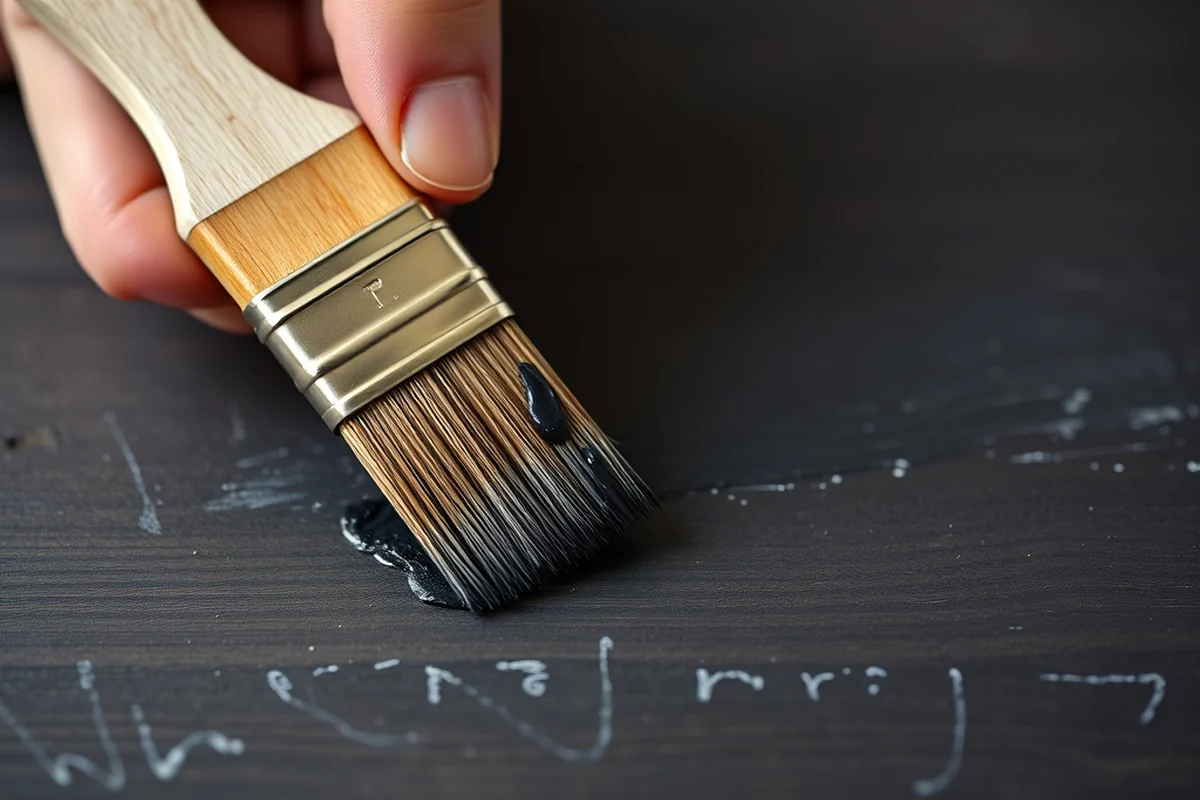
Chalkboard paint is a ready-to-use product that’s designed to mimic the texture of a traditional chalkboard. It’s available in a variety of finishes and colors, and it’s typically applied in a two-step process: first, a primer to help the paint adhere, and then the chalkboard paint itself. I used it once on a section of my kitchen wall, and while the result was smooth and uniform, it lacked the texture and personal touch that homemade chalk paint had.
Chalkboard paint requires more preparation than homemade chalk paint. I found that it needed a primer coat, and the surface had to be sanded and cleaned thoroughly before application. It also took longer to dry—about two hours—compared to the one-hour drying time of homemade chalk paint. The paint itself is more rigid and doesn’t allow for the kind of customization that homemade chalk paint does. You can’t easily change the texture or color, and it’s generally more expensive.
Despite these differences, chalkboard paint is a great option if you want a professional-looking result with minimal effort. It’s durable, erasable, and can be used for a wide range of purposes, from organizing lists to creating art. The downside is that it doesn’t allow for the kind of experimentation that homemade chalk paint does. It’s harder to find a version that matches the exact shade or texture you want.
Chalkboard paint is perfect for a polished, ready-to-use surface.
Related: Small items to flip
Cost Comparison: Homemade vs. Chalkboard Paint
One of the biggest advantages of homemade chalk paint is the cost. A single batch of homemade chalk paint can be made for just over $2.40, compared to the $25–$40 range for a 1-gallon container of chalkboard paint. This makes homemade chalk paint an excellent option for those on a budget who still want to create a high-quality, customizable surface.[3]
I tested this by making three different batches and comparing the cost to a couple of store-bought options. The homemade paint was much cheaper, and I found that it covered more surface area than I expected. One batch was enough to cover a small table or a section of a wall, which would otherwise cost several dollars in store-bought paint.
Another benefit of homemade chalk paint is that you can make as much as you need without worrying about running out. With chalkboard paint, you might end up buying more than you need, which can add up quickly. Homemade chalk paint gives you full control over the cost and quantity, which is especially useful if you’re working on a large project.
If you have any leftover chalk from other projects, use it for your next batch of homemade chalk paint. It’s a great way to save money and reduce waste.
“I remember the first time I tried homemade chalk paint—it was a rainy afternoon, and I was desperate to give my old kitchen cabinets a…”— Flipper Lane editors
Related: Simple chalk paint versus acrylic paint
Texture and Application: A Hands-On Comparison
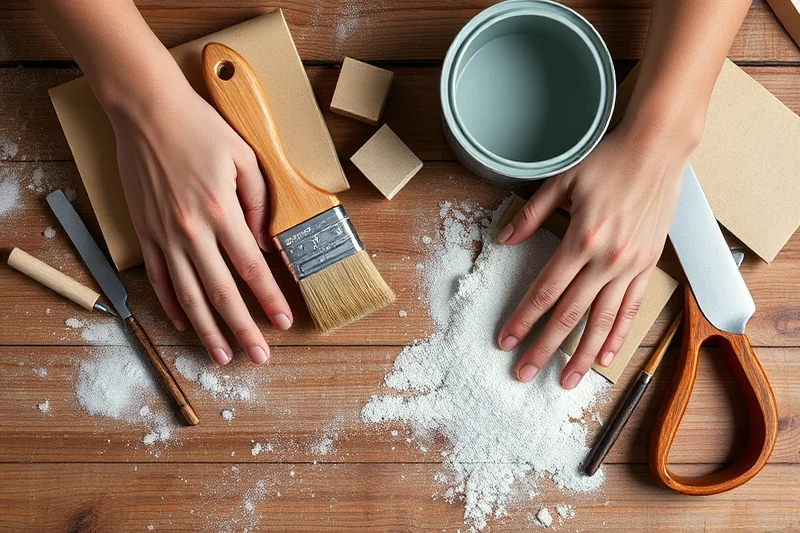
The texture of homemade chalk paint is one of its most defining characteristics. It has a subtle, grainy feel that’s similar to the surface of a traditional chalkboard, but it’s not as smooth. I found that this texture was actually more comfortable for writing on, as it didn’t feel as slippery as the surface of chalkboard paint. It also allowed for more depth in the strokes, which was a nice surprise.
Chalkboard paint, on the other hand, is designed to be as smooth as possible. It’s ideal for writing on, but it doesn’t have the same tactile feel as homemade chalk paint. I noticed that the strokes from a chalk pencil felt more precise on chalkboard paint, but the homemade version had a more organic, hand-crafted look. This made it perfect for areas where I wanted a more artistic or casual feel.
In terms of application, homemade chalk paint is easier to work with. It doesn’t require a primer, and it can be applied with a brush, sponge, or even your hands. Chalkboard paint, by contrast, needs more preparation and is best applied with a roller or brush. The process of applying chalkboard paint is more involved, which is why it’s often recommended for those who are looking for a more professional finish.
Related: Essential painting laminate furniture australia
Longevity and Durability: How Long Does Each Last?
With longevity, both homemade chalk paint and chalkboard paint are quite durable. I’ve used homemade chalk paint on several surfaces, and it’s held up well to regular use. The paint doesn’t crack or flake easily, and it can be easily erased and rewriten on multiple occasions. I found that the surface remained smooth and usable for at least six months before needing a light refresh.
Chalkboard paint, by contrast, is slightly more resistant to wear and tear. It doesn’t erode as quickly, and it can last for several years with proper care. However, I noticed that over time, the surface can become more difficult to write on, especially if it’s used in high-traffic areas. I had to reapply a thin layer of chalkboard paint after about a year of use to maintain the quality of the surface.
In terms of maintenance, homemade chalk paint is easier to care for. It doesn’t require any special cleaning products, and it can be wiped down with a damp cloth or a dry eraser. Chalkboard paint, on the other hand, may need a mild soap and water solution for deep cleaning. Both options are relatively low-maintenance, but homemade chalk paint has the advantage of being more flexible and easier to adjust as needed.
⭐ Classic
The traditional mix of chalk, cornstarch, and water for a smooth, matte finish.
💰 Budget
Use leftover chalk and cornstarch from other projects to cut costs.
⚡ Extra-Fast
Skip the cornstarch for a quicker, thinner paint that dries faster.
✨ Depth
Add a touch of white paint to the mix for a more vibrant, colored surface.
🥗 Light
Use a lighter-colored chalk for a softer, more pastel finish.
| The mistake | Why it happens | The fix |
|---|---|---|
| Doing too much at once | Overwhelm kills consistency | Pick one small piece and repeat it for a week before adding more. |
| Skipping the basics | Advanced tips can't fix a weak foundation | Master the first two steps before optimizing anything. |
Materials & Tools tap to check off
- 1 lb powdered chalk
- ½ cup cornstarch
- water to desired consistency
Method tap a step when done
- In a large mixing bowl, add 1 lb of powdered chalk and 0.5 cups of cornstarch. Stir well to combine.
- Gradually add water, one tablespoon at a time, until the mixture reaches a thick, paint-like consistency. Avoid adding too much water at once to prevent clumping.
- Let the mixture sit for 5–10 minutes to allow the cornstarch to fully absorb the moisture and thicken the paint.
- Once the mixture has thickened, stir it again to ensure even consistency. If the paint is too thick, add more water, a teaspoon at a time.
- Transfer the paint to a container with a lid. It can be stored for up to one week in a cool, dry place.
- Apply the paint to the desired surface using a brush, sponge, or your hands, ensuring even coverage.
Key Facts
Related: Minimalist clear coat paint
Homemade Chalk Paint Vs Chalkboard Paint
Related: Simple thrift store flips
Common Questions
Can I use homemade chalk paint on any surface?
Does homemade chalk paint require a primer?
How long can homemade chalk paint be stored?
Can I add food coloring to homemade chalk paint?
References
- PDF Family Art from Home Let's Make Tempera Paint at Hom (cabq.gov)
- PDF Microsoft Word - 3 Ingredient Puffy Paint - City of Sacramento (cityofsacramento.gov)
- PDF Homemade Egg Sidewalk Chalk - uetnutah.gov (uetnutah.gov)
Cite this guide
Flipper Lane (2026). Homemade Chalk Paint Vs Chalkboard Paint. https://flipperlane.com/homemade-chalk-paint-vs-chalkboard-paint/
Feel free to cite or share this guide.