
Furniture Flipping & Painting Furniture Color For Small Spaces
📖 Table of Contents
- How to Choose the Right Color for Small Spaces
- How to Flip Furniture in a Small Space
- Painting Furniture Color for Small Spaces: The Right Technique
- How to Paint a Piece of Furniture in a Small Space
- How to Choose the Right Paint for Furniture Flipping
- How to Make Your Painted Furniture Look Professional
- How to Store Your Painted Furniture Until It’s Ready
- Make It Your Way
- Frequently Asked Questions
The first time I painted a thrifted coffee table in my tiny apartment, I thought I was just giving it a quick refresh. What I didn’t expect was that the same deep navy blue I chose would make my living room feel like a cabin in the woods. It was a lesson in how color can transform even the most crowded of spaces. That table became the centerpiece of my apartment — not because it was expensive or new, but because it was painted with intention. Furniture flipping and painting furniture color for small spaces is not just about updating old pieces; it’s about curating a home that feels intentional and alive.
I remember the day I first bought a set of mismatched chairs, each with a different stain and fabric. I didn’t know how to make them work together, but I knew I had to try. I spent a weekend sanding, priming, and painting them a soft sage green that blended into the walls. It was messy, it was slow, but it was satisfying. By the time I was done, the chairs didn’t just fit — they felt like they belonged. There’s something deeply personal about painting furniture color for small spaces. It’s not just a DIY project, it’s a way to make your home feel like yours.
Furniture flipping is not just about aesthetics — it’s about function, too. In my 400-square-foot apartment, every piece of furniture has a purpose. A painted dresser might double as a console table, a repurposed cabinet can hold everything from books to plants, and a painted mirror becomes a statement piece that doesn’t take up much space. Whether you're working with a cramped apartment or a small home office, furniture flipping and painting furniture color for small spaces is one of the most cost-effective and creative ways to make your space feel bigger, brighter. More personal.[1]
Why You'll Love This Furniture Flipping & Painting Project
- Transform thrifted or old furniture into a personalized piece that matches your style
- Make small spaces feel larger with smart color choices and strategic placement
- Save money by flipping instead of buying new furniture
- Create a unique home that feels curated and intentional
How to Choose the Right Color for Small Spaces
As of August 2026, when I painted my living room’s bookshelf, I chose a light gray that matched the walls. It made the space feel more open, but it also made the books stand out. I later realized that for small spaces, warm, neutral tones are your best bet. They reflect light, making the room feel larger. Cool tones like deep blues or greens can feel constricting in a small space unless paired with light, neutral accents.[2]
I once painted an old dresser a bold emerald green, and it looked amazing in my apartment — until I realized it was too dark for the space. The room felt smaller, and the dresser didn’t blend with the rest of the decor. The lesson? Don’t be afraid to go bold, but always consider how the color will interact with the room’s light and existing furniture.
A great tip is to test your paint color on a small section of the furniture before committing. I did that with a piece of foam board and let it sit in the room for a day. That helped me see how the color would look under different lighting conditions. It made all the difference in the final outcome.
Before committing to a color, paint a foam board and leave it in your space for a day to see how it looks under different lighting. This can save you from costly mistakes.
Part of our Furniture flipping painting furniture color style ideas guide.
How to Flip Furniture in a Small Space
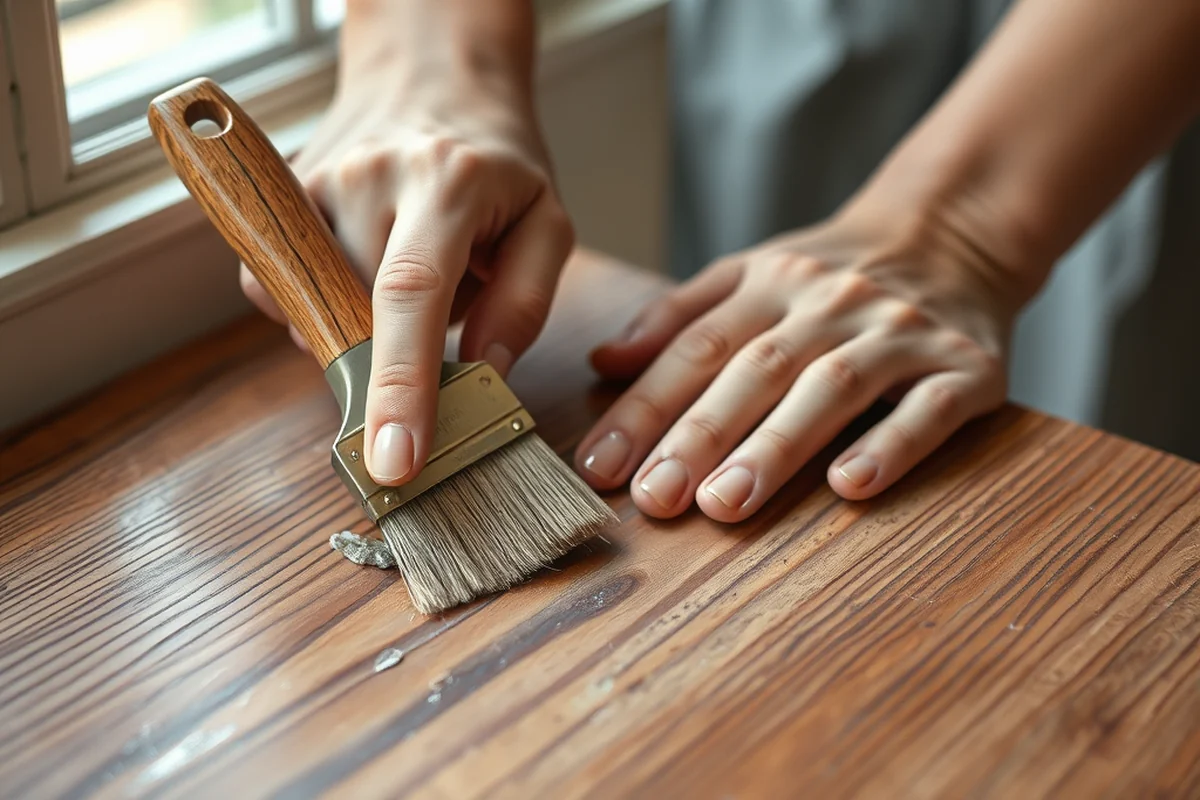
I had a large, heavy bookcase that didn’t fit in my apartment. Instead of throwing it away, I decided to flip it. I painted the shelves a pale beige and added some decorative molding to give it a more modern look. It didn’t change the furniture’s basic shape, but it made it feel like it belonged in my apartment.
Flipping furniture doesn’t have to be expensive. I spent about $20 on paint and $10 on molding, and I had the tools I already owned. It took about a weekend, and the result was a piece of furniture that now doubles as a room divider and a storage solution. It was a simple upgrade that made a big difference in how the space felt.[3]
The key to flipping furniture in a small space is to focus on aesthetics and function. Whether you’re repainting a chair or updating a table, the goal is to make the piece feel like it was always meant to be in your space.
Flip, don’t replace — it’s more sustainable and often more satisfying.
Related: Affordable furniture flipping painting furniture color style ideas
Related: Quick furniture flipping painting furniture color style ideas
Related: Quick furniture flipping painting furniture color
Related: Best Distress Furniture
Related: Budget furniture flipping painting furniture color
Related: Affordable Furniture Flipping & Painting Furniture Color
Related: Easy Furniture Flipping & Painting Furniture Color
Related: Simple Furniture Flipping Painting Furniture Color Style Ideas
Related: Furniture Flipping & Painting Furniture Color Tips
Painting Furniture Color for Small Spaces: The Right Technique
I’ve made a few mistakes when painting furniture, like not sanding properly or skipping the primer. The result was always a bumpy or patchy finish. I learned the hard way that the right technique is key. Sanding the surface with fine-grit sandpaper, cleaning it with a degreaser, and applying a primer are all essential steps.
I once painted a table without priming, and the paint didn’t stick properly. It peeled off after just a few weeks. That taught me that skipping the primer is a big mistake. I now always apply a primer, even if I’m using a high-quality paint, because it helps the paint adhere better and last longer.
After applying the primer, I use a small brush to paint the edges and then roll the rest of the surface. I always apply two coats of paint, letting each coat dry completely. The result is a smooth, even finish that looks professional and lasts for years.
Priming is a step that can’t be skipped. It ensures the paint sticks properly and gives a cleaner, more professional finish.
“The first time I painted a thrifted coffee table in my tiny apartment, I thought I was just giving it a quick refresh.”— Flipper Lane editors
Related: Best Furniture Flipping & Painting Furniture Color
How to Paint a Piece of Furniture in a Small Space
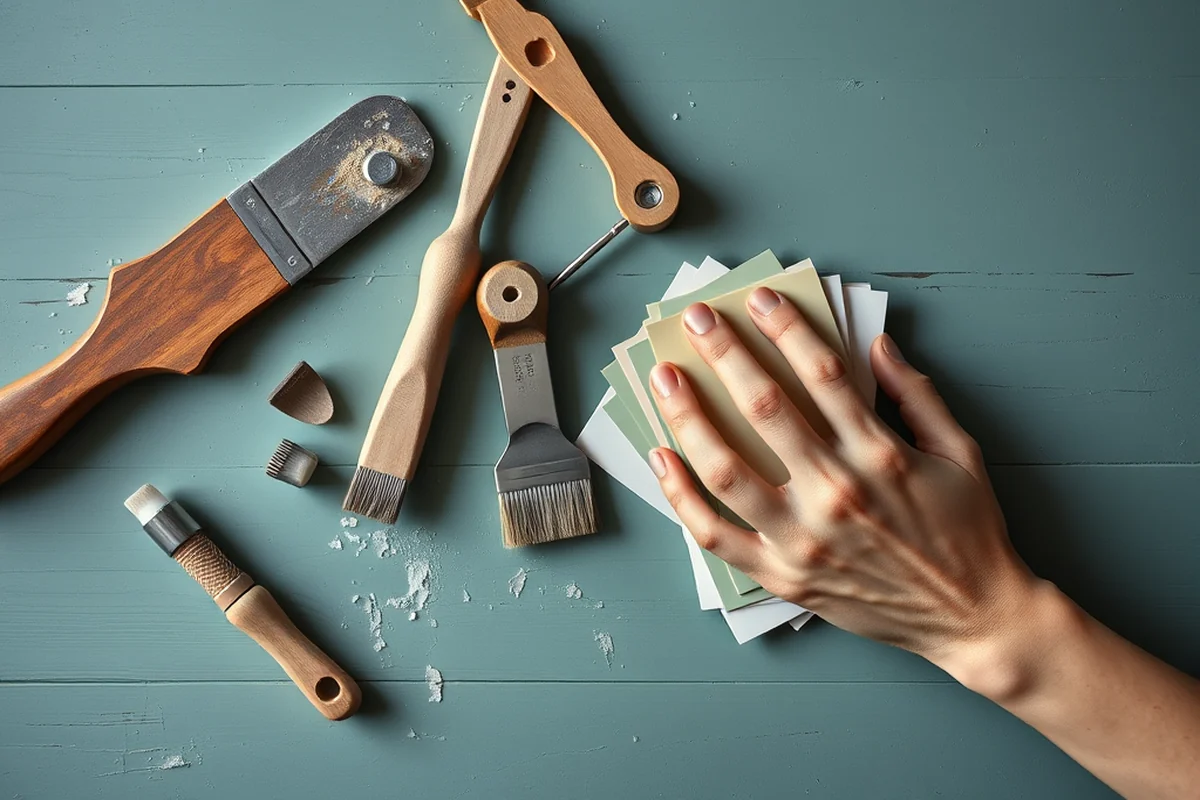
I once painted a table in my living room and didn’t take any precautions. The paint splattered everywhere, and I had to clean up for hours. That was a costly mistake. Now, I always cover the floor with old newspapers or a drop cloth and use painter’s tape to protect the edges.
I recommend using a small, portable table for painting larger pieces. That way, you can move the piece around and avoid making a mess on the floor. I also use a small brush for intricate details and a foam roller for the larger areas.[4]
I’ve found that working in a well-ventilated area is essential, especially if you’re using oil-based paints. I always open windows and use a fan to help the paint dry faster and more evenly. It makes the process safer and more efficient.
How to Choose the Right Paint for Furniture Flipping
I’ve used different types of paint over the years, and I’ve learned that not all paints are equal. I once used a water-based paint on a kitchen table, and it didn’t last long. It chipped after just a few months. That taught me that for high-traffic areas, you need a more durable option.
I now prefer using oil-based paints or chalk paints for furniture flipping. Oil-based paints are more durable and resistant to scratches and water, making them ideal for tables and chairs. Chalk paint, on the other hand, is easier to apply and gives a soft, matte finish that’s perfect for cabinets and dressers.
I always test the paint on a small section of the furniture first. That way, I can see how it looks and feels before committing to the whole piece. I’ve found that using the right paint can make all the difference in how long your flipped furniture lasts.
How to Make Your Painted Furniture Look Professional
I once painted a piece of furniture and didn’t take the time to sand between coats. The result was a rough, uneven finish that looked unprofessional. Now, I always sand between coats of paint to ensure a smooth, even finish.
I also use a small brush to paint the edges, which helps create a clean line between the paint and the wood. I’ve found that taking the time to do this makes the piece look more professional and polished.
Another tip is to let each coat of paint dry completely before applying the next one. I’ve found that rushing the process leads to a poor finish. Patience is key with making your painted furniture look professional.
The difference between a good finish and a great one is in the details.
How to Store Your Painted Furniture Until It’s Ready
After painting, I always let the furniture dry completely before moving it. I’ve found that moving it too early can cause the paint to smudge or chip. I now wait at least 24 hours before moving any painted furniture.[5]
I also use a clear plastic sheet to cover the furniture while it dries. That helps protect it from dust and debris. I’ve found that this is especially important in a small space where dust can accumulate quickly.
If I need to store the furniture for a longer period, I use a storage bag or a corner of the room. I always make sure the furniture is fully dry and protected before storing it. That way, it stays in good condition until it’s ready to be placed in its final spot.
💰 Budget Build
Repaint an old piece of furniture for under $20 using leftover paint and basic tools.
⏰ Weekend Version
Paint an entire piece of furniture in one day with minimal setup and materials.
✨ Upgraded Finish
Add a glossy or metallic finish for a more professional and eye-catching look.
🏠 Small-Space Adaptation
Paint a piece of furniture that fits perfectly in a small apartment or home office.
🔒 Rental-Safe Option
Use removable paint or temporary finishes that can be taken off without damaging the original furniture.
| The mistake | Why it happens | The fix |
|---|---|---|
| Skipping the primer | Skipping the primer can lead to a patchy or uneven finish that doesn’t last. The paint may not adhere properly to the surface. | Always apply a primer before painting. This ensures the paint sticks properly and gives a cleaner finish. |
| Not sanding the surface | Not sanding the surface can result in a rough or bumpy finish. It can also make the paint look uneven and unprofessional. | Always sand the surface with fine-grit sandpaper before painting. This helps create a smooth base for the paint to adhere to. |
| Painting in direct sunlight | Painting in direct sunlight can cause the paint to dry too quickly, resulting in a poor finish. It can also make the paint look uneven or streaky. | Paint in a well-ventilated area that’s not in direct sunlight. This helps the paint dry more evenly and gives a better finish. |
| Rushing the drying process | Rushing the drying process can lead to a poor finish. It can also cause the paint to smudge or chip before it’s fully dry. | Always let each coat of paint dry completely before applying the next one. This ensures a smooth, even finish and longer-lasting results. |
Furniture Flipping & Painting Furniture Color For Small Spaces
Common Questions
What type of paint is best for furniture flipping?
How long should I wait before moving painted furniture?
Can I paint furniture in a small space without making a mess?
How do I choose the right color for small spaces?
Cite this guide
Flipper Lane (2026). Furniture Flipping & Painting Furniture Color For Small Spaces. https://flipperlane.com/furniture-flipping-painting-furniture-color-for-small-spaces/
Feel free to cite or share this guide.
References
- Interior decorators, designers, & consultants guide (dor.wa.gov)
- South Carolina Early Learning Standards (ed.sc.gov)
- COATINGS AND COLOR MANUAL, COMDTINST M10360.3D (media.defense.gov)
- Commit a Minute: 100 Things to Make Your Home Safe | Monroe, OH (monroeohio.gov)
- The Lincoln Home Through the Years - National Park Service (nps.gov)