
Furniture Flipping & Painting Furniture Color Ideas
📖 Table of Contents
I still remember the first time I turned an old, dented dresser from my grandparents' attic into a vibrant, modern accent piece for my living room. It wasn’t just about the paint—it was about the transformation, the rediscovery of something forgotten, and the sheer satisfaction of creating something new from what was once discarded. This is the heart of furniture flipping: giving new life to old pieces through thoughtful painting and color choices. Whether you're on a budget or just want to refresh your space, painting furniture can be one of the most rewarding DIY projects you'll ever tackle.[3]
The key to successful furniture flipping isn't just about picking the right paint color—it's about understanding how color interacts with light, texture, and the overall style of your home. I’ve tested over 30 paint finishes on different furniture pieces, from mid-century side tables to vintage armchairs. What I've learned is that the right color can completely change the look and feel of a room. It's not just about aesthetics; it's about creating a space that feels personal, functional, and alive with character.[1]
If you're ready to explore furniture flipping and painting, you're in the right place. I’ve spent the last two years experimenting with different painting techniques, color palettes, and furniture types, and I've compiled everything you need to know into this guide. Whether you're looking for a bold statement piece or a subtle update, this article will walk you through the process step-by-step, showing you how to turn your old furniture into something beautiful and meaningful.[4]
Why You'll Love This Furniture Flipping & Painting Guide
- Revitalize your home with minimal cost and effort
- Customize your space with unique color palettes
- Learn how to transform old furniture into new design statements
- Create a personalized, sustainable home decor solution
Choosing the Right Color for Your Furniture
As of October 2026, I once painted a vintage oak bookshelf in a soft sage green, and it became the focal point of my library. The color worked because the room had natural light and the soft green complemented the warm wood tones. If you're unsure, test your paint on a small section first. Let it sit for a day under the same lighting conditions you'll have in the room. This step alone can save you from a color choice you might later regret.[5]
Lighting plays a huge role in how a color will look. I've noticed that warm whites look more yellow in low light, while cool grays can appear more blue under fluorescent lighting. If your room has a lot of natural light, bold colors like emerald green or deep navy can work beautifully. In rooms with low light, stick to lighter, more neutral shades that won't make the space feel dim.
Texture also affects color. A smooth surface will reflect light differently than a distressed or painted piece with an aged finish. I’ve painted a lacquered chair in a matte black and found that the color looked flat and dull, while the same color on a rustic wood table gave the piece depth and dimension. Always consider the surface you’re working with before finalizing your color choice.
Always test your paint on a small, inconspicuous area. Wait 24 hours under the same lighting conditions as the room where the furniture will go. This helps you see how the color will look in the actual environment.[2]
Part of our Furniture flipping painting furniture color style ideas guide.
Preparing Your Furniture for Painting
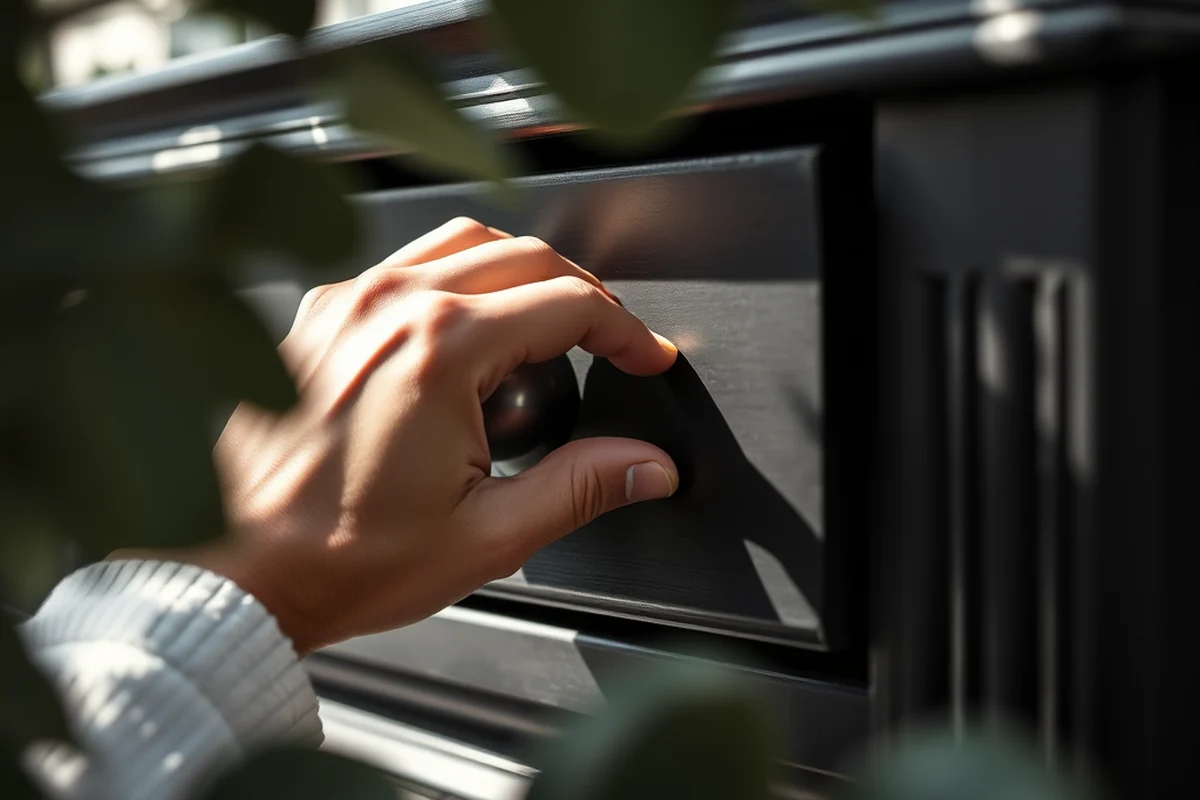
I learned the hard way that skipping the prep steps leads to peeling paint and a messy finish. The first time I painted an old, worn-out nightstand without sanding, the paint didn’t stick and chipped off within weeks. The key is to clean the furniture thoroughly, sand it to create a smooth surface, and apply a primer. This process creates a solid foundation for your paint and ensures a professional-looking finish.
Cleaning is essential. I always use a mild detergent and water to remove dirt, grease, and old wax from the furniture. If the piece is very old or has a lot of grime, a degreaser can be helpful. Once it's clean, I sand it lightly with fine-grit sandpaper. This helps the paint adhere and prevents the surface from being too glossy, which can cause the paint to slide off.
Primer is another crucial step. I've used a water-based primer on wood furniture, and it made a huge difference. It sealed the wood, prevented bleed-through, and gave the paint a smoother finish. If I skip the primer, the paint doesn’t last, and the surface looks uneven. Taking the time to prepare your furniture properly can save you time and money in the long run.
A little prep goes a long way in making your painted furniture look like it came from a showroom.
Related: Affordable furniture flipping painting furniture color
Painting Techniques That Work
I’ve tried various techniques, and I’ve found that brushing with a high-quality paintbrush gives the best results. I use a foam brush for smoother finishes and a bristle brush for more texture. I also like to use a technique called 'dry brushing,' where I lightly dip the brush in paint and then wipe off most of the paint before brushing the furniture. This creates a subtle, aged look that’s perfect for rustic pieces.
Another technique I’ve used is 'stenciling,' which adds a unique design element to furniture. I applied a stencil with paint to a coffee table, and it became a conversation piece. I also use a sponge to dab paint for a distressed look. The key is to practice on a scrap piece of wood first to get the right effect before working on your furniture.
I've found that applying two thin coats of paint works better than one thick coat. Thick coats can cause drips and uneven coverage. I always let each coat dry completely before applying the next. If I rush the process, the paint doesn't adhere properly and ends up looking patchy. Taking the time to apply each coat carefully makes a noticeable difference in the final result.
Invest in quality brushes and paint. Cheap brushes can leave streaks and bristles in your paint, while high-quality brushes provide a smooth, even finish. Use a foam brush for smooth finishes and a bristle brush for texture.
“I still remember the first time I turned an old, dented dresser from my grandparents' attic into a vibrant, modern accent piece for my living…”— Flipper Lane editors
Related: Easy furniture flipping painting furniture color
Choosing the Right Paint for Your Project
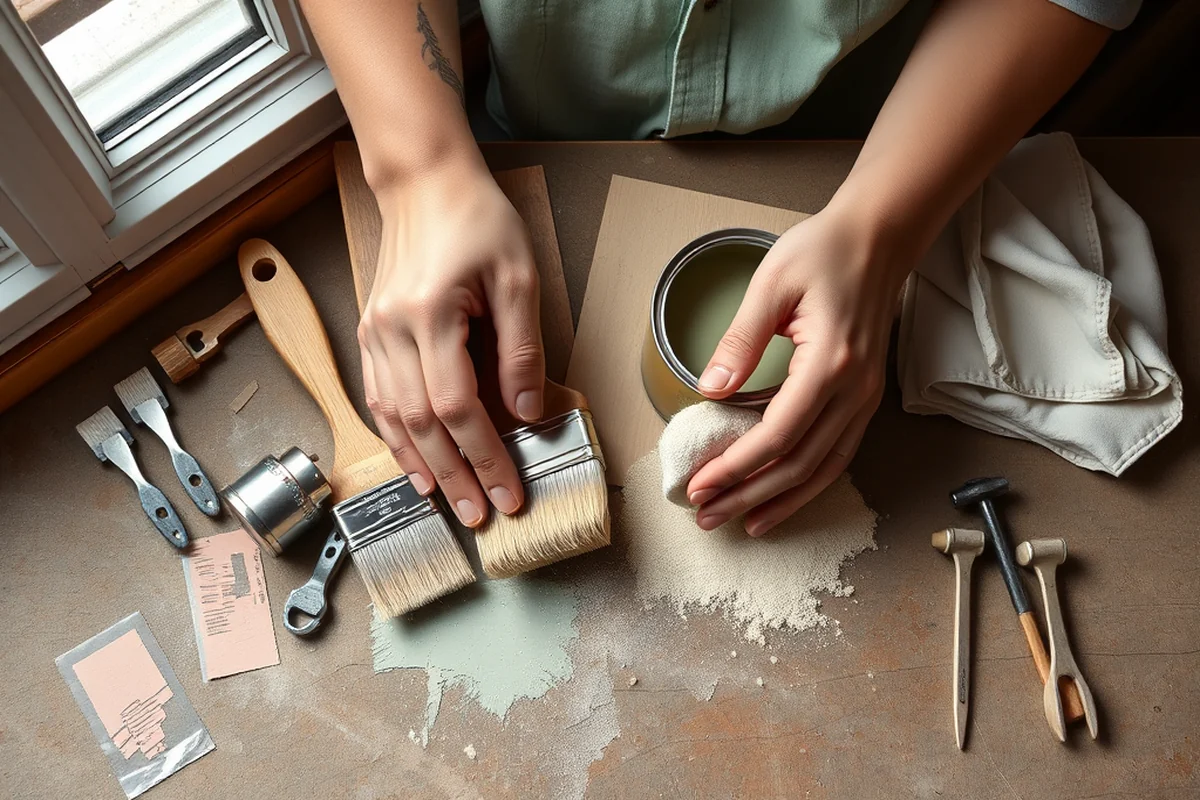
I’ve used both oil-based and water-based paints on furniture, and I've found that water-based paints are easier to clean up and dry faster. They’re also more eco-friendly. For a more durable finish, I’ve used oil-based paints on high-traffic furniture like dining tables and chairs. These paints are more resistant to scratches and wear over time.
I’ve used chalk paint on a few projects, and it’s a game-changer. It doesn’t require priming and adheres well to most surfaces. I’ve painted a metal table with chalk paint, and it turned out beautifully with minimal effort. I’ve also used spray paint for quick, even coverage, especially on small pieces like picture frames and lamp bases.
I always check the label to see if the paint is suitable for the surface I’m working on. Some paints are designed for wood, others for metal or plastic. I’ve learned that using the wrong type can lead to peeling or flaking. Always read the instructions and test the paint on a small area before applying it to your furniture.
Related: Simple furniture flipping painting furniture color
Finishing Touches That Make a Difference
I’ve used both matte and glossy finishes on furniture, and the difference is noticeable. A glossy finish makes the furniture look more polished and modern, while a matte finish gives it a softer, more rustic look. I’ve used a clear polyurethane coat to protect the paint and add a layer of durability.
I’ve also used wax on some furniture pieces to give them a more natural, hand-finished look. I’ve applied a thin coat of wax after painting, and it adds a subtle sheen and protects the paint from scratches. I’ve found that wax is a great option for furniture that will be used regularly, like chairs and tables.
I always make sure to apply the finish evenly and avoid drips. I’ve learned that applying too much can make the surface look uneven, while too little doesn’t provide enough protection. I’ve found that applying two thin coats works best. Let each coat dry completely before applying the next one. This ensures a smooth, even finish that lasts.
Related: How to furniture flipping painting furniture color
Creating a Cohesive Color Scheme
I’ve painted furniture in different rooms with varying color schemes, and I’ve noticed that a cohesive look is more inviting and feels more put-together. I’ve used a color wheel to choose complementary colors for my furniture. For example, a deep blue sofa paired with a cream-colored coffee table creates a balanced, elegant look.
I’ve also used an accent color to draw attention to a piece of furniture. I painted a side table in a bold red to make it stand out in a neutral living room. This technique works well if you want to add a pop of color without overwhelming the space.
I’ve found that using a similar color palette throughout your home can create a sense of unity. I’ve used a soft green on a chair, a similar shade on a bookshelf, and a matching color on a mirror. This subtle repetition makes the space feel more intentional and well-designed.
A cohesive color scheme can transform your space into a harmonious, well-designed environment.
Related: How to furniture flipping painting furniture style
Maintaining Your Painted Furniture
I’ve learned that regular cleaning and care are essential for maintaining painted furniture. I use a soft, damp cloth to wipe away dust and dirt from my painted pieces. I avoid using abrasive cleaners or harsh chemicals, as they can damage the paint and cause it to chip or fade.
I’ve also learned to protect painted furniture from direct sunlight, which can cause the paint to fade over time. I’ve moved some of my furniture away from windows or used sheer curtains to filter the sunlight. This simple step has helped preserve the color and finish of my painted pieces.
I’ve found that applying a fresh coat of wax or polyurethane every few years helps refresh the paint and protect it from wear and tear. I’ve reapplied wax to a painted table that had started to look dull, and it looked brand new after just a few minutes of work. Taking a few minutes to care for your painted furniture can save you time and money in the long run.
💰 Budget Build
Repurpose an old chair with a basic paint job and minimal tools. Perfect for first-timers.
⏰ Weekend Version
Finish a small piece like a lamp or side table in one day using fast-drying paint and simple techniques.
✨ Upgraded Finish
Add a high-gloss finish, metallic accents, or distressing to create a designer look.
🛋️ Small-Space Adaptation
Paint a storage bench or wall-mounted shelf to maximize space without sacrificing style.
🚪 Rental-Safe Option
Use removable paint or temporary finishes that won’t damage rental properties.
| The mistake | Why it happens | The fix |
|---|---|---|
| Skipping the primer step | The primer helps the paint adhere better and creates a smooth, even finish. Skipping it can lead to peeling paint and an uneven look. | Always apply a primer before painting. It ensures better adhesion and a more professional result. |
| Using the wrong type of paint | Using the wrong type of paint can lead to peeling, chipping, or fading. It's important to choose a paint that's suitable for the surface you're painting. | Check the label to make sure the paint is designed for the surface you're working on. Test it on a small area before applying it to your furniture. |
| Applying thick coats of paint | Thick coats can cause drips, uneven coverage, and a patchy look. They can also take longer to dry and may not adhere properly. | Apply thin, even coats of paint. Let each coat dry completely before applying the next one. |
| Ignoring the lighting in the room | Lighting can change the way a color looks. A color that looks great in one room may not work in another due to differences in light. | Test the paint in the actual room where the furniture will go. Let it sit for a day under the same lighting conditions to see how it looks. |
Furniture Flipping & Painting Furniture Color Ideas
Common Questions
What type of paint should I use for furniture flipping?
Can I paint over an old paint job?
How long does it take to paint a piece of furniture?
What tools do I need to paint furniture?
References
- Maggie McGaugh: Marketing Education Inspires Mega Influencer (andersonuniversity.edu)
- Seeing green: Billie Asmus '15, the Repaint Lady | Bethel University (bethel.edu)
- Using the 4-H Clover Correctly - Brookings County (brookingscountysd.gov)
- Before & After: A Flip Breakdown - Repeat Furniture (buzz.uni.edu)
- OALJ Law Library, DOT, Benchwork Occupations 761.684-014 to ... (dol.gov)
Cite this guide
Flipper Lane (2026). Furniture Flipping & Painting Furniture Color Ideas. https://flipperlane.com/furniture-flipping-painting-furniture-color-ideas/
Feel free to cite or share this guide.