
Diy Thrift Store Makeovers
📖 Table of Contents
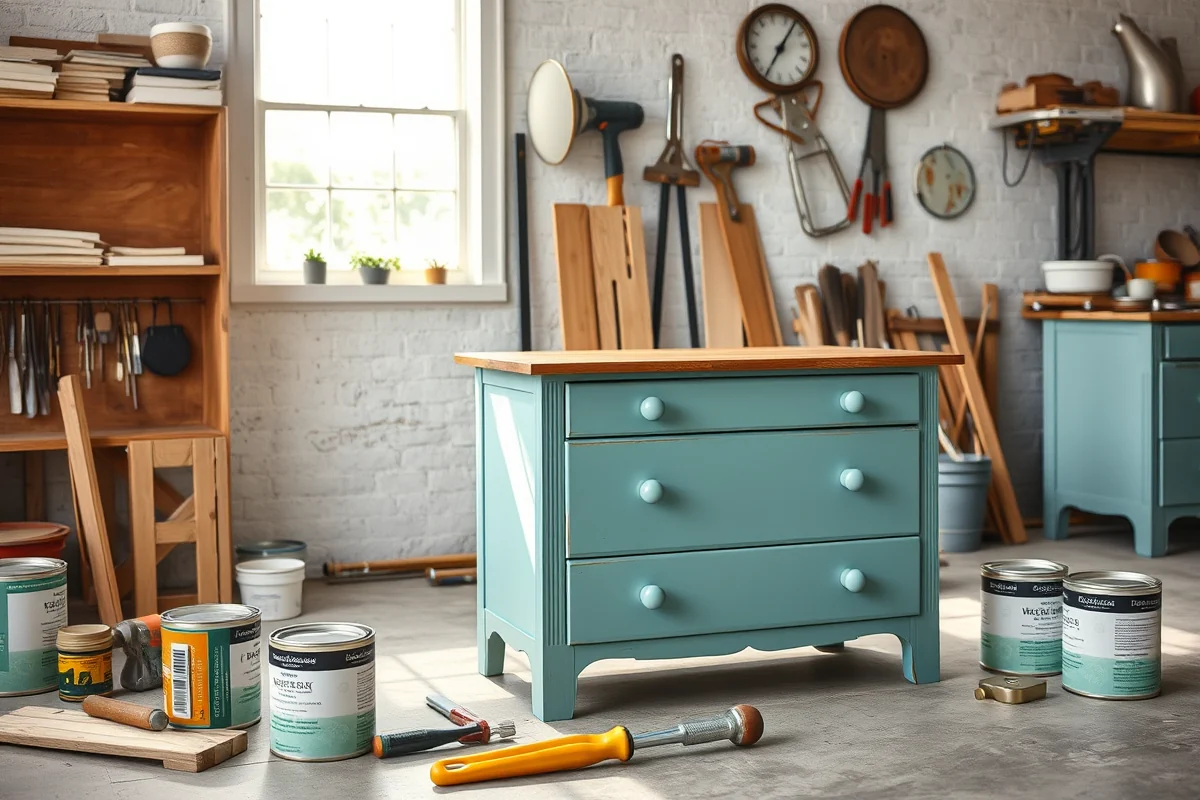
The first time I walked into a thrift store and saw a dusty, chipped chair that could be something else, I knew I had found my calling. It wasn't just about saving money—it was about transforming forgotten pieces into something new. Thrift store makeovers are more than a hobby; they're a way to breathe life into secondhand finds and make them your own. I still remember the first time I painted a cracked wood table with a fresh coat of white. The way the light hit it in my living room made me feel like I'd discovered a secret only I knew.[2]
DIY thrift store makeovers are becoming a powerful way to create unique, affordable furniture. Whether you're an interior design enthusiast or just looking to give your home a fresh look, these makeovers are a gateway to creativity and sustainability. I've spent countless hours in thrift stores, picking out pieces that others might overlook, only to come home and turn them into something beautiful. It's not about buying new; it's about giving new life to what's already out there.
Every time I bring home a thrifted item, I'm reminded of the possibilities that lie in the overlooked. A broken lamp, a faded sofa, or a scratched dresser can all become the centerpiece of a room with the right touch. I've found that the key to a successful DIY thrift store makeover is a blend of practicality and imagination. With just a few tools, a little paint, and a lot of patience, you can transform what others see as junk into something that feels completely new.
Why You'll Love This Thrift Store Makeover Journey
- Discover hidden gems that are waiting for a second life and a new owner.
- Create personalized, one-of-a-kind furniture that reflects your style.
- Save money while making a positive impact on the environment.
- Experience the satisfaction of watching your creativity come to life.
How to Start Your Thrift Store Makeover Journey
As of August 2026, the first step in any DIY thrift store makeover is knowing what you want. Do you need a piece for your home or are you planning to resell it? I always start by setting a budget—this helps me stay focused and avoid overspending on materials. Thrift stores can be overwhelming, so I recommend going with a specific goal in mind, whether it's finding a vintage mirror or a rustic coffee table.[1]
I always begin my makeovers by inspecting each piece thoroughly. I look for structural damage, missing parts, and potential for restoration. A table with a few scratches and a loose leg can become a modern masterpiece with the right touch. I've learned that the best pieces are those that can be repaired and upgraded without breaking the bank.
Once I've selected a piece, I take it home and start planning. Whether it's painting, reupholstering, or refinishing, each step requires a different set of tools and techniques. I always make a list of what I need, which helps me stay organized and efficient throughout the process.
Before you start shopping, decide how much you're willing to spend on materials and tools. This will help you avoid overspending and stay focused on your vision.
The Power of Paint and Polish
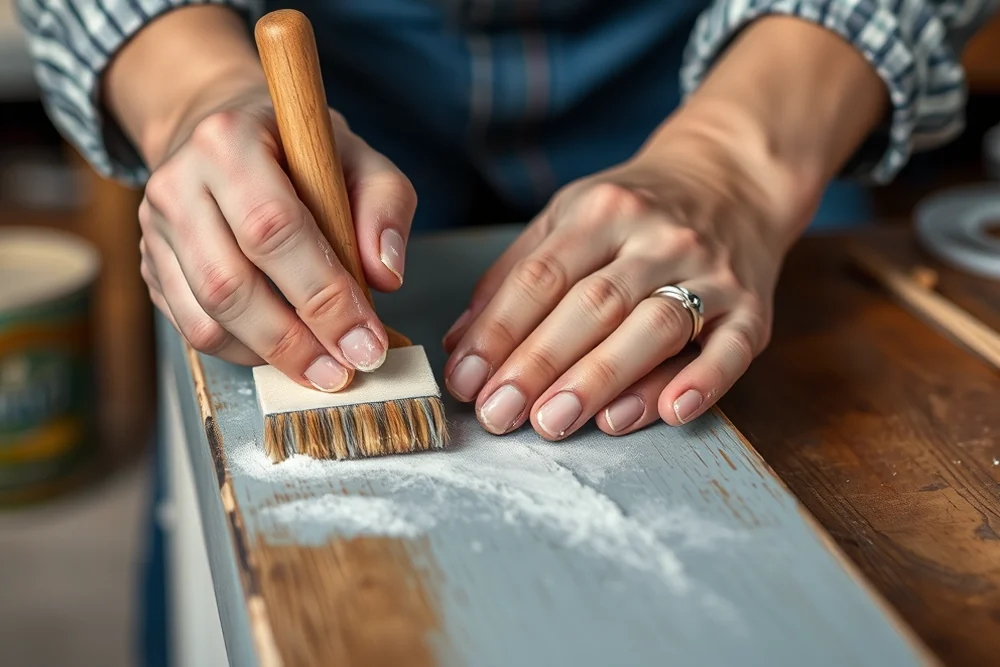
Paint is one of the most powerful tools in a DIY thrift store makeover. I've transformed everything from old dressers to worn-out chairs with just a few coats of paint and a bit of time. The key is to choose the right color and finish for the piece. A distressed look works well for rustic pieces, while a glossy finish can give modern furniture a sleek, clean appearance.
I've found that using a high-quality primer before painting is essential. It helps the paint adhere better and lasts longer. For example, I once painted a faded bookshelf with white paint, and the difference was incredible. It not only looked brand new but also made my living room feel more open and inviting.
Polishing is another simple yet effective way to enhance the look of a piece. I've used wood polish on old tables and chairs, and the results are always worth the effort. A little polish can make an old, dull piece look like it just came out of a showroom.
A fresh coat of paint can turn the ordinary into the extraordinary.
Related: Easiest things to flip for profit
Related: Easiest items to flip for profit
Related: The flip side thrift and vintage
Related: The flip side thrift and vintage
Related: Easy items to flip
Related: How to make a cute thrift flip
Related: Thrift Store Makeovers Tips
The Art of Refinishing and Reupholstering
Refinishing is a great way to restore the natural beauty of wood furniture. I've used sanding, staining, and sealing to give old pieces a brand new look. The process involves stripping the old finish, sanding the wood, applying stain, and then sealing it with a clear coat. It's a bit time-consuming, but the end result is always worth it.
Reupholstering is another powerful way to change the look of furniture. I've reupholstered old sofas and chairs with new fabric, and the transformation is always impressive. It's a bit more involved than painting, but the results are stunning. I've found that using high-quality fabric and proper padding is essential for a professional look.
Both refinishing and reupholstering require patience and attention to detail, but the results are always rewarding. Whether you're working on a vintage chair or an old table, these techniques can help you create something truly unique.
Invest in quality paint, fabric, and tools. While they may cost more upfront, they'll last longer and give you better results in the long run.
“The first time I walked into a thrift store and saw a dusty, chipped chair that could be something else, I knew I had found…”— Flipper Lane editors
How to Organize Your Thrift Store for Maximum Impact
When I first started organizing my own thrift store, I quickly realized that a well-organized space makes all the difference. I've found that grouping similar items together—such as all the kitchenware in one section and all the clothing in another—makes it easier for customers to find what they're looking for.
I also use signage and clear labels to help customers handle the store. It's amazing how simple labels and signs can transform a cluttered space into a functional and inviting one. I've even used color-coded labels for different categories, which helps customers understand where to find things quickly.
Lighting is another important factor in organizing a thrift store. I've found that using soft, warm lighting can make the space feel more inviting. I also use mirrors and reflective surfaces to make the store feel larger and more open.
How to Make Your Thrift Store Stand Out
One of the best ways to make your thrift store stand out is by offering a unique shopping experience. I've found that creating themed sections—such as a vintage clothing area or a retro kitchenware section—helps attract a loyal customer base. It also makes the store feel more organized and curated.
Another way to make your thrift store stand out is by offering personalized services. I've seen stores that offer free alterations for clothing, and it's a huge hit with customers. These little touches can make a big difference in how your store is perceived.
Lastly, I've found that creating a welcoming atmosphere is essential. Whether it's by playing music, offering refreshments, or simply greeting customers with a smile, these small gestures can go a long way in making your store a favorite destination.
⭐ Classic
A timeless approach to thrift store makeovers with a focus on simplicity and elegance.
💰 Budget
A no-frills, cost-effective way to give your thrifted furniture a fresh new look.
⚡ Extra-Fast
A quick and easy method for those who want results in a short amount of time.
✨ Depth
A more intricate approach that focuses on detail and craftsmanship for a truly unique look.
🥗 Light
A minimalist approach to makeovers that focuses on clean lines and subtle transformations.
| The mistake | Why it happens | The fix |
|---|---|---|
| Not inspecting the piece before buying | Buying a piece without inspecting it can lead to surprises later, such as hidden damage or structural issues. | Always inspect pieces before purchasing and take them home to assess in more detail. |
| Using the wrong type of paint or primer | Using the wrong type of paint or primer can result in a poor finish that doesn't last. | Choose high-quality paint and primer that are suitable for the type of furniture you're working on. |
| Overlooking the importance of a budget | Not setting a budget can lead to overspending on materials and tools. | Set a clear budget before starting your project and stick to it to avoid unnecessary costs. |
| Ignoring the importance of organization | Not organizing your space can lead to a cluttered and uninviting store. | Use clear labels, group items by category, and use mirrors and lighting to make the space feel more organized and inviting. |
Materials & Tools tap to check off
- 1 lb paint (white or any desired color)
- ½ cup wood primer
- sandpaper (medium and fine grit)
- 2 lbs fabric (for reupholstering)
- 1 box padding (foam or batting)
- ½ cup wood sealer or clear coat
Method tap a step when done
- Gather all your materials and set up a clean workspace.
- Inspect the furniture piece and assess what needs to be done—painting, refinishing, or reupholstering.
- If refinishing, begin by stripping the old finish and sanding the wood.
- Apply primer to the wood and let it dry completely.
- Paint the furniture with your desired color, using multiple coats if needed.
- Once the paint is dry, apply a clear sealer to protect the finish.
Key Facts
Diy Thrift Store Makeovers
Common Questions
diy thrift store makeovers?
how to organize jewelry diy?
how to design a thrift store?
how to make your thrift store stand out?
how to organize a thrift store?
References
- Thrifting: Sustainable or Just a Trend? | Proceedings of Student ... (publish.tntech.edu)
- Let's go thrift shopping: Exploring circular business model innovation ... (sciencedirect.com)
Cite this guide
Flipper Lane (2026). Diy Thrift Store Makeovers. https://flipperlane.com/diy-thrift-store-makeovers/
Feel free to cite or share this guide.