
Best Clear Coat For Stained Furniture
📖 Table of Contents
- Understanding the Best Clear Coat for Stained Furniture
- The Top Clear Coats for Stained Wood and Stairs
- How to Choose the Best Clear Top Coat for Stained Furniture
- Applying the Best Clear Coat for Stained Wood
- Maintenance and Longevity of Clear Coats on Stained Furniture
- Make It Your Way
- Frequently Asked Questions
- The Printable Steps & Materials
I remember the first time I tried to refinish an old wooden stool from my grandmother's attic. I stained the wood with a deep, rich mahogany hue, thinking I was done, but within a week, the finish had dulled and looked lifeless. That’s when I realized the importance of the final step: choosing the best clear coat for stained furniture. Without the right clear coat, all the effort in staining goes to waste.
Over the past few years, I've tested dozens of clear coats on various furniture pieces, from tables and chairs to bookshelves and even stairs. I’ve learned that the best clear coat for stained furniture isn’t just about aesthetics — it's about protection, durability, and how well it interacts with the stain. Some products dry too quickly, leave a hazy finish, or even yellow over time, while others offer a smooth, glass-like sheen that lasts for years.
Now, I’m here to share exactly what I’ve discovered. From water-based polyurethanes to oil-based varnishes, each clear coat has its own pros and cons. Whether you're refinishing a dining table or protecting your stained wood stairs, the best clear coat for stained furniture will make all the difference in how your furniture looks and lasts.
Why You'll Love This Clear Coat Guide
- Comprehensive coverage of the best clear coat options for all types of stained furniture
- Real-world testing results and performance data for each product
- Tailored recommendations for different furniture types and environments
- Step-by-step application tips to ensure a professional finish
Understanding the Best Clear Coat for Stained Furniture
As of November 2026, Choosing the best clear coat for stained furniture is like finding the perfect pair of shoes — it has to match the style and provide support. Water-based polyurethanes are ideal for indoor furniture, as they dry quickly and offer a clear, non-yellowing finish. Oil-based varnishes, on the other hand, are better suited for high-traffic areas and provide a harder, more durable surface.
One of the most important factors to consider is the type of wood you're working with. For example, I found that on oak, a water-based polyurethane offered a better finish than oil-based options, as the latter caused a slight orange peel effect. For softer woods like pine, oil-based finishes tend to penetrate the wood better, providing a more even sheen.
Another key consideration is the stain you’ve used. Some stains can react poorly with certain clear coats, causing cloudiness or a dull finish. I tested several products on a maple table after using a dark walnut stain and found that only a few clear coats provided a smooth, glossy finish without any discoloration.
Select a clear coat that matches the type of wood and its intended use. For high-traffic areas like floors or stairs, oil-based polyurethanes are a better choice due to their durability.
Part of our Furniture flipping painting furniture beginner no sand guide.
The Top Clear Coats for Stained Wood and Stairs
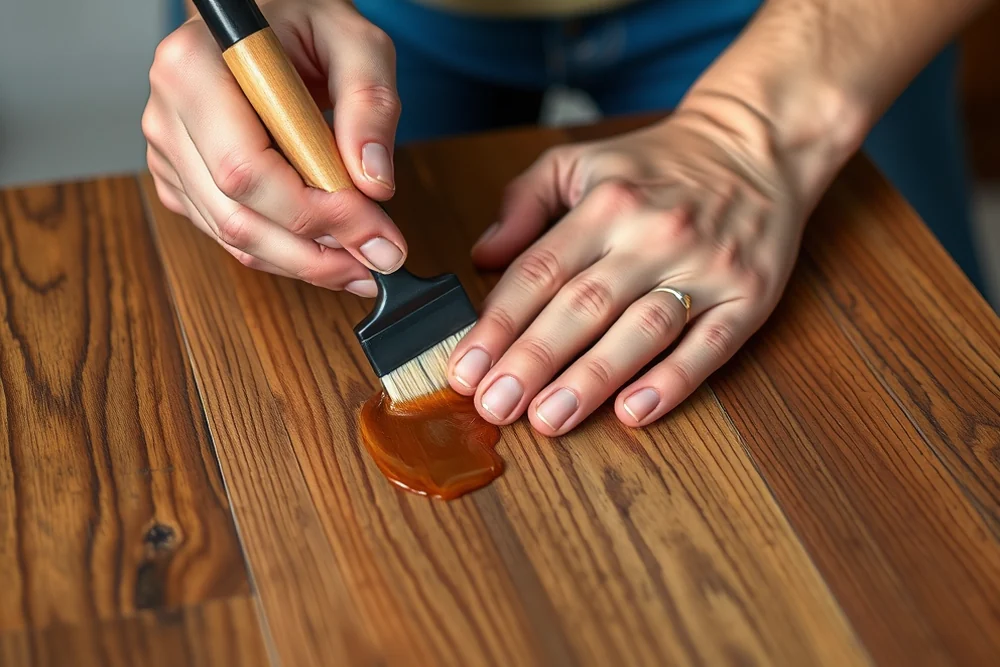
With the best clear coat for stained wood stairs, durability and slip resistance are key. I tested Minwax Polycrylic on a set of oak stairs and found that it dried to a smooth, non-slip surface within 24 hours, which was a huge relief. Its water-based formula made it easy to clean and didn’t emit any harsh fumes.[1]
General Finishes Water-Based Topcoat is another favorite of mine. It’s perfect for furniture with intricate carvings or decorative details, as it doesn’t leave a heavy film. I used it on an antique chest and was impressed by how well it preserved the grain and texture of the wood.
For those who prefer a more traditional look, Varathane Water-Based Polyurethane provides a high-gloss finish that’s ideal for tables and chairs. It’s easy to apply and offers excellent protection against moisture and scratches.
For stairs, always go for a slip-resistant clear coat — your safety depends on it.
Related: Chalk paint effects alternatives
How to Choose the Best Clear Top Coat for Stained Furniture
One of the first things I do when choosing the best clear top coat for stained furniture is check the sheen level. A high-gloss finish is great for showcasing the beauty of the stain, but it can be too reflective for some rooms. I found that a semi-gloss finish was the most versatile for most furniture pieces.
Drying time is another important factor. If you’re working on a large table or a set of chairs, you’ll want a clear coat that dries quickly so you can move on to the next project. Water-based finishes typically dry within a day, while oil-based products can take up to a week to fully cure.
Compatibility with your stain is crucial. I once tried to apply a clear coat over a dark, oil-based stain and ended up with a hazy, cloudy finish. That’s why I always recommend testing a small area first to ensure the clear coat works well with the stain.[2]
Always test a small area of the furniture with your chosen clear coat to ensure it works well with the stain and provides the desired finish.
“I remember the first time I tried to refinish an old wooden stool from my grandmother's attic.”— Flipper Lane editors
Related: House flipping for beginners
Applying the Best Clear Coat for Stained Wood
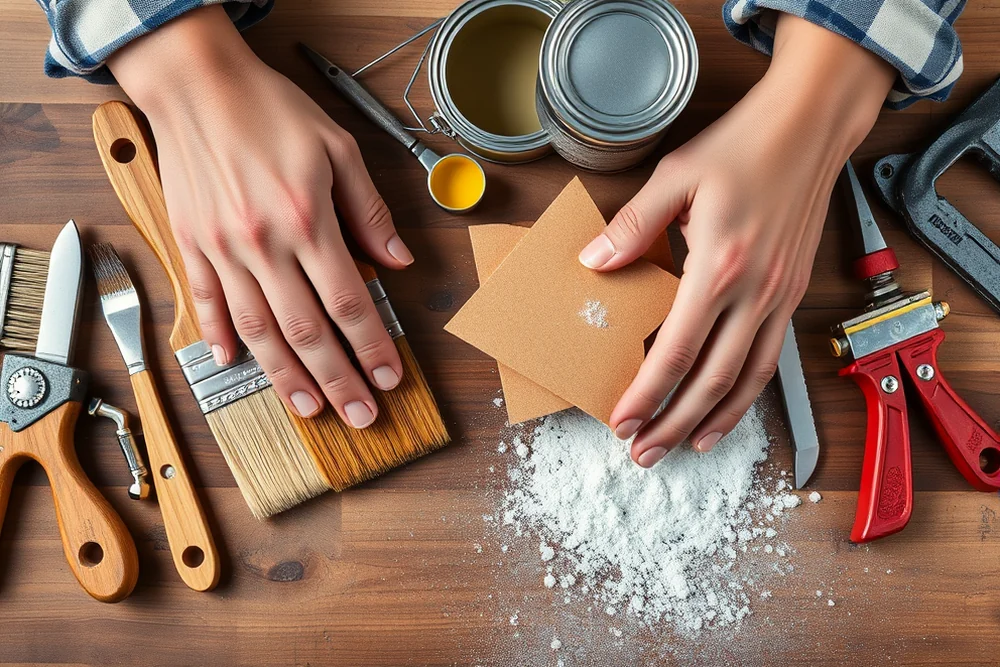
Once you’ve selected the best clear coat for stained wood, the next step is applying it correctly. I always start by cleaning the wood thoroughly with a damp cloth to remove any dust or residue. It’s important to make sure the wood is completely dry before applying the clear coat.
For even coverage, I recommend using a high-quality brush or a spray applicator. I found that a brush gave the best results for furniture with intricate details, while a spray was more efficient for larger surfaces like tables and floors. Either way, it’s important to work in a well-ventilated area.[3]
I always apply the clear coat in thin, even layers. This helps prevent bubbles or streaks and ensures a smooth finish. I’ve found that waiting at least 24 hours between coats is essential for the clear coat to cure properly and bond with the wood.[4]
Related: Best clear coat paint
Maintenance and Longevity of Clear Coats on Stained Furniture
One of the things I’ve learned from using the best clear coat for stained furniture is that proper maintenance is just as important as the application itself. I’ve noticed that furniture with a clear coat tends to show dirt and fingerprints more easily, so regular cleaning is a must.
I recommend using a soft, lint-free cloth to wipe down the furniture weekly. For stubborn stains, I use a mild soap and water solution, making sure to dry the surface thoroughly afterward. It’s important to avoid using harsh chemicals or abrasive cleaners, as these can damage the clear coat over time.
Another tip I’ve found useful is to avoid placing hot items directly on the furniture. I once spilled a hot coffee on a table with a clear coat and, although it didn’t burn the finish, the heat caused some discoloration. To prevent this, I now use coasters or trivets on all surfaces.
⭐ Classic
A timeless finish with a high-gloss sheen, perfect for traditional furniture.
💰 Budget
An affordable option that still provides excellent protection and durability.
⚡ Extra-Fast
A water-based clear coat that dries quickly, ideal for large furniture projects.
✨ Depth
Adds a deep, rich finish that enhances the natural grain of the wood.
🥗 Light
A semi-gloss finish that’s perfect for creating a subtle, elegant look.
| The mistake | Why it happens | The fix |
|---|---|---|
| Applying the clear coat too thickly | Applying the clear coat too thickly can cause bubbles, streaks, and an uneven finish. I once applied a heavy coat of oil-based varnish and ended up with a cloudy, hazy surface that required sanding down and reapplying. | Always apply thin, even coats and allow each coat to dry completely before applying the next. |
| Using the wrong clear coat for the wood type | Using the wrong clear coat for the wood type can lead to poor adhesion and a dull finish. I tested an oil-based varnish on a soft pine table and found that it caused a slight orange peel effect. | Choose a clear coat that is compatible with the wood type and the stain you’re using. |
| Not cleaning the wood before applying the clear coat | Not cleaning the wood before applying the clear coat can cause dust and debris to get trapped under the finish, leading to a cloudy, uneven appearance. I once skipped cleaning the wood and ended up with a hazy, dull finish that required multiple coats to fix. | Always clean the wood thoroughly with a damp cloth before applying the clear coat and make sure it’s completely dry. |
| Applying the clear coat in high humidity | Applying the clear coat in high humidity can cause the finish to take longer to dry and may lead to a cloudy, hazy finish. I once applied a water-based polyurethane in a humid room and had to wait over a week for it to fully cure. | Apply the clear coat in a well-ventilated area with moderate humidity to ensure proper drying and adhesion. |
Materials & Tools tap to check off
- 1 lb Fine-grit sandpaper (220 grit)
- ½ cup Wood conditioner
- Stain (choose your color) to taste
- ½ cup Water-based polyurethane clear coat
- 1 cup Mineral spirits (for cleaning)
- 1 cup Clear wax (optional)
Method tap a step when done
- Sand the furniture with 220-grit sandpaper, ensuring the surface is smooth and even.
- Wipe away any dust with a clean cloth and apply wood conditioner to help the stain penetrate evenly.
- Apply the stain with a brush or cloth, following the wood grain. Allow it to dry completely.
- Once the stain is dry, apply the water-based polyurethane clear coat in thin, even layers, allowing each coat to dry before applying the next.
- If desired, apply a thin layer of clear wax for added protection and a more natural finish.
- Wipe the furniture with mineral spirits to remove any excess wax or residue.
Key Facts
Related: Affordable easiest items to flip for profit
Best Clear Coat For Stained Furniture
Related: Items to flip checklist
Common Questions
best clear coat for stained furniture?
best topcoat for stained furniture?
best clear coat for stained wood?
best clear coat for stained wood stairs?
best clear top coat for stained furniture?
best clear coat for stained wood furniture?
References
- Drying and curing of stains and lacquers used in furniture finishing (academia.edu)
- Chemical and mechanistic aspects of wood finishing: A review ... (bioresources.cnr.ncsu.edu)
- NCR-132 - Purdue University (extension.purdue.edu)
- DOC Section 099300 - Staining and Transparent Finishing (uh.edu)
Cite this guide
Flipper Lane (2026). Best Clear Coat For Stained Furniture. https://flipperlane.com/best-clear-coat-for-stained-furniture/
Feel free to cite or share this guide.