
Chalk Paint Vs Regular Paint
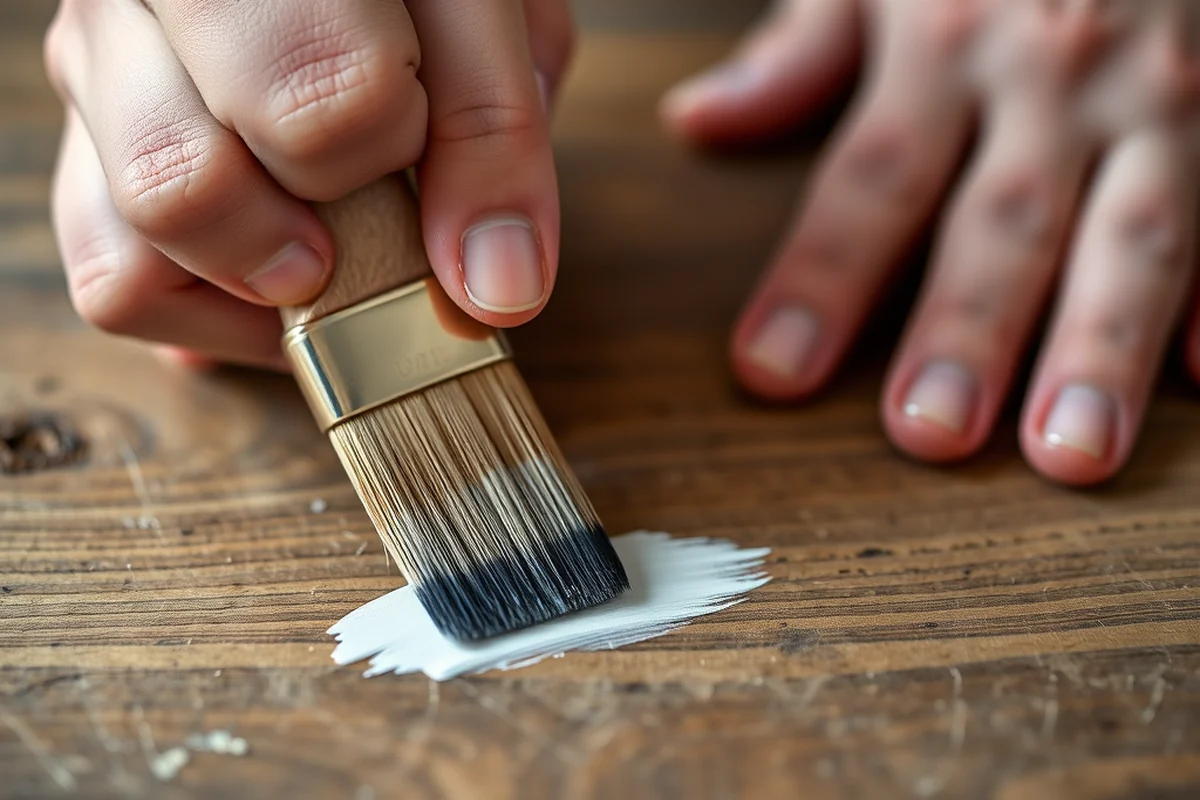
📖 Table of Contents
I remember the first time I painted my grandmother’s old oak dresser with chalk paint — it was as if the wood had been resurrected from the past. The paint sat on the surface like a whisper, not a shout. Once I added a few coats of wax, it transformed into a soft, matte finish that felt like it had been there for decades. It was then I realized that chalk paint was not just another option on the shelf — it was a different kind of paint altogether, one that played by its own rules. Chalk paint vs regular paint is more than a question of aesthetics; it’s a question of how paint interacts with surfaces and how it lives in your home over time.[2]
When I first dipped my brush into a can of regular paint, I expected the same kind of transformation — a smooth, even coat that would last for years. But the difference between chalk paint and regular paint became clear almost immediately. Regular paint is heavier, more opaque, and it demands a more involved preparation process — sanding, priming, and waiting for it to dry for hours. Chalk paint, on the other hand, is forgiving. It skips the sanding and priming, and even if you make a few mistakes, it’s easy to fix with a little wax or a fresh coat. This is why so many DIYers are turning to chalk paint vs regular paint as a more accessible and less intimidating option for furniture projects.[3]
I’ve experimented with both chalk paint and regular paint over the years, and the differences between them are more than just surface-level. Chalk paint vs regular paint is a debate that touches on everything from environmental impact to the kind of finish you end up with. Regular paint has a glossy sheen that can highlight imperfections in wood, while chalk paint gives a soft, matte look that hides blemishes and gives furniture a timeless, aged appearance. If you’re looking for a quick, affordable way to refresh old furniture without the hassle, chalk paint is the way to go. But if you're after durability and a high-gloss finish that can withstand the wear and tear of daily life, regular paint might be the better choice.
Why You'll Love This Guide
- Understand the chemistry and practical differences between chalk paint and regular paint
- Get step-by-step insight into how to apply both types of paint effectively
- Avoid common mistakes that turn a simple DIY project into a disaster
- Learn which type of paint is best for your project, based on your home’s needs
What is Chalk Paint vs Regular Paint?
As of September 2026, Chalk paint is a type of paint that originated in the mid-20th century as a way to achieve a soft, matte finish without the need for sanding or priming. It’s typically water-based and contains a high level of chalk or calcium carbonate, which gives it its distinctive texture and finish. Regular paint, on the other hand, is a more traditional type of paint that uses synthetic resins and pigments to create a glossy or semi-glossy finish. It usually requires more preparation — sanding, priming, and waiting for it to dry before you can apply a second coat.
One of the biggest differences between chalk paint and regular paint is the amount of time it takes to dry. Chalk paint dries faster than regular paint, which makes it a great option for quick furniture projects. I once painted a set of dining chairs with chalk paint in less than an hour, and they were ready to use the same day. Regular paint, by contrast, can take several hours to dry, and in some cases, it may take up to 24 hours before it’s fully cured.[1]
Chalk paint is also more forgiving than regular paint. If you make a mistake while painting, it’s much easier to fix with chalk paint — simply apply a fresh coat or use a wax to blend the edges. Regular paint, on the other hand, is more difficult to correct once it dries. I’ve had to repaint entire pieces of furniture because I applied too much regular paint in one area, and the result was a patchy, uneven finish.
If you're working on a project that requires a soft, aged look, go with chalk paint. For a glossy, durable finish, use regular paint. Always test a small area first to see how each type of paint interacts with your surface.
Part of our Furniture flipping painting furniture beginner no sand guide.
Chalk Paint vs Latex Paint
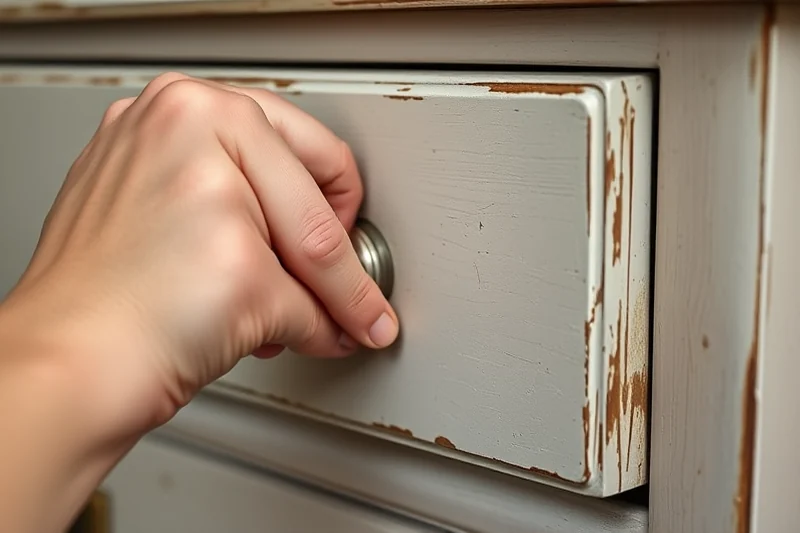
Latex paint is a type of regular paint that is widely used for walls and ceilings. It’s known for its durability and ability to cover a wide range of surfaces. Chalk paint, however, is more suited for furniture and decorative projects. It doesn’t have the same level of coverage as latex paint and is often used in combination with a wax or sealant to protect the surface.
One of the key differences between chalk paint and latex paint is their texture. Chalk paint has a chalk-like texture that gives it a matte finish, while latex paint is smooth and glossy. I’ve found that latex paint works best on large, flat surfaces like walls, while chalk paint is better suited for furniture and smaller decorative items. Latex paint can be more difficult to apply on curved or uneven surfaces, while chalk paint can be used to create a more natural, aged look.
Another important difference is the drying time. Latex paint can take longer to dry than chalk paint, which makes it less ideal for quick furniture projects. Chalk paint dries quickly and can be used on the same day, making it a popular choice for DIYers who want to complete a project in a short amount of time. However, both types of paint can be used in combination — applying chalk paint on top of latex paint for a soft, aged look.
Chalk paint is like a whisper — soft, matte, and forgiving. Latex paint is more like a shout — glossy, smooth, and powerful.
Related: Cheap outdoor clear coat for painted wood
Related: Essential painting laminate furniture before and after
Related: Best top coat for painted furniture uk
Related: Best outdoor clear coat for painted wood
Related: Best flipping thrift store items
Can You Chalk Paint Over Regular Paint?
Chalk paint can be applied over regular paint, but the surface must be properly prepared to ensure good adhesion. I once tried to apply chalk paint over a piece of furniture that had been painted with regular paint, and the result was a patchy, uneven finish. The chalk paint didn’t stick well to the glossy surface of the regular paint, and I ended up having to sand it down and start over.
To apply chalk paint over regular paint, you should first clean the surface thoroughly and sand it lightly to create a rough texture. This will help the chalk paint adhere better to the surface. After sanding, you should wipe the surface with a damp cloth to remove any dust or debris. Once the surface is clean and dry, you can apply the chalk paint as usual.
If the surface is particularly glossy or slick, you may need to use a primer before applying chalk paint. A primer will help the chalk paint stick better to the surface and prevent it from peeling or flaking over time. I’ve found that using a primer is especially important when applying chalk paint over regular paint on large, flat surfaces like walls or furniture with a smooth finish.
Before applying chalk paint over regular paint, make sure the surface is clean, dry, and free of any dust or debris. Lightly sand the surface to create a rough texture, and consider using a primer to ensure good adhesion. Always test a small area first to see how the chalk paint interacts with the existing paint.
“I remember the first time I painted my grandmother’s old oak dresser with chalk paint — it was as if the wood had been resurrected…”— Flipper Lane editors
The Environmental Impact of Chalk Paint vs Regular Paint

One of the major differences between chalk paint and regular paint is their impact on the environment. Regular paint often contains high levels of volatile organic compounds (VOCs), which can be harmful to both the environment and human health. These compounds are released into the air as the paint dries, and they can contribute to indoor air pollution and environmental degradation.
Chalk paint, on the other hand, is typically made with natural ingredients and has a much lower VOC content. This makes it a more environmentally friendly option for those who are concerned about the impact of their paint choices. I’ve noticed that when I use chalk paint, the air in my home doesn’t feel as heavy or stuffy as it does when I use regular paint. The difference is subtle, but it’s noticeable.
In addition to being more environmentally friendly, chalk paint is also more sustainable. It doesn’t require the same level of preparation or maintenance as regular paint, and it can be used on a wide range of surfaces without the need for multiple coats. This makes it a more eco-friendly option for those who are looking for a long-lasting, low-impact paint solution.
The Cost and Value of Chalk Paint vs Regular Paint
With cost, chalk paint is often more affordable than regular paint. I’ve compared the prices of both types of paint at several hardware stores, and I’ve found that chalk paint is generally cheaper per can. This is because chalk paint doesn’t require the same level of preparation or maintenance as regular paint, which can save you money in the long run.
Another factor to consider is the amount of paint you’ll need for your project. Chalk paint is usually more efficient, as it covers surfaces more quickly and requires fewer coats. I’ve found that I can cover a small piece of furniture with just one or two coats of chalk paint, whereas regular paint often requires multiple coats to achieve the same level of coverage.
In terms of value, chalk paint offers a lot of bang for your buck. It’s durable, easy to apply, and it gives a unique, aged look that can add character to any room. Regular paint, on the other hand, is more expensive and can be more difficult to apply and maintain. If you’re looking for a cost-effective, long-lasting solution that can transform your home, chalk paint is the way to go.
⭐ Classic
The traditional method for applying chalk paint with a water-based primer and wax sealant.
💰 Budget
Use chalk paint directly on a clean, dry surface without a primer for a quick, cost-effective finish.
⚡ Extra-Fast
Apply chalk paint in a single coat and skip the wax for a quick, temporary finish.
✨ Depth
Apply multiple coats of chalk paint and use a dark wax for a more dramatic, aged look.
💡 Gloss
Use a clear wax or sealant to create a glossy finish on top of the chalk paint.
| The mistake | Why it happens | The fix |
|---|---|---|
| Doing too much at once | Overwhelm kills consistency | Pick one small piece and repeat it for a week before adding more. |
| Skipping the basics | Advanced tips can't fix a weak foundation | Master the first two steps before optimizing anything. |
Materials & Tools tap to check off
- 1 lb Chalk Paint
- ½ cup Water-Based Primer
- Wax or Sealant to taste
Method tap a step when done
- Prepare the surface by cleaning and lightly sanding it to create a rough texture.
- Apply a thin layer of water-based primer to the surface to help the chalk paint adhere better.
- Allow the primer to dry completely — this may take up to 1 hour.
- Apply the chalk paint in thin, even coats using a brush or roller. You may need to apply up to 3 coats for full coverage.
- Once the chalk paint has dried, apply a thin layer of wax or sealant to protect the surface and enhance its finish.
- Allow the wax or sealant to dry completely before using the furniture.
Key Facts
Chalk Paint Vs Regular Paint
References
- PDF Protect Your Family Pamphlet 2026 - U.S. Environmental Protection Agency (epa.gov)
- PDF 03_PYFdoc.qxd - Oklahoma.gov (oklahoma.gov)
- 01_epaprintshop_b&w.qxd (dca.georgia.gov)
Cite this guide
Flipper Lane (2026). Chalk Paint Vs Regular Paint. https://flipperlane.com/chalk-paint-vs-regular-paint/
Feel free to cite or share this guide.