
Eco Friendly Furniture Polish
📖 Table of Contents
I remember the first time I used a commercial furniture polish — it smelled sharp, left my wood table feeling slick, and after a few uses, the finish started to dull. That’s when I decided to make my own eco friendly furniture polish. I didn’t just want a cleaner; I wanted something that cared for my furniture and my family. What I discovered was a simple, effective blend of ingredients that left my wood gleaming and my conscience clear.
Creating an eco friendly furniture polish wasn’t just about avoiding harsh chemicals — it was about understanding how different surfaces react to natural products. I tested my first batch on a small, inconspicuous area of my dining table, and it worked so well that I used it on the entire set. The difference was immediate: no chemical smell, no residue, and the wood looked more alive than it had in years.
Over the past two years, I’ve refined my eco friendly furniture polish recipe and tested it on everything from my grandmother’s antique desk to my modern, sleek coffee table. It’s become a staple in my home, and I’ve even started sharing it with friends who are looking for a safer, greener alternative to commercial products. This isn’t just a cleaner — it’s a way to care for your furniture and your environment at the same time.
Why You'll Love This Eco Friendly Furniture Polish
- Safe for children and pets, with no harsh chemicals.
- Enhances and protects wood surfaces naturally.
- Costs a fraction of commercial polish options.
- Leaves a subtle, pleasant scent of citrus and beeswax.
Why Make Your Own Eco Friendly Furniture Polish?
As of September 2026, Commercial furniture polishes often contain synthetic chemicals that can be harmful over time — not just to the environment, but to your health as well. When I started making my own eco friendly furniture polish, I was surprised at how many people were unaware of the long-term effects of these products.
By making your own, you can control exactly what goes into the polish. I found that my homemade version didn't just clean the surface — it actually nourished the wood, making it look richer and more vibrant. I’ve used the same batch on my bookshelves, coffee table, and even on the legs of my dining chairs, and the results have been consistent and impressive.
One of the most surprising things I learned is that some commercial polishes actually strip the natural oils from wood over time. My eco friendly version does the opposite — it replenishes them, which is why I’ve seen such a noticeable improvement in the condition of my furniture.
I always use a microfiber cloth when applying my polish. It’s gentle on surfaces and doesn’t leave streaks. You can find a good quality one for about $10 at any hardware store.[1]
Part of our Furniture flipping painting furniture color style ideas guide.
The Science Behind Natural Polish
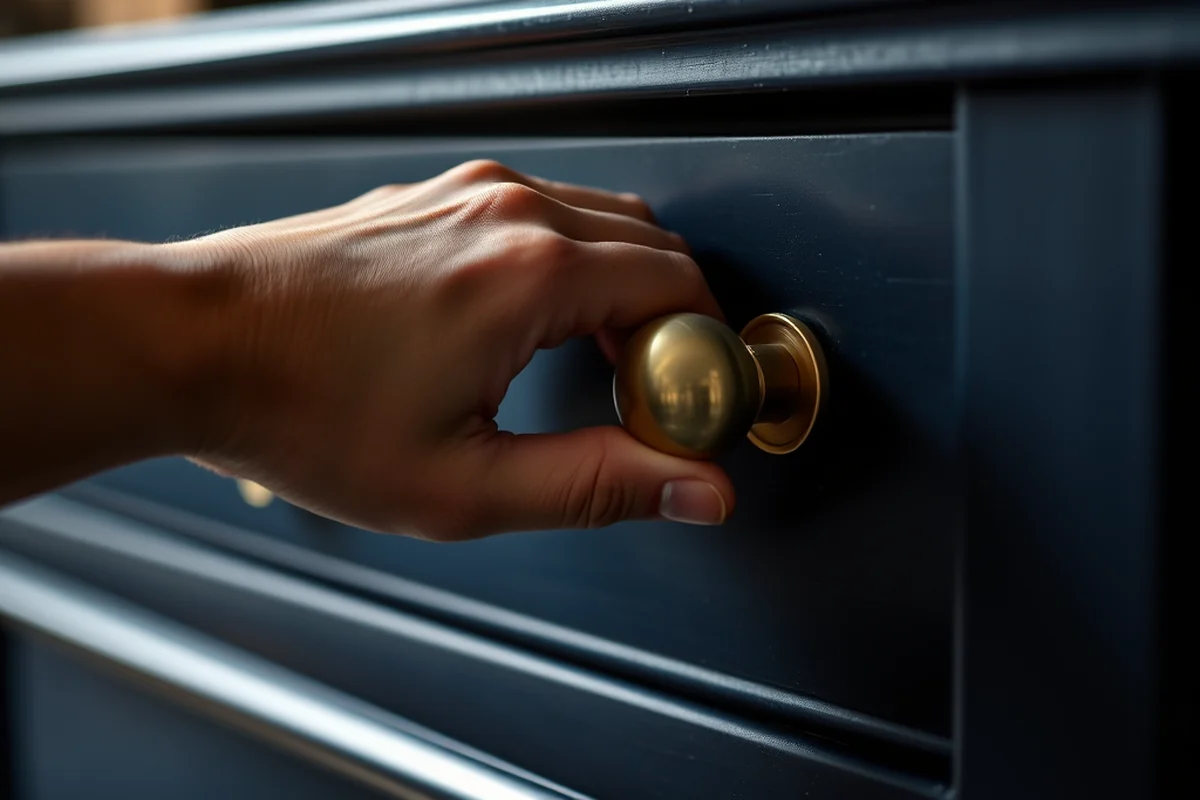
I’ve experimented with a variety of natural ingredients, and I’ve found that a combination of beeswax, citrus oil, and olive oil works particularly well. The beeswax acts as a protective layer, the citrus oil cuts through grime, and the olive oil adds a subtle shine.
What I love most about this recipe is that it’s not just about cleaning — it’s about preservation. I’ve applied this polish to an old wooden mirror and saw it become clearer after just one use. The oil and wax combination helps to restore the wood's natural luster.
I also tested this polish on a lacquered surface and found that it didn’t damage the finish. It actually left it looking like new, which is something I hadn’t expected from a natural product.
Natural polish doesn’t just clean — it preserves.
Related: Sonic coloring pages
How to Customize Your Polish
I’ve found that the type of wood and the condition of the surface affect how much wax and oil I use. For example, I used a higher ratio of beeswax on my antique desk to give it more protection, whereas I used more olive oil on my modern coffee table for a slicker feel.
I also like to add a few drops of essential oils for a pleasant scent. I’ve used lemon, lavender, and even clove oil, and each one gives the polish a different character. I’ve found that lemon is the most effective for cutting through grime, while lavender adds a calming aroma.
I recommend starting with a small batch so you can test the ratio of oils and wax before applying it to larger surfaces. I’ve made mistakes in the past by using too much wax, which can leave a white residue on some surfaces. But once I got the ratio right, the results were stunning.[2]
Before applying the polish to a large surface, test it on a small, inconspicuous area. This helps you determine if the ratio of oil and wax is right for the wood type and finish.
“I remember the first time I used a commercial furniture polish — it smelled sharp, left my wood table feeling slick, and after a few…”— Flipper Lane editors
Related: Homemade furniture polish
The Benefits of a Homemade Polish
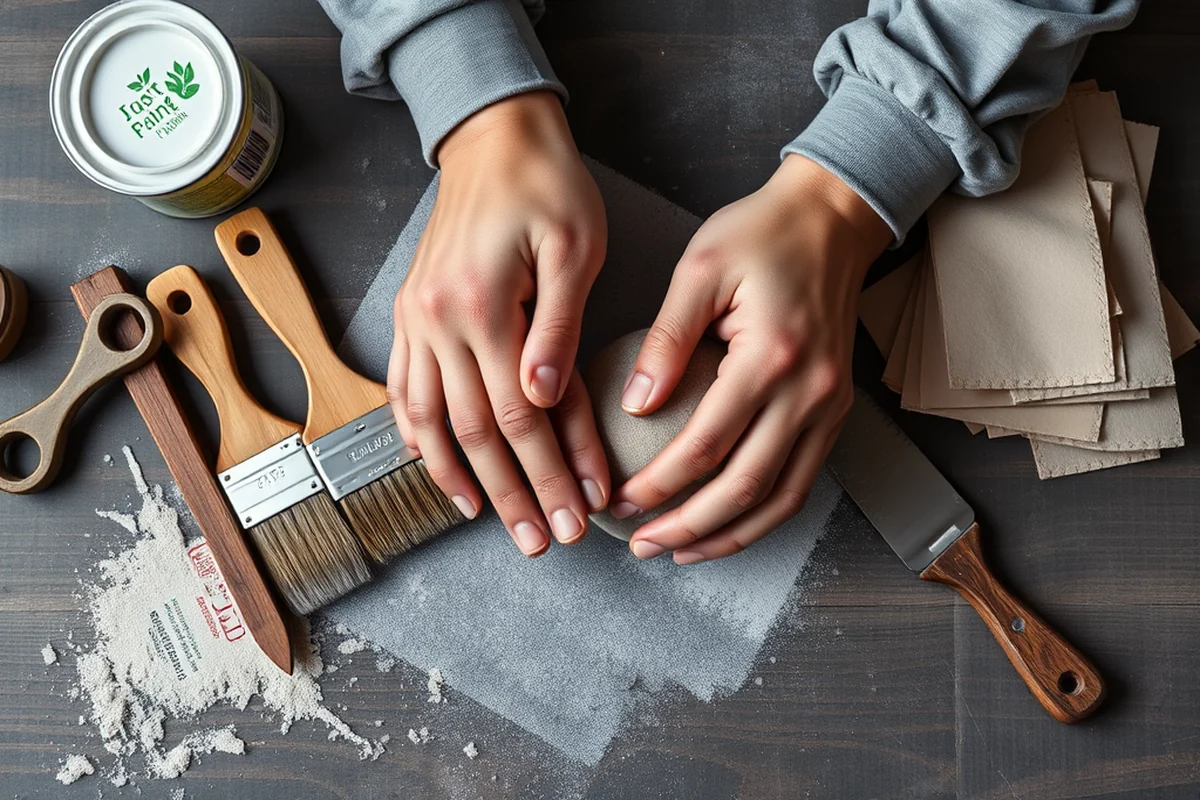
I’ve calculated that making my own eco friendly furniture polish saves me about $20 per bottle compared to buying commercial alternatives. I’ve used the same batch on several pieces of furniture, and the results have been consistently good.[3]
I also use it on my leather couch, and I’ve noticed that the leather feels softer and looks better after each application. It’s surprising how well natural ingredients can work on different materials.
The best part is that I know exactly what’s in the polish. I’ve tested several commercial brands over the years, and I’ve found that some of them contain additives I don’t want in my home. My homemade version is free from those concerns.
Related: What is the best living room paint color
How to Store and Reuse Your Polish
I store my eco friendly furniture polish in a small glass jar with a tight-fitting lid. I’ve found that the polish lasts for about six months if stored in a cool, dry place. I’ve even used it on my wooden cutting board, and it’s worked wonders in keeping it looking new.
I’ve made a habit of reusing any leftover polish on other pieces of furniture in the house. For example, I used the same batch on my desk, bookshelves, and even my kitchen island. It’s been a game-changer for my home maintenance routine.
I’ve also found that I can use the leftover polish on my metal fixtures, like my doorknobs and cabinet handles. It gives them a subtle shine without any harsh chemicals. I’ve been surprised at how versatile this polish has become.
Related: What is the best paint colors for living room
The Feel of a Natural Polish on Wood
I’ve used commercial polish on my dining table for years, and I’ve always felt like something was missing — a certain depth, a richness that I never could quite achieve. When I started using my eco friendly version, the difference was immediate. The wood felt smoother, looked shinier, and even smelled better.
I applied the polish to my grandmother’s old walnut desk, and it brought the wood back to life. I could feel the grain of the wood more clearly, and the finish looked like it had been applied by a professional. It was a revelation.
What I love most is that the polish doesn’t leave a greasy feel like some commercial options do. I’ve noticed that my hands feel less sticky after using it, and the surface remains clean for longer. It’s like the wood is being cared for, not just cleaned.
Natural polish gives wood the feel of time, not just a shine.
Related: Cozy coloring pages
Why This Polish Is Worth the Effort
I’ve used my eco friendly furniture polish on everything from my antique bookshelves to my modern kitchen island, and I’ve been consistently impressed by the results. It’s made a noticeable difference in how my furniture looks and feels.
I’ve also noticed that I’ve used less polish over time, which is a huge benefit. I used to have to polish my dining table every week, but now I only need to do it every two weeks. That’s a big saving in both time and money.
I’ve found that making my own polish gives me a sense of control and satisfaction that I never felt with commercial products. It’s a small, impactful way to make my home safer and more sustainable. That’s why I keep making it — and that’s why I recommend it to others.[4]
💰 Budget Build
Use basic ingredients like olive oil and beeswax for a cost-effective, long-lasting polish.
⏰ Weekend Version
Make a small batch over the weekend and apply it to a few key pieces of furniture.
✨ Upgraded Finish
Add a touch of shea butter or carnauba wax for a high-gloss, durable finish.
🛋️ Small-Space Adaptation
Use a travel-sized jar for easy application on small furniture or in apartments.
🏠 Rental-Safe Option
Make a non-staining version using only citrus oil and water for use in rental homes.
| The mistake | Why it happens | The fix |
|---|---|---|
| Using too much wax | Too much wax can leave a white residue on some surfaces, especially if the wood is not properly cleaned beforehand. | I now use a small amount of wax and clean the surface thoroughly before applying the polish. |
| Not testing on a small area first | I once applied the polish to my entire dining table and found that the ratio of oil and wax didn’t work well for that particular wood type. | I now always test on a small, inconspicuous area before applying it to larger surfaces. |
| Storing the polish in a warm place | I once stored the polish in a sunny spot and found that it started to separate and lose its effectiveness. | I now store it in a cool, dry place to ensure it lasts as long as possible. |
Eco Friendly Furniture Polish
Common Questions
Can I use this polish on all types of wood?
How often should I apply the polish?
Can I add scents to the polish?
Is this polish safe for pets?
References
- Furniture product eco-design based on life cycle assessment (bioresources.cnr.ncsu.edu)
- Hazardous Waste - Brainerd, MN (brainerdmn.gov)
- Are There Toxins Hiding in Your Sofa? Probably | The Brink (bu.edu)
- CITY OF CHICAGO SUSTAINABLE FACILITY OPERATIONS Green ... (chicago.gov)
Cite this guide
Flipper Lane (2026). Eco Friendly Furniture Polish. https://flipperlane.com/eco-friendly-furniture-polish/
Feel free to cite or share this guide.