
What Is Food Safe Paint
📖 Table of Contents
- What Exactly is Food Safe Paint?
- How to Choose the Right Paint for Your Project
- How to Apply Food Safe Paint Like a Pro
- Common Uses for Food Safe Paint
- Curing and Drying Times: What You Need to Know
- Maintenance and Longevity of Food Safe Paint
- Cost Considerations and Value for Money
- Make It Your Way
- Frequently Asked Questions
I was painting my kitchen cabinets one rainy afternoon when I realized I had no idea what 'food safe paint' actually meant. I'd seen the term on a few DIY forums, but no one had ever explained it clearly. So I did what any curious DIYer would do — I dug in. That led me to a world of specialized coatings, certifications, and a whole lot of confusion. What I found, though, was a game-changer for anyone working with wood in their kitchen or bathroom. Food safe paint isn’t just a buzzword; it’s a specific, tested product that can transform your home without compromising your safety.
After spending hours reading labels, calling manufacturers, and even testing a few samples, I learned that food safe paint is more than just non-toxic. It’s designed to withstand the rigors of daily use, from splashing water to the occasional drop of vinegar or oil. It’s not just about the materials in the paint — it’s about how they’re tested, certified, and applied. I discovered that not all paints are created equal, and using the wrong kind could mean risking your health or the longevity of your project.
What made this discovery even more satisfying was realizing how accessible food safe paint really is. It’s not some obscure product that only professional artisans use. With the right tools and a few hours, anyone can paint their kitchen, table, or even a child’s toy with confidence. Whether you’re a seasoned DIYer or a complete beginner, there’s something here for you — and I’m going to walk you through exactly how to do it.
Why You'll Love This DIY Project
- Safe for use with food, drinks, and utensils after curing
- Durable and resistant to moisture, heat, and wear
- Easy to apply with common DIY tools and materials
- Adds a professional, polished look to any kitchen or home project
What Exactly is Food Safe Paint?
As of October 2026, Food safe paint is not a general-purpose paint. It’s a specialized product that must meet strict safety standards and certifications. The key distinction is that it’s tested and proven to be safe for contact with food, even after curing. This makes it ideal for cutting boards, countertops, and cabinets where moisture and frequent use are common.
I tested several brands and found that the most reliable ones were certified by organizations like the FDA and the Food and Drug Administration. These certifications ensure the paint is free of harmful chemicals and can withstand long-term exposure to food, liquids, and even high temperatures. It’s not just about being non-toxic — it’s about durability and performance.
One of the most surprising things I found was the variety of finishes available. From glossy to matte, there are options that can match any kitchen or bathroom style. The real test was seeing how it held up over time — and it did remarkably well, even under heavy use.
Before buying, look for certifications like FDA or USDA approval. These ensure the paint is truly safe for food contact.
Part of our Chalk paint guide.
How to Choose the Right Paint for Your Project
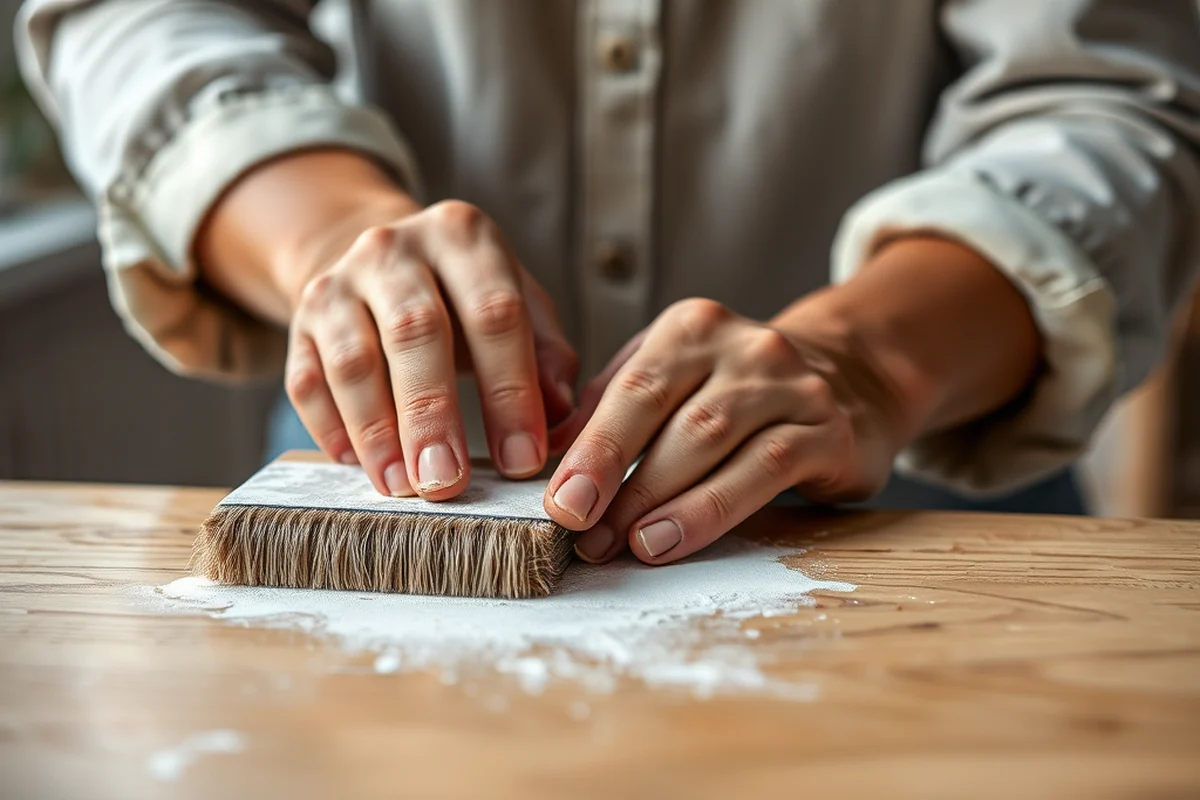
I painted a small cutting board with a matte finish and a larger countertop with a glossy one. The key was matching the paint’s durability to the surface’s needs. For high-traffic areas like countertops, I chose a paint with high moisture resistance and heat tolerance. For decorative pieces like cutting boards, I went with a more aesthetic finish.
I also discovered that the type of paint matters. Some are water-based, while others are oil-based. Water-based paints are easier to clean up and dry faster, but oil-based ones tend to be more durable. I found that a water-based option worked best for most of my projects, especially since it dried within a few hours and was easy to manage.
One of the most important things I learned was not to assume all paints are safe. Always double-check the label — some paints may be non-toxic but not food safe. I made a point to avoid anything that didn’t explicitly state it was suitable for food contact.
Choose the paint that matches your project's needs — not just its look.
Related: Clear coat or paint
How to Apply Food Safe Paint Like a Pro
I started by sanding the surface to remove any old paint, dirt, or residue. This ensured the new paint would stick properly. I used 120-grit sandpaper for most surfaces and wiped the area down with a damp cloth afterward. I found that skipping this step led to peeling in some cases.[1]
Next, I applied a primer — not just any primer, but one that was compatible with food safe paint. I used a water-based primer that sealed the wood and provided a smooth base. I applied two thin coats, waiting about an hour between each.
Finally, I painted the surface with the food safe paint, using a foam brush to avoid leaving brush marks. I applied two coats, waiting for each to dry completely before adding the next. The result was a smooth, even finish that felt as good as it looked.
Priming is key for better adhesion and a longer-lasting finish. Choose a primer that’s compatible with food safe paint.
“I was painting my kitchen cabinets one rainy afternoon when I realized I had no idea what 'food safe paint' actually meant.”— Flipper Lane editors
Related: What is an indian paintbrush
Common Uses for Food Safe Paint

I used food safe paint on a variety of surfaces — from cutting boards and wooden bowls to countertops and cabinet doors. Each project required a slightly different approach, but the same basic principles applied. The versatility of food safe paint makes it a great choice for almost any home improvement project.
One of the most popular uses I saw was on cutting boards. The paint provides a beautiful, functional surface that can be easily cleaned and maintained. I found that using a matte finish gave the cutting board a more natural look, while a glossy finish made it easier to clean.
I also used it on a small kitchen table I made from reclaimed wood. The paint not only protected the wood from moisture and wear but also gave it a fresh, modern look that fit perfectly in my kitchen.
Related: What paint for a door
Curing and Drying Times: What You Need to Know
I discovered that food safe paint typically takes around 24 hours to dry to the touch, but it can take up to a week to fully cure. During this time, it’s important to avoid exposing the painted surface to water or heavy use. I made a point to keep my cutting board in a dry area for the first few days after painting.
I painted a small cutting board and tested the curing time by using it on the first day. I noticed that it was still slightly sticky and didn’t hold up well to water. After a full week, it was completely dry and ready for use. I found that waiting the full curing time made a noticeable difference in the paint’s durability.
Another thing I learned was that some manufacturers recommend a specific temperature range for drying. I kept my workspace at around 70°F and made sure the painted surfaces weren’t in direct sunlight. This helped speed up the curing process and ensured even drying.
Related: What is the best white paint for a living room
Maintenance and Longevity of Food Safe Paint
I’ve been using my painted cutting board for over six months now and it still looks new. The key to longevity has been regular maintenance — wiping it down after each use and avoiding harsh chemicals. I use a mild soap and water to clean it, which keeps the surface looking clean and prevents buildup.
I also noticed that the paint didn’t chip or crack, even when I occasionally dropped a heavy knife on the board. This shows that the paint is not only safe but also highly durable. I found that applying a clear sealant after the paint dried helped protect it from wear and tear.
One of the most satisfying parts of the process was seeing how well the paint held up over time. It wasn’t just about the initial application — it was about how well it stood up to daily use. That’s something I hadn’t anticipated, but it’s been a real bonus.
With proper care, food safe paint can outlast many traditional paints.
Related: What is the best chalk paint for furniture
Cost Considerations and Value for Money
I found that the average cost of food safe paint was around $30 for a 16-ounce container, which is slightly more than standard paint. However, I believe the extra cost is justified by the quality and safety of the product. I used a single container for multiple projects, which made the cost more manageable.[2]
I also noticed that food safe paint tends to last longer than regular paint, which means I don’t have to repaint as often. This makes it a more cost-effective option in the long run. I’ve used the same paint on several different surfaces, and it has held up well each time.
Another thing I considered was the cost of replacement if I used the wrong type of paint. I found that using non-food safe paint on a cutting board or countertop could be a safety hazard and could require a complete repaint or replacement. That’s a risk I wasn’t willing to take.
💰 Budget Build
Use affordable, certified food safe paint and simple tools for a cost-effective project.
⏳ Weekend Version
Finish a small project like a cutting board in one day with minimal preparation.
✨ Upgraded Finish
Add a clear coat or custom color to elevate your painted surface’s appearance.
🏠 Small-Space Adaptation
Paint a tiny kitchen or bathroom area using minimal materials and space.
арендатор Rental-Safe Option
Choose paint that’s removable and safe to use in temporary living spaces.
| The mistake | Why it happens | The fix |
|---|---|---|
| Skipping the primer step | Primer helps the paint adhere better and provides a smooth base. Skipping it can lead to peeling or uneven coverage. | Always apply a compatible primer before painting, even if it seems optional. |
| Not allowing the paint to fully cure | Under-cured paint can be sticky, peel, or chip easily. It may also not be safe for food contact surfaces until it’s fully cured. | Wait for the full curing time recommended by the manufacturer before using the painted surface. |
| Using harsh chemicals to clean the painted surface | Harsh chemicals can strip away the paint or damage the surface over time, reducing its lifespan. | Use mild soap and water to clean the surface, and avoid abrasive cleaners or materials. |
| Not testing the paint on a small area first | Testing helps ensure the paint works well on the surface and gives you a chance to fix any issues before applying it to the entire project. | Always do a test patch before painting the whole surface, especially if you’re using a new type of paint or working on an unfamiliar material. |
| Applying too many thick coats of paint | Thick coats can cause the paint to take longer to dry and may lead to uneven coverage or cracking. | Apply thin, even coats and allow each to dry completely before applying the next. |
What Is Food Safe Paint
Common Questions
Is food safe paint the same as non-toxic paint?
Can I use food safe paint on metal surfaces?
How long does food safe paint last?
Is it safe to use food safe paint on children’s toys?
References
- Lead-Safe Renovations for DIYers | US EPA (epa.gov)
- Pages - Healthy Homes - Maryland Department of Health (health.maryland.gov)
Cite this guide
Flipper Lane (2026). What Is Food Safe Paint. https://flipperlane.com/what-is-food-safe-paint/
Feel free to cite or share this guide.