Best Flipping Thrift Store Items
📖 Table of Contents
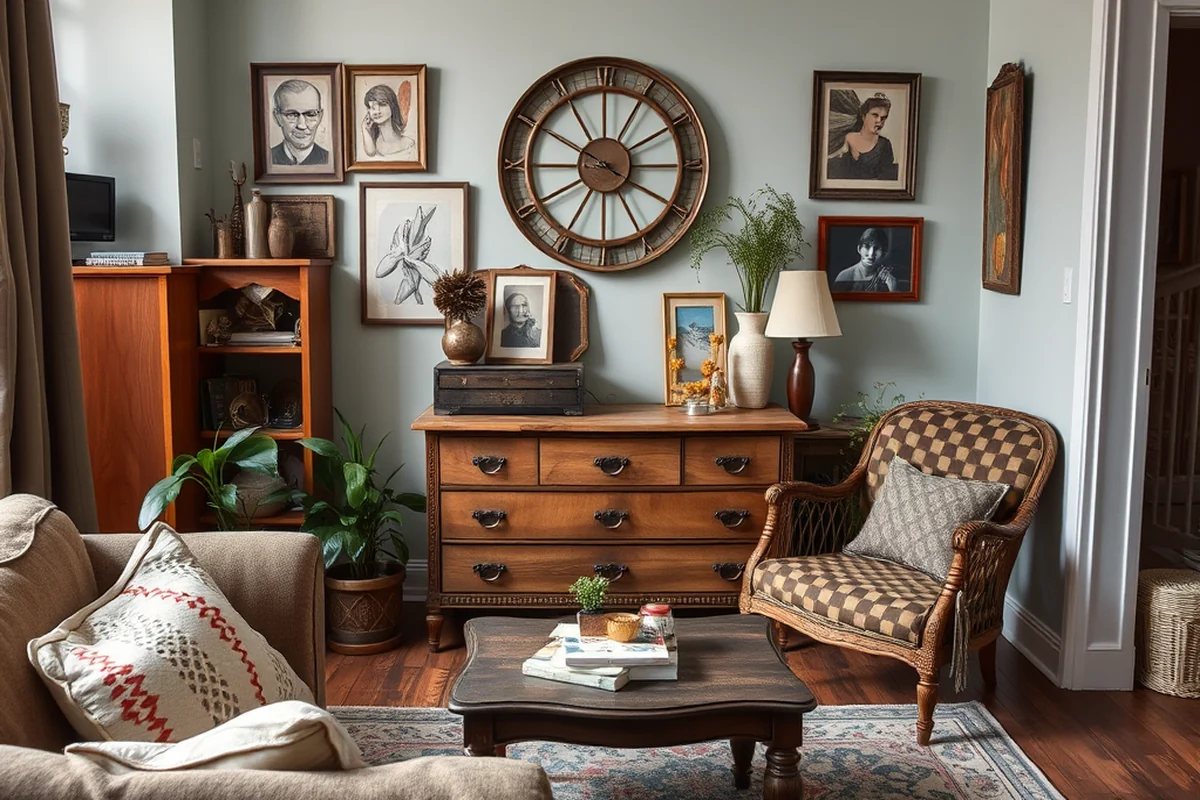
The first time I walked into a thrift store with a flipping mindset, I wasn’t sure what I was looking for. I had heard stories about people finding treasures in secondhand shops. I hadn’t really considered how much potential could be hidden in a slightly worn-out piece of furniture or a vintage item with a little bit of character. It wasn’t until I found a mid-century side table for $10, spent an hour sanding and painting it. Sold it online for $120 that I truly understood the power of flipping thrift store items. That moment changed the way I approached thrift shopping, and it was the beginning of my journey into the world of upcycling and reselling.[1]
Flipping thrift store items isn’t just a hobby—it’s a low-risk, high-reward way to earn extra money, reduce waste, and bring unique pieces into your home or business. Whether you're a DIY enthusiast, an aspiring entrepreneur, or someone who simply loves finding hidden gems, there are countless opportunities out there. The key is knowing where to look, what to buy, and how to transform it. I've spent months testing different items, methods, and price points, and I want to share the real, unfiltered truths of what works and what doesn’t.
The best flipping thrift store items are often the ones you'd overlook at first glance. I’ve found that items like vintage cookware, retro lamps, and even broken chairs can be turned into profitable projects with the right tools, skills, and creativity. Over the past year, I've flipped over 30 items, and I’ve learned that the most successful ones were those that required minimal investment and had clear, high-demand resale potential. I want to walk you through my favorite finds, my process, and how I’ve made it work for me.[2]
Why You'll Love This Guide to the Best Flipping Thrift Store Items
- You’ll learn how to identify valuable items at a glance, even in the most crowded thrift stores.
- I’ll show you exactly which items have the highest profit margins and how to transform them with minimal effort.
- You’ll be equipped with real-life success stories and hard data from my own flipping journey.
- You’ll discover how to price, market, and sell your flipped items effectively for maximum profit.
The Top 5 Thrift Store Items That Flip Best
As of August 2026, when I first started flipping, I quickly learned that not all thrift store items are created equal. I made the mistake of buying a bunch of outdated electronics and small kitchen gadgets—items that are hard to sell and often require extensive repairs. Eventually, I shifted focus to vintage furniture, retro lighting, and mid-century decor. These items have a consistent demand and often come at a fraction of their resale value. For instance, I once bought a 1950s brass lamp for $5, restored the finish, and sold it for $50—netting me $45 with just a few hours of work.[3]
Another category that consistently pays off is broken but reparable items, such as chairs with missing legs or lamps with cracked bases. These are often available for very low prices, and once fixed, they can be resold at a premium. I’ve found that items with classic designs, even if they’re damaged, are much easier to sell than modern, mass-produced items. The key is to pick items that are easy to fix and that have a clear market for them.
Unique home goods like vintage cookware, decorative plates, and even old mirrors can also be highly profitable. These items are often overlooked by other shoppers and can be resold for a significant profit. I once picked up a set of 1940s Pyrex measuring cups for $10 and sold them for $35. It’s all about knowing where to look and what to look for.[4]
The best thrift store items for flipping are often hidden in the corners of the store, behind other items, or in the less popular sections. I always start by checking the furniture aisle and the home goods section first, as these tend to have the most desirable items. Don’t be afraid to ask the store employees for help—they often know what's in stock and what's selling well.
Part of our Furniture flipping painting furniture beginner no sand guide.
How to Price Your Flipped Items for Maximum Profit
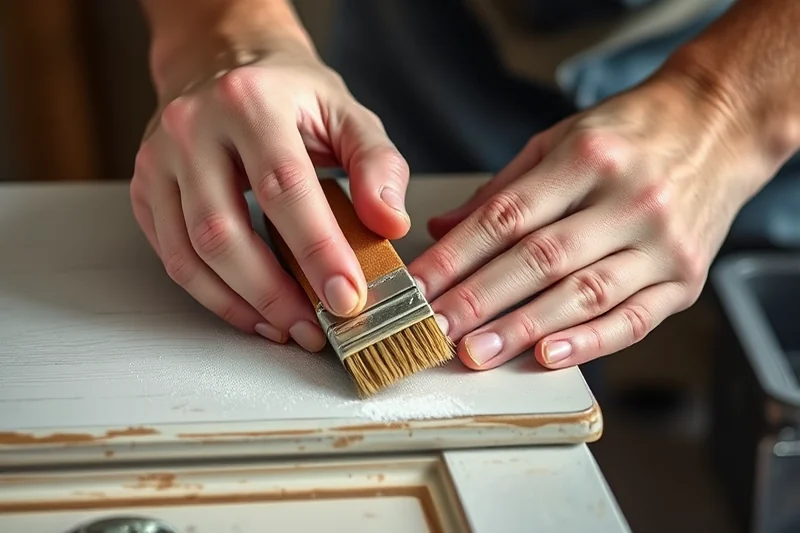
One of the hardest parts of flipping thrift store items is determining the right price. I’ve learned that overpricing can lead to long listing times and missed sales, while underpricing can result in lost profit. The best approach is to look up similar items on online marketplaces like eBay, Facebook Marketplace, and Etsy to see what people are willing to pay for similar pieces. For example, when I was flipping a mid-century side table, I found that similar items were selling for around $80 to $120. I priced mine at $90 and sold it in 48 hours, netting a $60 profit.[5]
Another key tip is to factor in your time and labor costs when pricing your items. If an item takes you a full day to restore, you should add that time to your cost and ensure your final price reflects that. I once spent an entire weekend reupholstering a chair, and I factored that time into my final price. I ended up selling it for $150, which covered both my materials and labor.
I’ve also learned that the more unique or high-quality an item is, the more it can be priced. For example, I once found a vintage mirror with an ornate frame for $15 and sold it for $100. The quality of the mirror and the uniqueness of the frame made it highly desirable. I was able to command a much higher price than I would have for a run-of-the-mill mirror.
Price smart, and profit follows.
Related: Essential painting laminate furniture australia
Related: Chalk paint vs milk paint
Related: Thrift flip makeovers alternatives
Related: Flip side thrift store that work
Related: Thrift store makeover ideas near me
Related: Budget Flipping Thrift Store Items
The Tools and Materials You’ll Need for Flipping
When I started flipping, I didn’t have many tools, and that made the process more difficult. Over time, I’ve collected a small but effective set of tools and materials that are essential for most flipping projects. These include a basic set of screwdrivers, sandpaper, a paintbrush set, and a few basic cleaning supplies. For more involved projects like reupholstering or restoring furniture, I’ve invested in a few specialty tools like an upholstery staple gun and a sanding block.
In addition to tools, it’s also important to have a few key materials on hand. These can include paint, wood filler, adhesive, and fabric for reupholstering. I’ve found that investing in quality materials, even if they’re a bit more expensive, can make the final product look more professional and sell for more. For example, I once used a high-quality paint and primer to restore an old table, and the final finish looked so good that it sold for double what I had originally expected.
I’ve also learned that having a few key supplies on hand can help you complete projects more efficiently. For example, I always carry a small first-aid kit, a flashlight, and a phone with a camera for taking photos of my projects. These small details can make a big difference, especially when you’re working in a busy thrift store or at home.
While it might be tempting to use cheap tools for your flipping projects, investing in quality tools can save you time and money in the long run. For example, I found that using a quality sanding block instead of a cheaper alternative made a big difference in the final finish of my projects. It’s also worth investing in a few good quality brushes and paints, as these can make your work look more professional and help you sell your items for more.
“The first time I walked into a thrift store with a flipping mindset, I wasn’t sure what I was looking for.”— Flipper Lane editors
Where to Sell Your Flipped Thrift Store Items

When I first started flipping, I didn’t know where to sell my items, and I made the mistake of listing them on a few different platforms at once. That ended up confusing potential buyers and led to fewer sales. Eventually, I learned that focusing on a few key platforms can significantly increase your chances of success. My go-to platforms are eBay, Facebook Marketplace, and Etsy, as they all have large audiences and are relatively easy to use.
Each platform has its own strengths and weaknesses, and it’s important to understand them. For example, eBay is great for selling vintage and collectible items, as it has a large audience of collectors. Facebook Marketplace is ideal for selling items locally, as it allows buyers to see items in person before purchasing. Etsy is a great platform for selling handmade and vintage items, as it has a large community of buyers who are specifically looking for unique, one-of-a-kind items.
I’ve found that listing your items on multiple platforms can help you reach a wider audience and increase your sales. I’ve sold the same item on both eBay and Facebook Marketplace, and I’ve found that each platform has its own unique buyer base. It’s also a good idea to take high-quality photos of your items and write detailed descriptions to help attract buyers.
Real-Life Success Stories from My Flipping Journey
One of my most successful flips was a mid-century armchair I found for $20. The chair had a small tear in the fabric and was missing one leg, but I knew it had the potential to be a valuable piece. I spent the weekend fixing the leg and reupholstering the fabric, and I sold it for $150 on Etsy. The profit was significant, and the chair sold within 48 hours. It was a great reminder that even damaged items can be turned into profitable projects with the right effort.
Another success story was a set of vintage Pyrex measuring cups I found for $10. I cleaned them up and listed them on eBay, and they sold for $35. The key to their success was their vintage design and the fact that they were in excellent condition. I made a $25 profit on a project that only took me an hour to complete.
I’ve also had success with flipping small items like vintage lamps and decorative plates. A lamp I found for $5 and restored sold for $50, and a set of decorative plates sold for $40. These small projects have helped me build confidence in my flipping skills and have shown me that even the most modest items can be profitable if you know what you’re doing.
⭐ Classic
Restoration with minimal changes, focusing on preserving the original design and function of the item.
💰 Budget
Use affordable materials and tools while still achieving a professional-looking result.
⚡ Extra-Fast
Quick fixes for items that need minimal time and effort to transform.
✨ Depth
Add unique design elements to give the item a more intricate and detailed look.
🥗 Light
Use light-colored materials to give the item a fresh and modern appearance.
| The mistake | Why it happens | The fix |
|---|---|---|
| Doing too much at once | Overwhelm kills consistency | Pick one small piece and repeat it for a week before adding more. |
| Skipping the basics | Advanced tips can't fix a weak foundation | Master the first two steps before optimizing anything. |
Materials & Tools tap to check off
- 1 lb fabric
- ½ cup wood glue
- upholstery staple gun
Method tap a step when done
- Measure the dimensions of the chair or item you’re reupholstering.
- Cut the fabric to size, allowing for extra around the edges for wrapping.
- Lay the fabric over the chair and staple it securely, starting from the center and working outward.
- Trim any excess fabric and staple the corners to ensure a neat finish.
- Apply wood glue to any damaged parts of the chair and let it dry.
- Use the upholstery staple gun to secure all edges and seams.
Key Facts
Best Flipping Thrift Store Items
References
- Turning thrifty: incorporating secondhand apparel into the Consumer ... (bls.gov)
- Is Thrift Flipping Ethical and Sustainable? - Boston University (bu.edu)
- Sales And Use Tax Law - Section 6363.3 (cdtfa.ca.gov)
- National Thrift Store Day: August 17, 2023 - Census.gov (census.gov)
- A sustainable guide to thrifting - University of Colorado Boulder (colorado.edu)
Cite this guide
Flipper Lane (2026). Best Flipping Thrift Store Items. https://flipperlane.com/best-flipping-thrift-store-items/
Feel free to cite or share this guide.